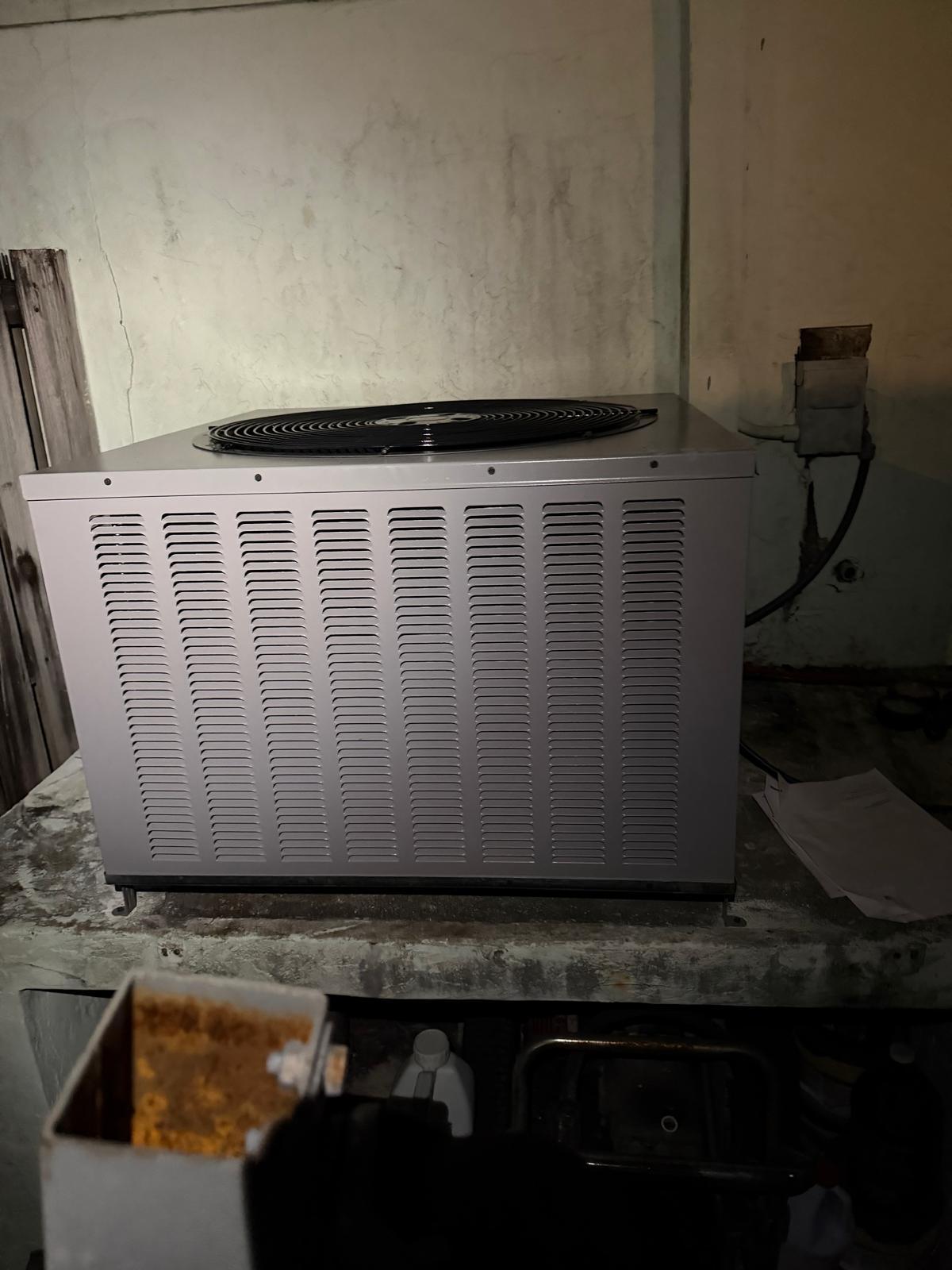
When Your Cool Comfort Flees: Why Your AC Keeps Tripping Your Breaker in Hollywood, FL
Did you know that in places like Hollywood, FL, where average summer temperatures often soar into the high 80s and 90s with significant humidity, your air conditioner can account for up to 70% of your home’s electricity usage during peak demand? That’s a massive workload! So, when your AC suddenly decides to play hide-and-seek with your home’s circuit breaker, repeatedly plunging your living room into uncomfortable warmth, it’s not just an inconvenience – it’s a distress signal from your vital cooling system. We at Airus Air Services understand that sinking feeling of dread, especially when the South Florida sun is blazing. Let’s unravel this common yet frustrating problem, focusing on why your AC might be tripping its breaker and what practical steps you can take to restore your cool haven.
Before: Understanding the Problem – Why Your Breaker Trips
A circuit breaker is designed as a safety device. Its primary job is to interrupt the flow of electricity when it detects an overload or a short circuit, preventing damage to your electrical system and, more importantly, mitigating fire hazards. When your AC trips a breaker, it’s typically because one of two things is happening: either the AC unit is drawing too much current (an overload), or there’s an electrical fault within the system.
Common Causes of AC Overload or Faults:
- Dirty Air Filters: This is surprisingly common. A clogged air filter restricts airflow, forcing your AC unit to work harder to pull air through. This increased effort leads to higher energy consumption, which can push your system past its electrical limits. Think of it like trying to breathe through a thick cloth – you have to exert more effort.
- Low Refrigerant Levels: Refrigerant is the lifeblood of your AC, absorbing heat from your home. If levels are low due to a leak, your compressor has to run longer and work much harder to achieve the desired cooling. This excessive strain can cause it to draw more power, leading to a tripped breaker.
- Frozen Evaporator Coil: Often a consequence of low refrigerant or restricted