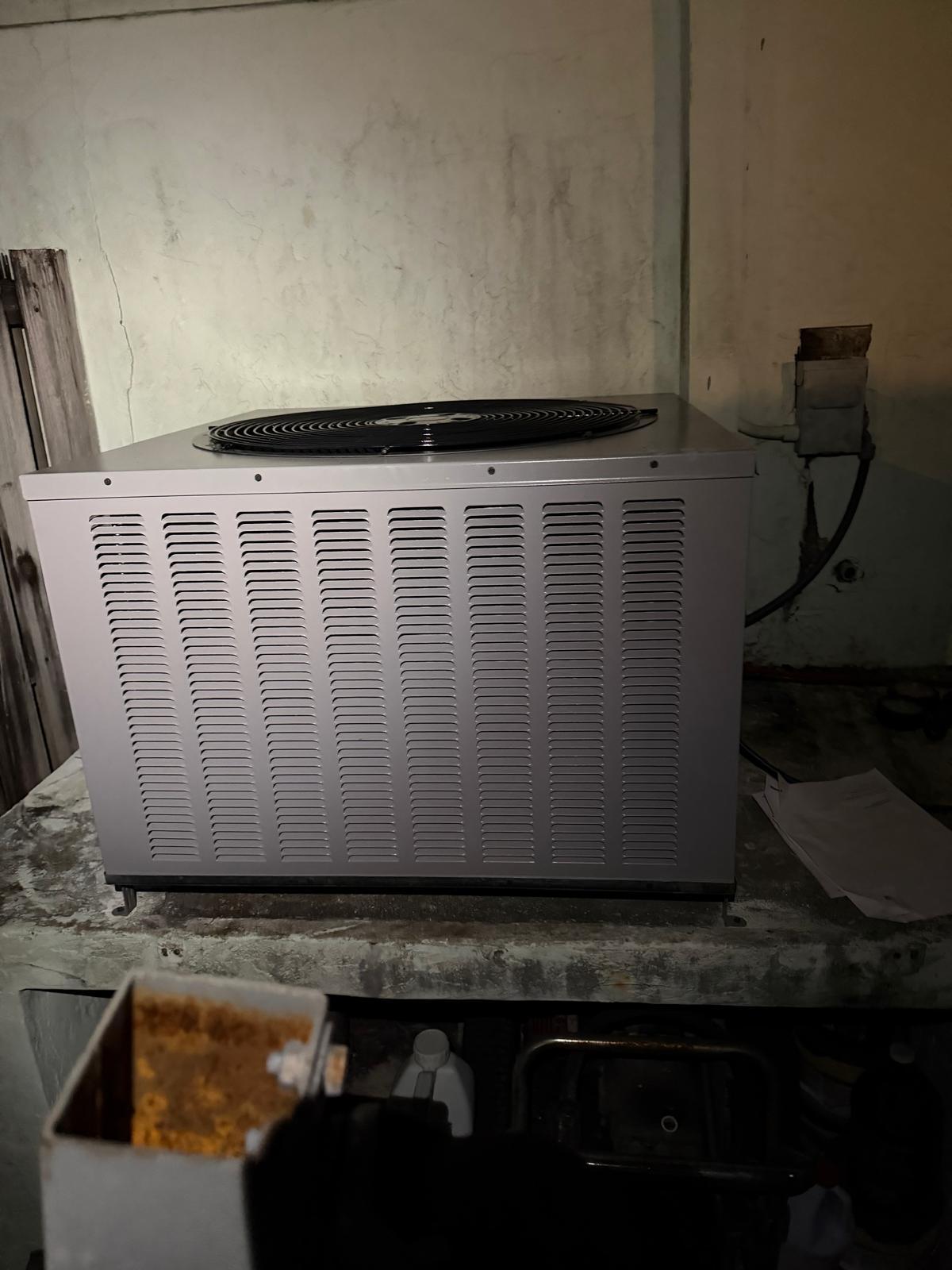
There’s nothing quite as frustrating as stepping inside from the sweltering Houston heat, only to discover your AC fan isn’t turning on. The silence from your outdoor unit or indoor air handler, when you desperately expect that comforting rush of cool air, can send a wave of dread through any homeowner. Especially in a city where summer temperatures routinely hit the mid-90s with relentless humidity, a malfunctioning AC is more than an inconvenience; it’s a critical comfort and safety issue. Here at Airus Air Services, we understand that immediate relief is paramount. Before panic sets in, let’s walk through some no-nonsense troubleshooting steps to identify why your AC fan might be refusing to spin.
Immediate Checks: Power & Thermostat
-
Check Your Thermostat Settings
- Is it set to “Cool” and “Auto” or “On”? Sometimes, the simplest solution is the correct one. Ensure your thermostat is not in “Off” or “Heat” mode. If it’s on “Auto,” the fan will only run when the system is actively cooling. If set to “On,” the fan should run continuously.
- Battery Replacement: If your digital thermostat screen is blank or dim, fresh batteries might be all you need. A dead thermostat can’t signal your AC to start.
-
Inspect the Circuit Breaker
- Tripped Breaker: Locate your home’s electrical panel. Look for a tripped breaker labeled “AC,” “Furnace,” or “Air Handler.” A tripped breaker will be halfway between “On” and “Off” or clearly in the “Off” position. Reset it by switching it fully to “Off” and then back to “On.” Modern AC units draw significant power, especially during startup, and an aging breaker or slight power surge in areas like the Galveston Bay region can cause it to trip. If it trips immediately again, do NOT keep resetting it, as this indicates a serious electrical fault.
- Check Outdoor Disconnect: There’s usually a small disconnect box near your outdoor compressor unit. Ensure the switch or fuses inside are in the “On” position or not blown.
Delving Deeper: Component Inspection
-
Inspect the Outdoor Unit’s Contactor
- A Small Electrical Relay: The contactor is a crucial component that supplies power to the compressor and outdoor fan motor. If the fan isn’t spinning, carefully examine the contactor in your outdoor unit (with the power OFF at the breaker first!). Sometimes, it can get stuck open, or its electrical points can burn out. When the thermostat calls for cooling, you should hear a distinct “click” from the outdoor unit. If you don’t hear it, or if the plunger inside isn’t engaged, the contactor might be faulty.
-
Examine the Run Capacitor
- The Fan’s Jolt Start: Both the outdoor fan motor and compressor rely on a run capacitor to provide an initial electrical jolt to get them going. If this component fails, the motor won’t have the power to start, even if electricity is reaching it. A visually failing capacitor often looks swollen, bulging at the top, or may have fluid leaking from it. However, internal failures aren’t always visible. This is a common failure point, especially in the high heat of a Houston summer, putting constant stress on electrical components. Replacing a capacitor is a job best left to professionals from Airus Air Services due to the high voltage it stores, even when disconnected from power.
- Dual Capacitors: Many units have a dual-run capacitor serving both the fan and compressor. If only one fails, you might get the compressor running but no fan, or vice versa.
-
Check the Fan Motor Itself
- Physical Obstructions: Power off your unit and gently try to spin the fan blades manually. If they feel stiff or are obstructed by debris (leaves, branches common after a Gulf Coast storm, or even accumulated dust and grime), the motor won’t be able to turn. Clear any obstructions.
- Motor Failure: If the blades spin freely but the fan still doesn’t engage after checking the capacitor and power, the motor itself might have failed. Bearings can wear out, windings can short, or it could simply reach the end of its operational life. The average lifespan of an AC fan motor is 10-15 years, but environmental factors in Houston’s humid climate can shorten that.
Advanced Issues & Professional Help
-
Refrigerant Issues and Safety Switches
- Low Refrigerant: While less direct, extremely low refrigerant levels can trigger safety switches that prevent the entire unit (including the fan) from running to protect the compressor. This typically indicates a leak. You can learn more about Airus Air Services in Houston and our full range of AC diagnostic and repair services.
- High-Pressure/Low-Pressure Switches: Your AC has built-in safety mechanisms. If pressures are too high (due to a dirty coil or blocked airflow) or too low (due to a leak), these switches will shut down the system. Diagnosing these requires specialized gauges and expertise.
-
Control Board Malfunction
- The System’s Brain: Modern AC units, especially the more advanced models found in new developments across areas like the Houston Medical Center or the Energy Corridor, have complex control boards. If this “brain” malfunctions, it might fail to send the correct signals to start the fan or other components. This is a rare but challenging problem to diagnose without specialized tools.
For more complex issues beyond a simple breaker trip or thermostat adjustment, it’s always best to call a professional. Airus Air Services technicians are trained to diagnose and repair all types of HVAC issues, ensuring your system runs efficiently, whether you’re dealing with the heat of Texas or trying to get your system ready in places like Airus Air Services in Denver or Airus Air Services in Dallas. Don’t risk further damage or personal injury attempting high-voltage electrical repairs yourself.
FAQ: Your AC Fan Questions Answered
- Q: Why does my outdoor AC unit fan run, but not the indoor unit (blower fan)?
- A: This often indicates an issue with the indoor unit’s blower motor, capacitor, or control board. It could also be a problem with the thermostat’s connection to the indoor unit, preventing the fan from receiving the “on” signal.
- Q: My AC fan makes a humming noise but doesn’t spin. What’s wrong?
- A: A humming noise without spinning is a classic symptom of a failed fan motor capacitor. The motor is receiving power, but it lacks the necessary surge to overcome inertia and start spinning. It could also indicate seized motor bearings.
- Q: Can a dirty air filter stop my AC fan from turning on?
- A: Indirectly, yes. A severely clogged air filter restricts airflow, which can cause the evaporator coil to freeze over. If the ice builds up, it can trigger a safety switch to shut down the entire system, including the fan, to prevent damage. This is a common issue in humid climates like Houston’s.
- Q: My AC fan starts for a few minutes then stops. What gives?
- A: This “short cycling” can be due to a variety of issues, including a dirty condenser coil, low refrigerant, an oversized AC unit, or a malfunctioning thermostat. It can also be a sign of a failing compressor or high-pressure safety switch tripping prematurely.
- Q: Is it safe to try and push the fan blades to get them started?
- A: Only attempt this if the power to the unit is COMPLETELY disconnected at the circuit breaker. Even then, it’s generally not recommended. If a fan needs a push to start, it’s a clear sign of a failing capacitor or motor, and it requires professional diagnosis and repair, not a temporary fix.
- Q: How can I tell if my AC fan motor is truly burned out?
- A: A distinct burning smell around the outdoor unit or air handler is a strong indicator. Visually, you might see scorched wires or melted plastic on the motor. A multimeter can confirm if the motor windings have an open circuit or are shorted, but this requires specialized tools and expertise.
When to Call the HVAC Experts
While some of these troubleshooting steps are DIY-friendly, anything involving electrical components, refrigerant, or major system malfunctions should be handled by a certified HVAC technician. Attempting repairs beyond your skill level can lead to further damage, costly repairs, or even severe injury. When facing persistent AC fan problems in the Houston area, trust the experienced team at Airus Air Services. Our technicians are equipped with the knowledge and tools to quickly diagnose the root cause of your AC issues and restore comfort to your home.
Don’t let the heat get the best of you. For reliable AC repair and maintenance, contact Airus Air Services at (954) 627-1752 today. We’re here to ensure your cooling system operates efficiently and effectively, keeping your home a comfortable oasis.