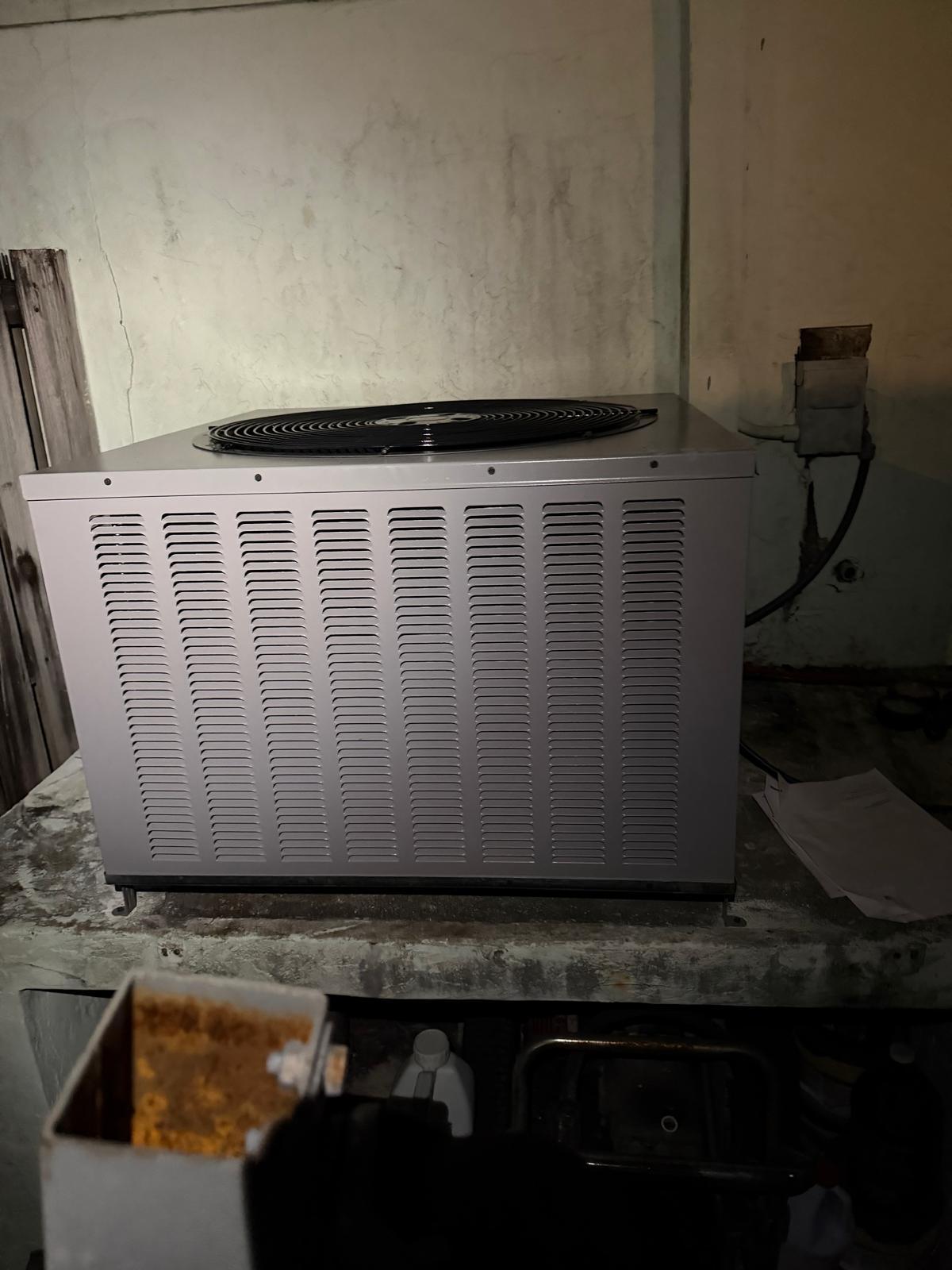
Imagine this: It’s a scorching Hollywood, FL afternoon, the kind where the heat practically shimmers off the asphalt. You step inside, eager for that familiar blast of cool air, but instead, you’re greeted by either a disturbing rattling, grinding, or squealing noise from your AC unit, or unsettling silence. Your air conditioner’s blower motor, the unsung hero distributing that precious cool air throughout your home, is clearly struggling – or worse, not working at all. This isn’t just an inconvenience; in our subtropical climate, a malfunctioning AC is a serious problem for comfort and even health. Understanding the signs and potential causes behind a loud or unresponsive AC blower motor can save you from sweltering days and nights.
The Essential Role of Your AC Blower Motor
At the heart of your home’s central air conditioning system lies the blower motor. Its primary function is to draw in warm return air, push it over the evaporator coil to cool it, and then force that conditioned air through your ductwork and into every room. Without a properly functioning blower motor, your AC unit might produce cold air, but it won’t circulate, leaving your living spaces feeling stagnant and uncomfortably warm. Essentially, it’s the lungs of your HVAC system, crucial for maintaining optimal indoor air quality solutions and comfort, especially when temperatures soar past 90 degrees, as they often do near the Broadwalk.
Why Your AC Blower Motor is Loud: Common Culprits
A noisy blower motor is often a cry for help. The specific type of sound can frequently point to the underlying issue:
Worn Bearings
One of the most frequent culprits for a high-pitched squealing or grinding noise is worn-out motor bearings. Over time, these components lose their lubrication or simply wear down, leading to increased friction and noise. While common in older units, premature wear can occur if your system isn’t receiving regular AC maintenance.
Unbalanced Blower Wheel
The blower wheel, a large fan-like component, is meticulously balanced to spin smoothly. Accumulation of dirt and debris, particularly common in the humid conditions of South Florida, can cause the wheel to become unbalanced. This imbalance leads to a wobbling motion, generating rattling or thumping sounds as it strikes the housing.
Debris in the Blower Assembly
Leaves, pet hair, dust, and other detritus can find their way into the blower motor housing. These foreign objects, when caught in the spinning wheel, can produce slapping, grinding, or scraping noises. This is a common issue we encounter across the area, from West Lake Park to Hollywood Hills.
Loose Components
Vibrations are a normal part of AC operation, but they can gradually loosen bolts, screws, or mounting hardware within the blower assembly. When these components come loose, they can rattle, buzz, or vibrate against other parts, creating irritating noises.
Electrical Issues (Capacitor/Motor Malfunction)
Sometimes, a persistent hum or buzzing, especially if the fan struggles to start, indicates an electrical problem. A weak or failing start capacitor might cause the motor to labor, or the motor itself could be nearing its end, potentially drawing excessive current and causing audible stress. In such cases, AC repair services by a qualified technician are essential.
Why Your AC Blower Motor is Not Spinning: Potential Causes
If your blower motor goes completely silent or simply won’t turn on, the issue is often more severe than just noise:
Blown Capacitor
The capacitor provides the initial surge of electricity needed to start the motor. If it’s weak or has failed entirely, the motor won’t receive the power it needs to spin. This is a very common failure point for AC units, especially during peak demand in warm climates.
Motor Overheating/Overload
Motors are designed with thermal overload protectors. If the motor is overworked (perhaps due to a dirty filter restricting airflow) or encountering excessive resistance, it can overheat and shut down to prevent permanent damage. Once cooled, it might attempt to restart.
Faulty Thermostat
A malfunctioning thermostat might not be sending the “on” signal to your blower motor. While less common, it’s a relatively simple thing to check before delving into the AC unit itself.
Wiring Problems
Loose or damaged wiring, whether at the thermostat, the control board, or the motor itself, can interrupt the electrical connection. This prevents power from reaching the motor, rendering it inoperable.
Completely Failed Motor
Like any mechanical component, blower motors have a lifespan. Eventually, they can simply burn out or fail due to internal electrical or mechanical issues. A failed motor typically requires replacement.
Clogged Air Filter
A severely clogged air filter is a major airflow impediment. This forces the blower motor to work much harder to pull air through, leading to overheating, premature wear, and even complete shutdown. According to industry statistics, restricting airflow by 50% can increase energy consumption by up to 15%. This is a simple fix that is often overlooked and can greatly impact system efficiency, not just here but for clients requiring Airus Air Services in Denver, Airus Air Services in Houston, or Airus Air Services in Dallas.
Troubleshooting Steps You Can Take
While some issues require a professional, you can perform a few basic checks safely:
- Check Your Air Filter: Ensure it’s clean and replace it if necessary. This is the easiest and most frequently ignored maintenance task.
- Reset the Breaker: Locate your electrical panel and turn off the breaker for your AC unit for a few minutes, then switch it back on. This can sometimes reset the system.
- Inspect for Obstructions: With the power OFF to the unit, visually inspect the blower area for any obvious debris or foreign objects. Do NOT attempt to remove anything without ensuring the power is completely disconnected.
- Thermostat Check: Ensure your thermostat is set to “cool” and the fan is set to “auto” or “on.” Try setting the fan to “on” to see if it responds independently of the cooling cycle.
When to Call the HVAC Professionals at Airus Air Services
While basic troubleshooting can be helpful, many blower motor issues, especially those involving electrical components or internal motor problems, require the expertise of certified HVAC technicians. Attempting complex repairs without proper training and tools can be dangerous and could void your warranty. When you hear persistent noises, experience no airflow, or are unsure about the problem, it’s time to call in the pros. Airus Air Services specializes in diagnosing and repairing all HVAC issues specific to our unique Hollywood, FL environment. For reliable and prompt service, don’t hesitate to call us at (954) 627-1752 for emergency HVAC services or routine maintenance.
Frequently Asked Questions (FAQ)
Q1: How much does it cost to replace an AC blower motor?
A: The cost can vary significantly based on the motor type (single-speed, multi-speed, variable-speed), labor, and the complexity of the installation. Typically, homeowners in Hollywood, FL can expect to pay anywhere from a few hundred to over a thousand dollars for parts and labor.
Q2: Can I oil my AC blower motor?
A: Most modern AC blower motors have sealed bearings that do not require oiling. Attempting to oil sealed bearings can actually do more harm than good. Only motors with visible oil ports should be oiled, and always refer to your manufacturer’s recommendations.
Q3: Is it safe to run my AC with a loud blower motor?
A: While a loud motor might still move some air, it’s generally not recommended to run it for extended periods. The noise indicates a problem that could worsen, leading to increased energy consumption, further damage to the motor or other components, and potentially a complete system failure.
Q4: How often should I replace my air filter to protect the blower motor?
A: In Hollywood, FL’s humid and often dusty conditions, it’s advisable to check your air filter monthly and replace it every 1-3 months. Homes with pets, allergies, or higher occupancy may need more frequent changes.
Q5: What’s the difference between a loud hum and a screeching noise?
A: A loud hum, especially one that doesn’t lead to the fan spinning, often indicates a faulty capacitor or electrical issue. A screeching or grinding noise usually points to worn-out bearings, while rattling could be loose components or debris.
Q6: Can a dirty blower motor reduce my AC’s efficiency?
A: Absolutely. A dirty blower wheel and motor have to work harder to move the same amount of air, leading to increased energy consumption and higher utility bills. It also puts undue strain on the motor, shortening its lifespan.
Contact Airus Air Services Today!
Don’t let a noisy or non-spinning AC blower motor disrupt your comfort in Hollywood, FL. When your HVAC system isn’t performing as it should, rely on the expert technicians at Airus Air Services. We’re committed to providing swift, reliable, and professional HVAC solutions to keep your home cool and comfortable year-round. Call us today at (954) 627-1752 to schedule a diagnostic visit or for any of your AC repair and maintenance needs!