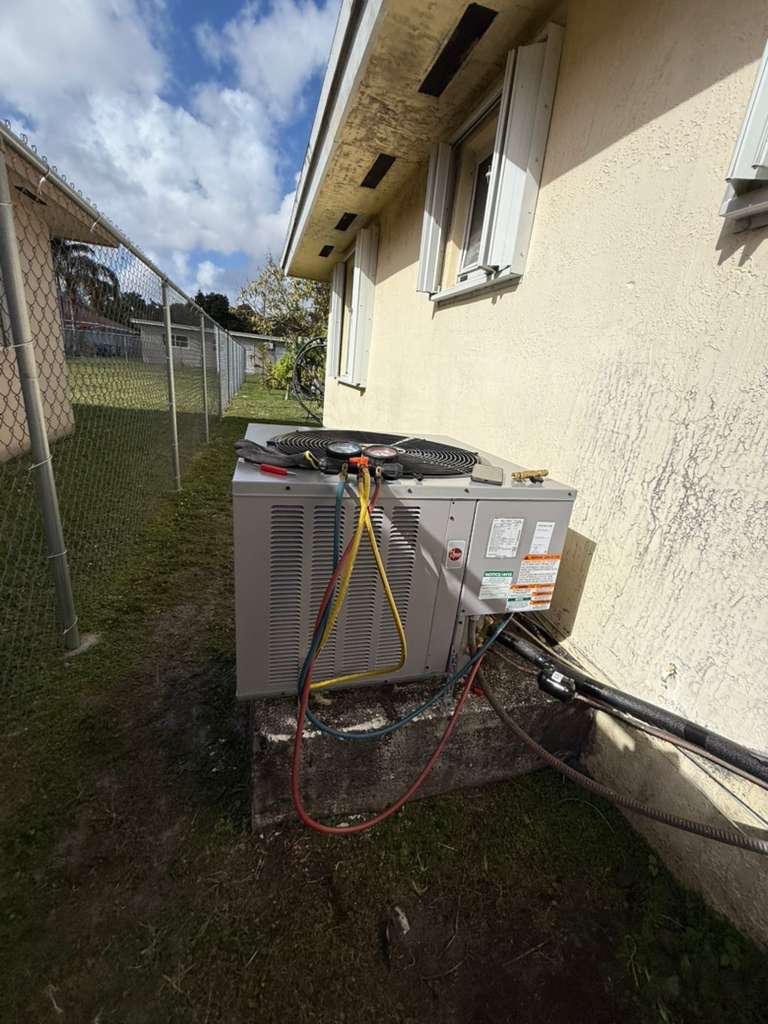
In the scorching Las Vegas heat, a sudden air conditioning failure isn’t just an inconvenience; it can be a genuine health concern. When your AC unit gives up, the most common mistake homeowners make is panicking and immediately assuming the worst-case scenario. This can lead to hurried, expensive decisions or even attempting DIY fixes that cause more damage. As HVAC experts, Airus Air Services understands the urgency and frustration, and we’re here to guide you through what to do when your AC dies, offering practical steps before you reach for the phone.
Immediate Steps When Your AC Goes Silent
When the cool air stops flowing, your first reaction might be dread, especially during a triple-digit Summerlin afternoon. Before calling for emergency repair, systematically check a few common culprits that can often be resolved without a technician. Many seemingly catastrophic failures are simple power issues or clogged filters.
Check Your Thermostat Settings
This may sound elementary, but a surprising number of service calls reveal a simple thermostat error. Ensure your thermostat is set to “Cool” and that the temperature setting is below the current room temperature. Check the batteries, too. A digital thermostat with a blank screen often just needs a fresh set of AAAs. Even a faulty sensor can cause an AC to appear dead, so try adjusting the set temperature by a few degrees.
Inspect Your AC Filter
A severely clogged air filter restricts airflow, which can cause your unit to freeze up or overheat and shut down. Living in dusty environments like Las Vegas means filters get dirty fast. Pull out your filter and visually inspect it. If it’s dense with dust and debris, replace it. A clean filter can sometimes resolve the issue, and at the very least, rules out a common problem. Regular HVAC maintenance is key to preventing this.
Reset Your Circuit Breaker
Your AC unit, especially the outdoor condenser, draws a significant amount of power. An electrical surge or an overworked unit can trip its dedicated circuit breaker. Locate your home’s electrical panel, which might be in the garage, basement, or utility closet. Find the breaker labeled for your AC unit (or “Furnace,” “HVAC,” etc.). It will likely be a double-pole breaker. If it’s in the “off” position or halfway between “on” and “off,” flip it firmly to “off” and then back to “on.” Wait 15-30 minutes before trying your AC again to allow any frozen components to thaw. If it trips again immediately, do not reset it; this indicates a more serious electrical or mechanical issue.
When Professional Help is Essential
While some issues are DIY-fixable, many require the expertise of a professional. If you’ve gone through the basic troubleshooting steps and your AC still isn’t working, it’s time to call in the experts. Ignoring the problem, particularly when outdoor temperatures in Henderson or near the Strip soar above 100°F, isn’t just uncomfortable; it can be dangerous, leading to heat-related illnesses.
Signs that warrant a professional emergency AC repair call include:
- The circuit breaker continues to trip after resetting.
- You hear unusual noises (grinding, squealing, banging) coming from the unit.
- There’s a strong burning smell.
- Water or refrigerant leaks are visible around the indoor or outdoor unit.
- Your unit is running constantly but not cooling effectively, indicating a potential refrigerant leak or compressor issue.
A qualified HVAC technician from Airus Air Services can quickly diagnose the root cause, whether it’s a failing capacitor, a clogged condensate drain, or a compressor malfunction. Our team has extensive experience ensuring optimal performance in demanding climates, from our base service areas to places like where Airus Air Services in Houston maintains high standards of indoor air quality and temperature regulation, demonstrating our broad expertise.
Temporary Cooling Measures to Stay Safe
While you await professional repair, particularly when dealing with the intense desert heat that Las Vegas is known for, take steps to keep your home as cool as possible and protect yourself and your family. The average summer temperature often exceeds 100°F, with peak daytime temperatures regularly hitting 105-115°F.
- Hydrate: Drink plenty of water and electrolyte-rich fluids to prevent dehydration.
- Close Blinds and Curtains: Block out direct sunlight, which is a major source of indoor heat gain.
- Minimize Heat Sources: Avoid using heat-generating appliances like ovens, dryers, and dishwashers. Use cold water for showers and laundry.
- Create Cross-Ventilation (at night): If outdoor temperatures drop significantly after sunset, open windows on opposite sides of your home to create a natural breeze. Be sure to close them again before the sun rises and temperatures begin to climb.