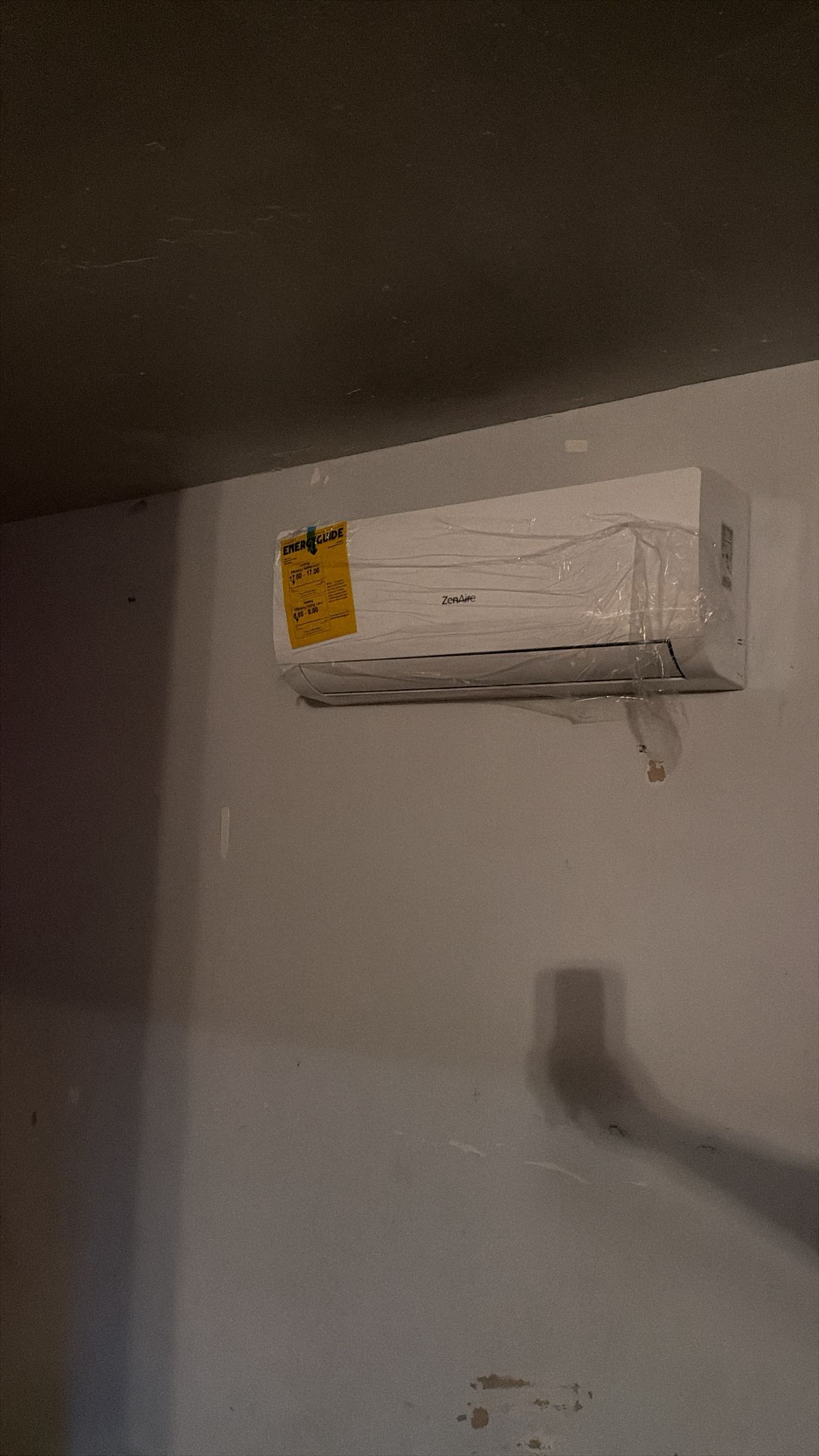
You’ve spent weeks preparing your Houston home for sale. The paint is fresh, the landscaping is immaculate, and the kitchen sparkles. You’re feeling confident, picturing multiple offers rolling in. Then, the buyer’s inspection report lands, and there it is, bolded and highlighted: “HVAC system is 15+ years old and nearing end of life.” Suddenly, your dream sale hits a snag. Sound familiar? Many homeowners face the frustrating reality that their HVAC system, often an overlooked powerhouse, can become a deal-breaker or a significant point of negotiation when selling. In Houston’s sweltering climate, an outdated air conditioning system isn’t just an inconvenience; it’s a glaring red flag for potential buyers.
Selling your home should be exciting, not a stress test on your outdated HVAC. Let’s explore the common pitfalls homeowners make with their cooling and heating systems when preparing to sell, and how to avoid them for a smoother, more profitable sale.
Mistake #1: Underestimating the Power of Houston’s Climate
Living in Houston means enduring some of the most intense heat and humidity in the country. From the muggy spring days to the scorching, seemingly endless summers, a functional, efficient HVAC system isn’t a luxury; it’s a necessity. Homebuyers, especially those new to the area or looking to save on utilities, know this intimately. An outdated system, perhaps one that barely survived another August, translates directly into higher energy bills and diminished comfort. Imagine trying to sell a beautiful home in The Heights, only for the buyer to realize they’ll be facing monthly electricity bills that rival their mortgage payment because of an inefficient 20-year-old AC unit. According to the U.S. Department of Energy, older HVAC systems can be 20-30% less efficient than modern, energy-star rated models. This isn’t just a number; it’s a financial drain buyers are acutely aware of.
Mistake #2: Skipping a Pre-Sale HVAC Inspection
It’s tempting to wait for the buyer’s inspection to see if any HVAC issues arise. After all, if it’s working, why bother? This is a common and often costly mistake. Discovering significant HVAC problems during a buyer’s inspection puts you on the defensive. It gives the buyer leverage, potentially leading to demands for hefty credits, price reductions, or even the deal falling through entirely. A proactive, professional HVAC inspection from a trusted service provider *before* you list your home allows you to address any issues on your own terms. You can get competitive quotes for repairs or replacements and choose the best solution without the pressure of a ticking closing clock. Even if you’re not in Houston, like our friends at Airus Air Services in Hollywood, FL, the principle remains the same: knowing your HVAC’s health empowers you.
Mistake #3: Believing a “Working” System is Good Enough
Just because your HVAC unit turns on doesn’t mean it’s “good enough.” Modern buyers and their inspectors look beyond mere functionality. They assess the system’s age, efficiency rating (SEER for AC, AFUE for furnaces), and the type of refrigerant it uses. If your system still runs on R-22 refrigerant, you’re looking at a serious red flag. R-22 has been phased out, making repairs on these systems increasingly expensive and difficult. While Airus Air Services in Houston (and other regions) can advise on comprehensive home air solutions, the core HVAC unit itself is paramount. An older system that barely cools or heats can also harbor significant air quality issues if not properly maintained. Consider how crucial professional assessments are. At Airus Air Services, we understand the intricacies of these systems, and the importance of a detailed evaluation. Even if you don’t require immediate service, understanding your system’s standing is crucial for home sales.
Mistake #4: Ignoring the Financial Impact on Your Home’s Value
An outdated HVAC system can significantly detract from your home’s perceived value. Buyers in neighborhoods like River Oaks or Sugar Land often expect modern amenities, and HVAC is at the top of that list. Faced with a system nearing the end of its life, buyers will factor in the cost of a full replacement, which can easily range from $7,000 to $15,000 or more, depending on the system size and home layout. This often translates into lower offers or demands for substantial credits at closing. Studies show that homes with updated HVAC systems can sell for up to 10% more and spend less time on the market. Replacing an old unit offers a strong return on investment (ROI), often between 50-80%, and positions your home as move-in ready. For broader considerations, companies like Airus Air Services in Atlanta recognize this impact on marketability.
Mistake #5: Forgetting the Air Quality & Comfort Factor
Today’s HVAC systems offer more than just temperature control; they play a critical role in indoor air quality and overall home comfort. With Houston’s high pollen counts and humidity, effective filtration and dehumidification are non-negotiable. An old system often struggles to manage humidity, leading to potential mold issues and an uncomfortable, sticky indoor environment. Modern units come with advanced filtration systems, some even capable of removing tiny allergens and pollutants, creating a healthier living space. This is a huge selling point for health-conscious buyers. Think about the peace of mind a family gains knowing their new home provides superior air quality, especially compared to an older system that might be circulating dust and allergens. Even in other humid climates, Airus Air Services in Miami stresses the importance of indoor air quality, which is intricately linked to your HVAC system.
Frequently Asked Questions About HVAC & Home Sales
- Q1: How old is “outdated” for an HVAC system?
A: Most HVAC systems have a lifespan of 10-15 years for air conditioners and heat pumps, and 15-20 years for furnaces. If your system is approaching or has exceeded these age ranges, it’s generally considered outdated, regardless of how well it’s currently performing. - Q2: Will replacing my HVAC really increase my home’s value?
A: While a direct dollar-for-dollar increase can vary, a new HVAC system often provides a strong return on investment (ROI) by attracting more buyers, reducing selling time, and avoiding costly concessions. It eliminates a major concern for buyers and contributes to a smoother sale process. - Q3: What are the signs my HVAC system is failing?
A: Look for unusually high energy bills, inconsistent temperatures across rooms, strange noises or odors, frequent repairs, and a system that runs constantly