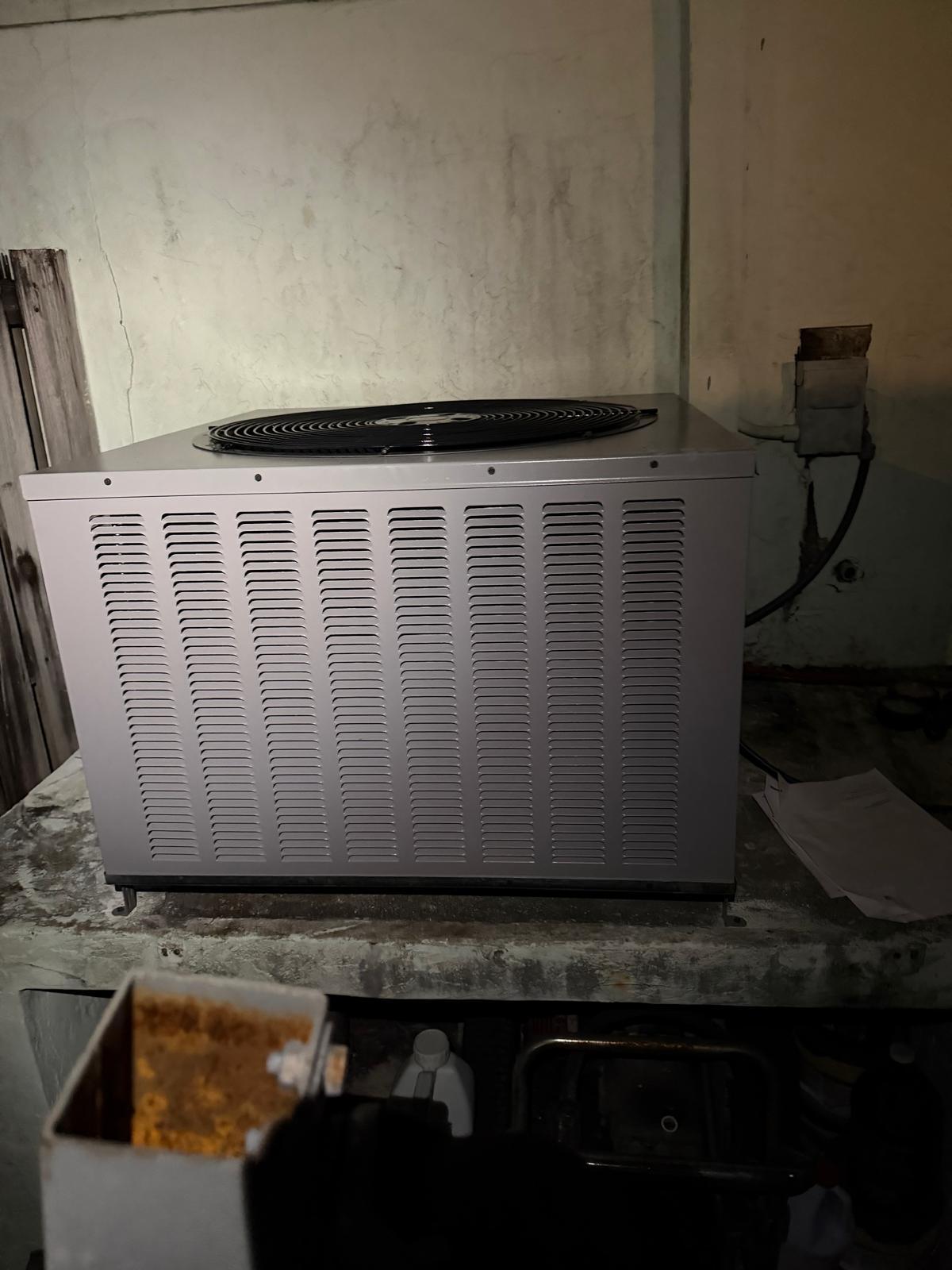
The journey of home climate control, from basic fire pits to sophisticated central HVAC systems, is a testament to human ingenuity. With this evolution, however, has come an increasing complexity, particularly within the intricate web of electrical components that power your heating and cooling. Today, your HVAC system isn’t just about blowing air; it’s a meticulously engineered electrical ecosystem. For homeowners in Hollywood, FL, and especially those battling the intense heat and humidity of Houston, understanding these critical electrical components isn’t merely an academic exercise – it’s an urgent safety imperative. Neglecting them can lead to devastating consequences, from system failure to electrical fires. The time to act, to learn, and to secure your home’s safety is now.
Case Study 1: The Fading AC in Houston’s Unrelenting Heat
Imagine this: it’s August in Houston, the kind of day where the air itself feels like a thick blanket, and your AC unit starts making a strange buzzing sound. Then, it struggles to cool, eventually cycling on and off erratically. This isn’t just an inconvenience; it’s a flashing red light signaling potential electrical peril. The case of “The Fading AC” is a common scenario for many, particularly in climates notorious for extreme heat, much like our own here in Hollywood, FL, or the intense summers experienced by Airus Air Services in Houston.
The Problem: Overloaded Circuits & Failing Capacitors
Often, the culprit in such scenarios is a failing capacitor or an overworked circuit. Capacitors are small, cylindrical devices that store and release electrical charges, providing the initial burst of power needed to start the compressor and fan motors. In a city like Houston, where HVAC systems run almost non-stop for months, these components are under immense stress. Data shows that capacitors are among the most frequently replaced parts in AC systems, especially after years of continuous use. A failing capacitor draws excessive current, placing undue strain on wiring and circuit breakers. If a circuit breaker constantly trips, it’s not just annoying; it’s preventing a potentially dangerous overload that could lead to wiring overheating, insulation melting, and even fire. Overloaded circuits, whether from a dying capacitor or other electrical demand, contributed to over 50,000 home fires annually in the U.S., according to the NFPA, many linked to major appliances.
The Solution: Timely Diagnosis & Component Replacement
The solution is both simple and critical: immediate professional diagnosis. Waiting means risking further damage to your HVAC system or, worse, an electrical fire. A certified technician from Airus Air Services would perform a diagnostic check, test the capacitors, and inspect all wiring for signs of overheating or degradation. Replacing a faulty capacitor or addressing an overloaded circuit isn’t just about restoring cool air; it’s about averting a serious hazard. Don’t gamble with your home’s electrical integrity – the stakes are too high.
Case Study 2: The Mysterious Burning Smell and Trip Wires
You detect a faint, acrid odor near your outdoor unit or indoor air handler, perhaps accompanied by a circuit breaker constantly tripping. This “mysterious burning smell” is one of the most alarming signals an HVAC system can send. It signifies something far more dangerous than just a lack of comfort.
The Problem: Frayed Wiring & Faulty Contactors
That burning smell is almost invariably a sign of electrical wiring insulation melting due to excessive heat. This can be caused by loose connections, aging and frayed wires, or a malfunctioning contactor. The contactor acts as a high-voltage relay, switching power on and off to the outdoor compressor and fan motor. If its contacts become pitted or worn, it can lead to erratic voltage, overheating, and sparking – a direct fire hazard. Old wiring, especially in homes built before modern electrical codes, is also a significant risk factor, vulnerable to the demands of powerful modern HVAC units. Houston’s specific climate challenges, including high humidity and salinity near the Gulf Coast, can accelerate corrosion and wear on these sensitive electrical parts.
The Solution: Immediate Power Cut & Professional Intervention
If you encounter a burning smell or persistent tripping, the absolute first step is to immediately shut off your HVAC system at the thermostat AND the main circuit breaker. Do NOT investigate further on your own. This is an immediate call for expert help. Airus Air Services, leveraging our deep expertise honed in environments like Hollywood, FL, understands the corrosive and heat-related stresses on HVAC electrical systems. Our technicians are trained to identify and rectify such dangerous issues promptly, performing professional HVAC repair in Hollywood, FL and beyond, ensuring your system operates safely. This isn’t a problem that will fix itself; it requires urgent, professional attention to prevent a catastrophic event.
Key Electrical Components You MUST Understand
To truly safeguard your Houston home, familiarize yourself with these vital electrical parts:
- Capacitors: We’ve discussed these. Essential for starting motors; prone to failure under stress.
- Contactors: The “gatekeepers” of high voltage, switching power. Worn contacts are dangerous.
- Thermostats & Wiring: Your system’s command center and its nervous system. Faulty wiring from the thermostat can miscommunicate, or worse, lead to shorts. Ensure your comprehensive AC maintenance