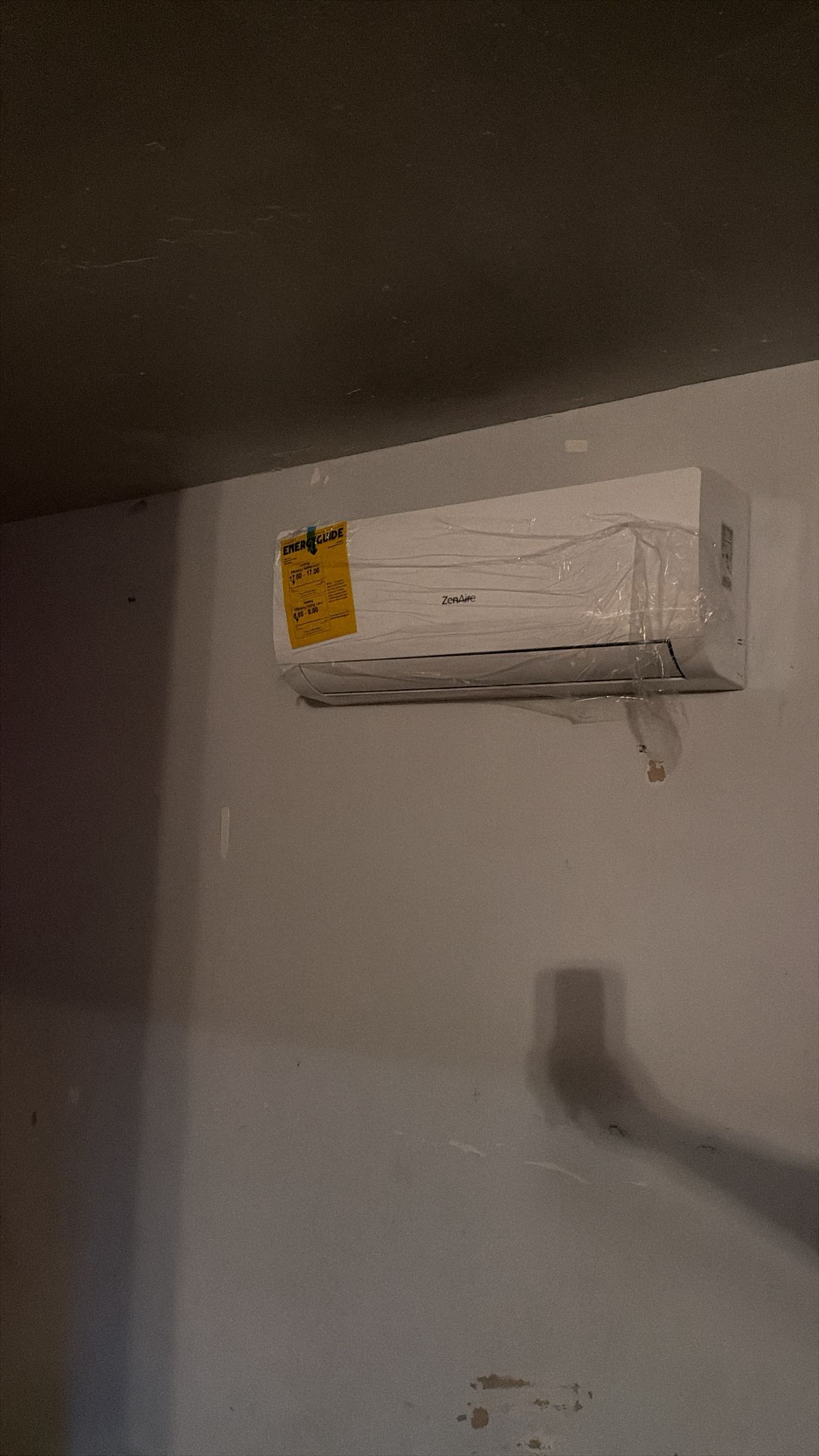
Did you know that your air conditioning unit’s short cycling can be silently draining your wallet, especially during the sweltering Hollywood, FL heatwaves? Many homeowners in our sunny city are unaware of the hidden costs associated with their AC’s frequent on-and-off patterns, and it’s a concern we hear often at Airus Air Services.
The Battle Against the Hollywood Heat: Understanding AC Cycling
Life in Hollywood, FL, brings with it the undeniable charm of our beautiful beaches, vibrant arts scene, and, of course, consistently warm weather. While we cherish these aspects, they also place a significant demand on our home’s HVAC systems. Your air conditioner is your primary defense against the humidity and rising temperatures, working tirelessly to keep your living space comfortable. However, the way it cycles on and off—its “cycling”—plays a crucial role in its efficiency and, consequently, your energy bills.
What is AC Cycling, and Why Does it Matter?
At its core, AC cycling refers to the process by which your air conditioner turns on to cool your home, reaches the desired temperature, and then turns off. This cycle repeats as your home’s thermostat detects a rise in temperature. For a system to operate optimally, it needs adequate “run time” to effectively dehumidify the air and distribute cooled air throughout your home. When an AC system short cycles—meaning it turns on for short bursts and then shuts off prematurely before completing its intended cooling and dehumidifying tasks—it’s a signal that something is amiss, and it has significant implications for your energy consumption.
The Sweet Spot: Ideal AC Run Times
What constitutes an ideal run time? Experts often suggest that for a properly sized and functioning HVAC system, a cycle should ideally last anywhere from 10 to 15 minutes, or sometimes even longer, to achieve efficient cooling and dehumidification. During these longer, less frequent cycles, the AC unit has enough time to:
- Reach optimal operating temperature: This allows the refrigerant to work efficiently.
- Remove humidity: Condensation forms on the evaporator coil, effectively pulling moisture from the air. This is crucial in humid climates like ours in South Florida.
- Circulate cool air effectively: Ensuring all rooms reach a consistent, comfortable temperature.
Short cycling, on the other hand, prevents these crucial processes from occurring adequately, leading to a host of problems, not the least of which is an inflated energy bill.
Short Cycling: The Silent Saboteur of Your Energy Bill
In a place like Hollywood, FL, where keeping cool is a year-round necessity, an inefficient AC system can feel like a personal financial burden. Short cycling is one of the most common culprits behind unexpectedly high electricity bills. Let’s break down why this happens.
The Energy Drain of Frequent Starts and Stops
Every time your air conditioner kicks on, it draws a significant amount of power, often referred to as the “startup surge.” This surge is considerably higher than the energy required to keep the unit running steadily. When your AC short cycles, it’s repeatedly going through this high-demand startup phase much more frequently than it should. Imagine starting your car and immediately shutting it off, then doing it again and again; this repeated ignition process consumes more fuel than a steady drive.
Statistics from the Department of Energy suggest that HVAC systems account for nearly half of a home’s total energy consumption. When a significant portion of that consumption is wasted due to inefficient cycling, the financial impact can be substantial. A system that short cycles might be using 25-50% more energy than a properly functioning one, simply to achieve the same (or less effective) level of cooling.
The Dehumidification Deficit and its Cost
Beyond just the electricity used for cooling, Hollywood’s humidity presents an additional challenge. A key function of your AC is to remove moisture from the air. When your AC short cycles, it doesn’t run long enough to adequately dehumidify. This means that even if the thermostat registers a lower temperature, the air will still feel “sticky” and uncomfortable, prompting you to lower the thermostat even further, thus increasing energy usage. Furthermore, excess humidity can lead to potential issues like mold and mildew growth, creating an unhealthy indoor environment and potentially leading to costly repairs down the line. This is a cycle within a cycle, where inefficiency breeds further inefficiency and discomfort.
Impact on Equipment Longevity
The constant starting and stopping associated with short cycling puts excessive wear and tear on your AC’s components, particularly the compressor, which is the heart of the system. This increased stress can lead to premature breakdowns, costly repairs, and a significantly shortened lifespan for your unit. Investing in a system that runs efficiently is not just about saving money on your current energy bill; it’s also about protecting your investment in your home’s comfort system.
Comparing Scenarios: What Short Cycling Looks Like in Hollywood
Let’s visualize the difference between an efficiently running AC and one that’s short cycling, particularly in the context of our Hollywood climate.
Scenario A: The Efficient AC in Action
Imagine a perfectly sized and maintained AC unit in a home near Downtown Hollywood. As the afternoon sun beats down, the thermostat calls for cooling. The AC kicks on, and the fan begins to circulate air. Over the next 10-15 minutes, the unit works steadily, cooling the air and removing humidity. The compressor hums efficiently, and the cool air is distributed evenly throughout the house. Eventually, the thermostat’s target temperature is reached, and the AC shuts off, entering its “off” cycle. This can last for 20-30 minutes or more before the temperature rises enough to trigger another cycle. This results in:
- Consistent and comfortable indoor temperatures.
- Lower humidity levels for a more pleasant feel.
- Reduced stress on system components.
- Lower overall energy consumption.
Scenario B: The Short-Cycling AC’s Struggle
Now, consider a home where the AC unit is slightly oversized, or perhaps has a thermostat issue, or the ductwork is severely compromised. The AC kicks on. It cools the immediate vicinity around the thermostat very quickly. Because it’s oversized (or the thermostat is poorly placed, or ducts are leaking significantly, allowing cool air to escape too quickly without proper distribution), it reaches the thermostat’s target temperature in perhaps only 3-5 minutes. The thermostat registers that the job is done and signals the unit to shut off. This happens repeatedly throughout the day. The outcome is:
- Uneven cooling; some rooms may be noticeably warmer than others.
- High indoor humidity, making the home feel clammy, even at a lower temperature.
- Increased wear and tear on the compressor and other components.
- Higher energy bills due to frequent startup surges and inadequate cooling.
- A constant battle to achieve comfortable temperatures, leading to more frequent thermostat adjustments and further energy waste.
The difference in energy usage between these two scenarios, especially over a hot Hollywood summer, can be hundreds of dollars per month. This is why understanding your system’s behavior is so important.
Common Culprits Behind Short Cycling in Hollywood Homes
Pinpointing the exact reason for short cycling is the first step toward rectifying the problem and reclaiming your energy efficiency. As your trusted HVAC professionals in Hollywood, FL, Airus Air Services often encounters these common issues:
1. Incorrectly Sized Air Conditioning Unit
This is perhaps the most significant contributor to short cycling. If an AC unit is too large for the square footage of your home and its insulation levels, it will cool the air much faster than a properly sized unit. This rapid cooling leads to the thermostat reaching the set temperature prematurely, causing the unit to shut off before it has a chance to effectively dehumidify or distribute air evenly. The rule of thumb for effective cooling and dehumidification is that the unit needs sufficient runtime. An oversized unit fundamentally prevents this necessary runtime.
It’s important to note that oversizing can be as detrimental as undersizing. While undersized units struggle to cool, oversized units often lead to this short cycling problem, which is incredibly inefficient. For homeowners grappling with HVAC inefficiencies, consulting with professionals who can perform accurate load calculations is paramount. Services like those offered by Airus Air Services ensure that the unit recommended for your home is the right fit, preventing issues seen in more densely populated areas where AC needs are consistently high, or even in vast metropolitan areas like our colleagues at Airus Air Services in Los Angeles may encounter.
2. Thermostat Placement and Calibration Issues
Where your thermostat is located can dramatically affect how your AC performs. If a thermostat is placed in direct sunlight, near a heat-generating appliance (like a kitchen oven), or in a drafty area, it will not accurately reflect the actual temperature of your living space. This can lead to incorrect signals to your AC unit. For example, if it’s in direct sun, it might tell the AC to run even when the rest of the house is cool, or conversely, if it’s poorly calibrated, it might shut the AC off too soon.
3. Refrigerant Leaks and Low Refrigerant Levels
Your air conditioner relies on the correct amount of refrigerant to operate efficiently. If there’s a leak and the refrigerant level drops too low, the system may struggle to cool effectively. In an attempt to compensate, it might run in short, ineffective bursts. Low refrigerant can also cause the evaporator coil to freeze, further hindering its ability to function. This is a critical system issue that requires professional attention from experienced technicians.
4. Dirty Air Filters and Coils
A clogged air filter restricts airflow across the evaporator coil. Similarly, dirty condenser coils (the outdoor unit) prevent heat from dissipating efficiently. Both of these conditions can cause your AC to work harder and longer than necessary, leading to overheating and, paradoxically, the system shutting down prematurely to prevent damage. This makes simple maintenance tasks like regularly changing your air filter incredibly important, especially in a humid environment like Hollywood where dust and pollen can accumulate quickly. For a deeper dive into why clean airflow is so vital, you might find our insights on comprehensive Airus Air Services in Atlanta particularly relevant, as air quality is a concern in many major cities.
5. Air Duct Problems
Leaky, uninsulated, or poorly designed air ducts can lead to significant energy loss. If your ducts have holes or gaps, cool air escapes before it can reach the intended rooms, forcing your AC to run longer and more often. If the ducts are poorly sized or routed, airflow can be compromised, leading to similar inefficiencies. Even in a well-maintained system, the integrity of your ductwork is essential for optimal performance. Considering the extensive network of homes in areas like Airus Air Services in Miami, proper duct maintenance is a universal challenge for HVAC efficiency.
Maximizing Efficiency: Solutions for Your Hollywood Home
Dealing with short cycling and high energy bills can be frustrating, but the good news is that there are actionable steps you can take, and experts who can help. At Airus Air Services, we’re dedicated to ensuring your HVAC system runs at peak performance, saving you money and keeping your home comfortable year-round.
Regular Professional Maintenance: Your First Line of Defense
The single most effective way to prevent short cycling and other efficiency-killing problems is through regular professional HVAC maintenance. Our certified technicians at Airus Air Services conduct thorough inspections, cleaning, and tune-ups designed to identify and address potential issues before they escalate. This includes:
- Cleaning and inspecting coils: Ensuring optimal heat transfer.
- Checking refrigerant levels: Verifying proper charge for efficient cooling.
- Inspecting electrical connections: Ensuring safe and efficient operation.
- Calibrating thermostats: Guaranteeing accurate temperature readings.
- Assessing overall system performance: Identifying and correcting any imbalances that lead to short cycling.
Investing in annual or semi-annual maintenance can prevent costly emergency repairs and significantly reduce your energy consumption. Think of it as a health check-up for your AC.
Addressing Unit Size and System Upgrades
If your current AC unit is indeed oversized or is nearing the end of its lifespan and is prone to inefficiencies, it might be time to consider an upgrade. Replacing an aging, inefficient system with a modern, appropriately sized unit can lead to dramatic improvements in both comfort and energy savings. Newer models are designed with variable-speed compressors and advanced controls that allow for much more consistent and efficient operation, effectively eliminating short cycling. The initial investment can be recouped over time through lower utility bills and increased system longevity.
Smart Thermostat Installation
Programmable and smart thermostats offer a level of control and efficiency that can significantly impact your energy usage. These devices can be programmed to adjust temperatures based on your schedule, reducing energy consumption when you’re away or asleep. Smart thermostats also offer features like remote access via smartphone apps, allowing you to monitor and adjust your home’s temperature from anywhere. Some advanced models can even learn your habits and optimize cooling schedules automatically, further enhancing efficiency and preventing the conditions that lead to short cycling.
Air Duct Sealing and Insulation
As mentioned, compromised ductwork is a hidden energy drain. Leaky ducts can account for up to 30% of your cooling energy loss. Investing in professional air duct sealing and insulation services can dramatically improve your HVAC system’s efficiency. By ensuring that cool air reaches its intended destination without escaping into attics or crawl spaces, you’ll experience more consistent temperatures throughout your home and reduce the workload on your AC unit. This is a crucial step in optimizing the entire HVAC system, not just the unit itself.
Frequently Asked Questions About AC Short Cycling
Q1: How can I tell if my AC is short cycling?
You’ll likely notice that your AC turns on for a very short period (a few minutes) and then shuts off, only to turn back on again shortly after. You might also experience inconsistent temperatures throughout your home, with some areas feeling cool and others warm, and a general feeling of clamminess due to poor dehumidification.
Q2: Is short cycling bad for my AC unit?
Yes, short cycling puts excessive wear and tear on your AC’s compressor and other components. This increased stress can lead to premature breakdowns, costly repairs, and a reduced lifespan for the entire system.
Q3: My AC is new, why might it be short cycling?
Even new units can short cycle if they are improperly sized (too large for the home), if the thermostat is poorly placed or malfunctioning, or if there are issues with the ductwork or initial installation. Proper load calculation during the selection process is vital.
Q4: How much more expensive are energy bills with a short-cycling AC?
While exact figures vary, a short-cycling AC can increase your energy bills by 25% to 50% or even more compared to a properly functioning, efficiently running system. This is due to the repeated high energy demands of starting up and the inability to achieve efficient cooling and dehumidification.
Q5: Can I fix short cycling myself?
Some simple issues like a dirty air filter can be addressed by homeowners. However, issues like refrigerant leaks, oversized units, thermostat calibration, and ductwork problems require the expertise of a qualified HVAC technician. Attempting complex repairs without the proper knowledge and tools can be dangerous and may void warranties.
Q6: How often should my AC run?
An ideal cycle for most AC units typically lasts between 10 to 15 minutes. The “off” cycle can then last for 20-30 minutes or longer before the temperature rises enough to trigger another cooling cycle. However, this can vary based on your AC’s size, the outdoor temperature, and your home’s insulation.
Don’t Let Short Cycling Sweat Your Finances
Understanding the intricate relationship between your AC’s cycling patterns and your energy bills is key to maintaining a comfortable and cost-effective home in Hollywood, FL. Short cycling isn’t just an inconvenience; it’s a symptom of inefficiency that leads to higher utility costs, increased wear on your equipment, and a less comfortable living environment. If you’re experiencing rapid on-and-off cycles from your air conditioner, notice uneven cooling, or are simply concerned about your energy usage, it’s time to bring in the experts. The dedicated professionals at Airus Air Services are ready to diagnose the problem and implement the most efficient solutions for your HVAC system. Don’t let short cycling continue to drain your energy and your wallet. Contact Airus Air Services today at (954) 627-1752 for a thorough inspection and personalized recommendations. Let us help you beat the heat efficiently and affordably!