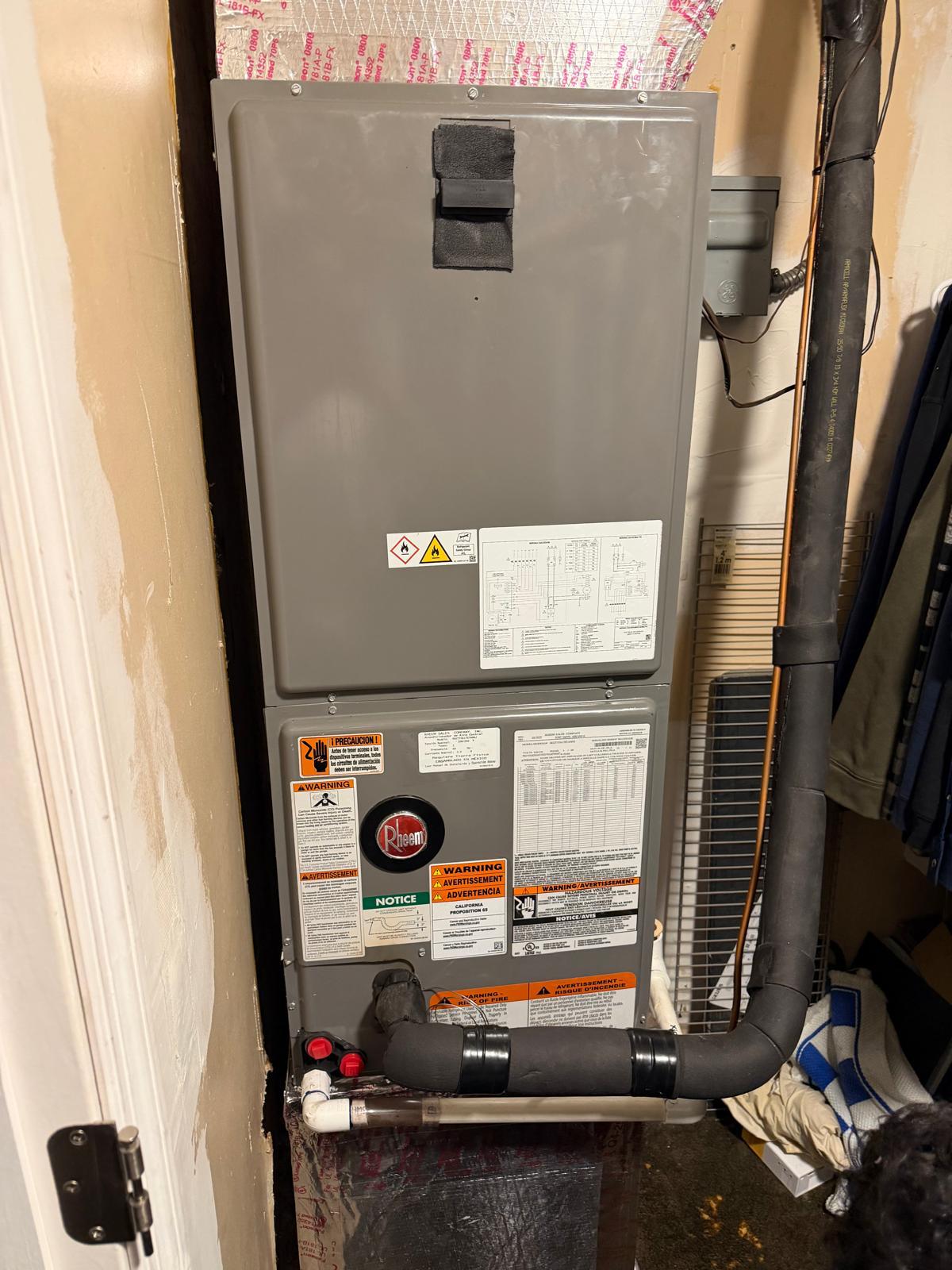
Did you know that in the sweltering heat of Hollywood, FL, your air conditioning unit is often the unsung hero working overtime, but also a common culprit behind mysteriously tripping circuit breakers? When your AC unit demands more electricity than its dedicated circuit can safely provide, or if internal component issues arise, your home’s electrical system responds by cutting power to prevent overheating and potential fires. Understanding why this happens isn’t just about restoring comfort; it’s about safeguarding your home and knowing when to call a professional HVAC expert.
At Airus Air Services, we understand the critical role your AC plays in maintaining comfort and health during Florida’s intense summers. This comprehensive how-to guide will walk you through the reasons your AC might be causing electrical overloads, common diagnostic steps, and most importantly, when to trust a certified HVAC technician to resolve the issue safely and effectively.
Understanding Your Breaker Box and AC’s Electrical Demands
Your home’s electrical panel is equipped with circuit breakers designed as safety devices. Each breaker protects a specific circuit, allowing a certain amount of electrical current (measured in amps) to flow. When a circuit experiences an “overload” – meaning too many appliances are trying to draw more current than the circuit can handle – the breaker “trips” and cuts power to that circuit. For an air conditioning system, especially during peak usage in areas like the Hollywood Hills, the demand for electricity is significant. A central AC unit can draw anywhere from 20 to 50 amps, placing it on a dedicated, high-amperage circuit. When something goes wrong within the AC unit, this demand can spike, leading to an immediate trip.
Common AC-Related Causes of Breaker Trips
Several issues within your AC system can lead to electrical overloads. Identifying the root cause requires a keen understanding of HVAC mechanics and electrical principles. From an HVAC perspective, Airus Air Services has seen these issues countless times across Hollywood neighborhoods:
Overheated or Dirty Components
In Hollywood’s humid climate, neglected AC maintenance is a significant factor. When your AC unit’s outdoor coil (condenser coil) is clogged with dirt, leaves, or debris, it struggles to dissipate heat. This forces the compressor to work harder, draw more current, and ultimately overheat, often leading to a breaker trip. Similarly, a dirty air filter can restrict airflow, causing the indoor fan motor to strain. Regular cleaning and professional AC maintenance are crucial to prevent these issues.
Capacitor Failure
Capacitors are vital electrical components in your AC, acting like batteries to give your compressor and fan motors the initial jolt of power they need to start. Over time, or due to power surges common during Hollywood’s thunderstorm season, capacitors can degrade and fail. A failing capacitor might require more current to start the motor, or worse, prevent the motor from starting at all while still attempting to draw power, causing an overload and trip.
Compressor Issues
The compressor is the heart of your AC system, responsible for circulating refrigerant. If the compressor is failing, it may seize up, requiring an enormous amount of electricity to try and start. This “locked rotor” condition is a common cause for immediate breaker trips, signaling a severe internal mechanical failure. Such an issue requires immediate attention from an HVAC professional like Airus Air Services, especially as the unit struggles with high temperatures that require reliable cooling, similar to the demands experienced by our customers with Airus Air Services in Phoenix.
Fan Motor Problems
Both the outdoor condenser fan motor and the indoor blower fan motor can cause tripped breakers. If either motor wears out, has bad bearings, or experiences electrical short circuits, it will draw excessive current. This issue often results in the breaker tripping shortly after the AC unit tries to start its cycle. These failures are particularly taxing in conditions where airflow is critical, much like what is experienced by our team at Airus Air Services in Los Angeles.
Electrical Wiring & Circuit Overload Within the AC Unit
While we emphasize not troubleshooting your home’s main electrical wiring, it’s important to note that faulty wiring *within the AC unit itself* or connections to the unit can lead to problems. Loose wires, worn insulation, or a short circuit within the AC’s internal components will instantly trip the breaker. These are dangerous situations and require expert diagnosis. Ensuring your AC unit is on a properly sized and dedicated circuit is also essential. Trying to run other high-demand appliances on the same circuit as your AC will inevitably lead to an overload, especially for older homes in areas like downtown Hollywood.
What to Do When Your AC Trips the Breaker
- Reset the Breaker: First, switch the tripped breaker completely OFF, then firmly back to the ON position. Do not simply flip it back to ON.
- Observe: If the breaker immediately trips again, or if it trips repeatedly after a short period, DO NOT keep resetting it. This indicates a persistent problem that could cause damage or fire.
- Check for Simple Overloads: Ensure no other major appliances are running on the same circuit as your AC. While AC units usually have dedicated circuits, it’s worth a quick check.
- Inspect Outdoor Unit: Safely (with power off at the breaker!) check the outdoor condenser unit for obvious obstructions like leaves, plastic bags, or overgrown vegetation that could be hindering airflow to the fan or coils.
- Check Air Filter: A severely clogged air filter can restrict airflow and cause the indoor unit to work harder. Replace it if it’s dirty.
If these steps don’t resolve the issue, or if the breaker trips again, it’s a clear sign of an internal AC problem. Repeatedly resetting a tripping breaker can cause serious damage to your AC system and create a fire hazard. For these complex diagnoses and repairs, professional HVAC expertise is indispensable. Our technicians are well-versed in handling these challenges, mirroring the dedication to reliable service found with Airus Air Services in San Antonio, TX.
Preventing Future AC Breaker Trips
Proactive measures are key to avoiding frustrating AC outages in Hollywood, FL. The best defense is regular professional HVAC maintenance. Airus Air Services offers comprehensive AC tune-up and inspection services that can identify potential problems before they escalate into breaker trips or system failures. During a routine visit, our certified technicians will:
- Clean condenser and evaporator coils
- Check refrigerant levels and pressures
- Inspect electrical connections and components (capacitors, relays, wiring)
- Lubricate moving parts (motors)
- Assess airflow and thermostat operation
Consistent maintenance not only prevents electrical overloads but also improves your AC’s efficiency, extends its lifespan, and can even lower your energy bills. Don’t wait until the Hollywood heat becomes unbearable; schedule your preventative maintenance with Airus Air Services at (954) 627-1752.
Frequently Asked Questions (FAQ)
Q1: Can an old AC unit be more prone to tripping breakers?
A: Yes, absolutely. Older AC units typically have less efficient components that draw more power, and their parts are more susceptible to wear and tear or breakdown, increasing the likelihood of an electrical overload.
Q2: How often should I have my AC system professionally inspected?
A: We recommend at least once a year, ideally before the heavy cooling season begins in Hollywood, FL. This ensures your unit is ready for the high demand and potential issues are caught early.
Q3: Is it safe to just keep resetting the breaker if it only trips occasionally?
A: No. Even occasional tripping indicates an underlying problem. While it might not be immediate, continued resetting without addressing the cause can lead to cumulative damage to your AC system or your electrical panel, creating a significant safety risk.