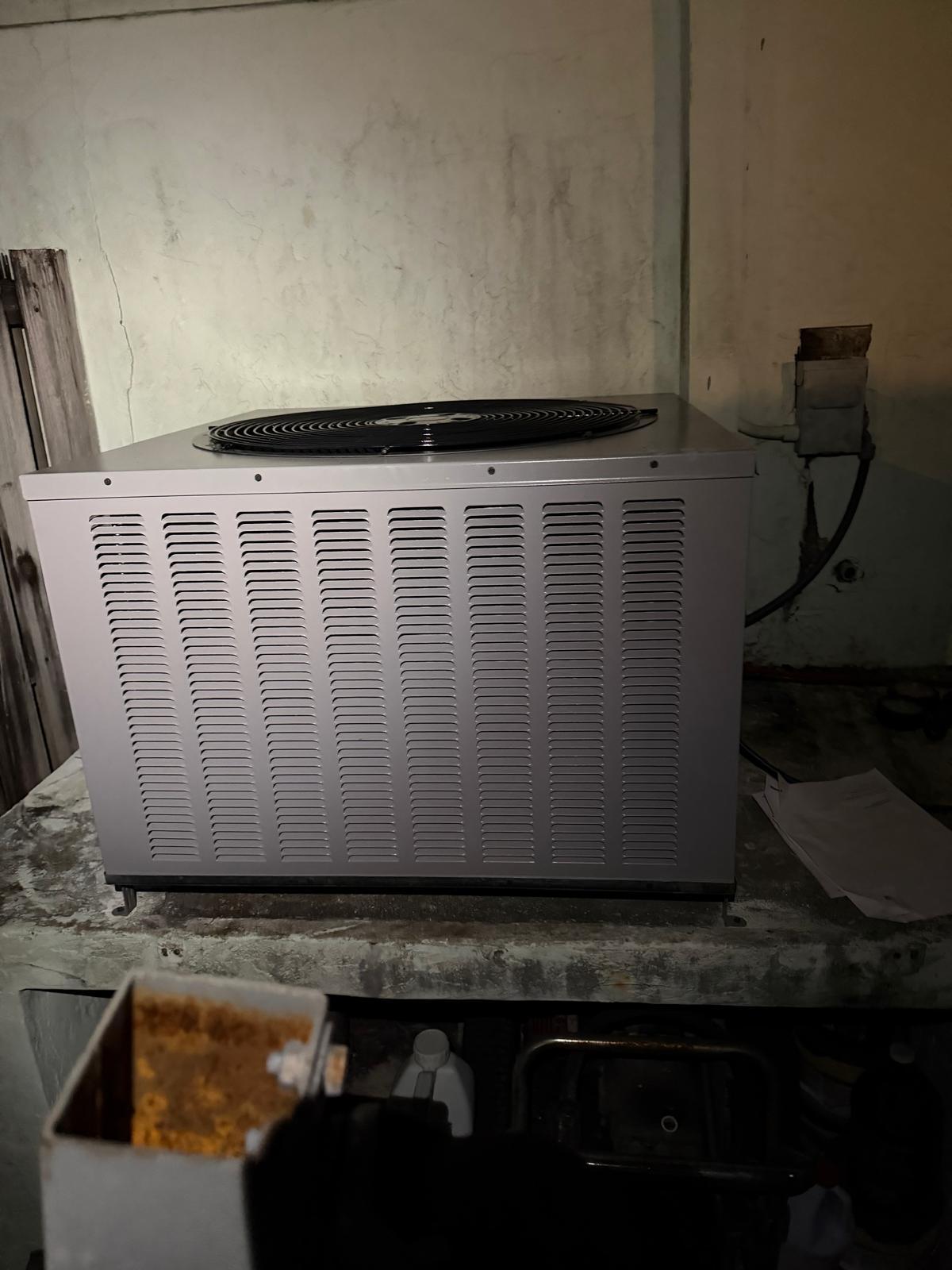
It’s a common scene for homeowners across Dallas, especially when summer’s relentless grip tightens: the air conditioner cycles on, the compressor hums to life, and cool air (hopefully!) begins to filter through the vents. Many assume the compressor, that noisy outdoor unit, is the undisputed king of cooling efficiency. This is where a crucial misconception often begins, leading to unnecessary energy bills, premature system wear, and less-than-ideal indoor comfort. While the compressor works tirelessly, there’s another, often overlooked component doing much of the heavy lifting indoors: your AC system’s blower motor.
Before: Overlooking the Heart of Your Cooling System
The Common Misconception: The Compressor as the Sole Savior
Picture this: a sweltering July afternoon in Uptown Dallas, temperatures soaring well past 100 degrees Fahrenheit. Your AC struggles, and your immediate thought is likely, “My compressor must be failing!” While the compressor is undeniably vital, responsible for circulating refrigerant and initiating the cooling process, it’s just one half of a complex duo. The common oversight is believing that its performance alone dictates your system’s efficiency. Homeowners often neglect the indoor components, particularly the blower motor, leading to a cascade of hidden issues that undermine even the most robust outdoor unit.
The Hidden Costs of Neglect in Dallas Homes
Ignoring the blower motor isn’t just about a slightly warmer home; it translates directly to your wallet and the longevity of your entire HVAC system. Without an efficiently operating blower motor, your air conditioner works harder, longer, and less effectively. This often manifests as:
- Skyrocketing Energy Bills: Studies indicate that an improperly functioning blower motor can increase HVAC energy consumption by up to 15%, a significant burden when battling the intense Texas heat. Your system has to run constantly to reach desired temperatures, consuming more electricity.
- Uneven Cooling and Hot Spots: Ever noticed one room in your Preston Hollow home feeling significantly warmer than another, despite the thermostat being set appropriately? A weak blower motor struggles to distribute conditioned air uniformly, creating uncomfortable temperature differentials.
- Premature System Wear and Tear: When the blower motor isn’t moving air properly, the entire system is put under strain. The evaporator coil can freeze, the compressor works overtime, and components wear out faster, leading to expensive repairs or even early replacement of your entire AC unit.
After: Unveiling the Blower Motor’s Crucial Role
What Exactly Does a Blower Motor Do?
Think of your blower motor as the lungs of your HVAC system. It’s the powerful fan assembly, located within your indoor air handler or furnace, responsible for circulating air throughout your home’s ductwork. After your AC coil cools the air, it’s the blower motor that pushes that conditioned air into every room and pulls stale, warm air back to be re-cooled. Without its consistent and powerful operation, all the sophisticated cooling work done by the compressor would be confined to a single area, never reaching you.
The Anatomy of Efficient Airflow and Its Benefits
A well-maintained blower motor ensures optimal airflow, which is critical for several reasons. Firstly, proper airflow directly correlates with the system’s ability to transfer heat. If air isn’t moving over the evaporator coil efficiently, the heat exchange process is impaired, reducing your AC’s cooling capacity. This is a common issue for homeowners, which is why regular maintenance is so important. Secondly, efficient airflow promotes improved indoor air quality by circulating air through your system’s filters, trapping dust, pollen, and other allergens that often plague Dallas residents. Regular cleaning, like
Our licensed technicians are available 24/7. Same-day service available.Need AC Help Now?
Our Services