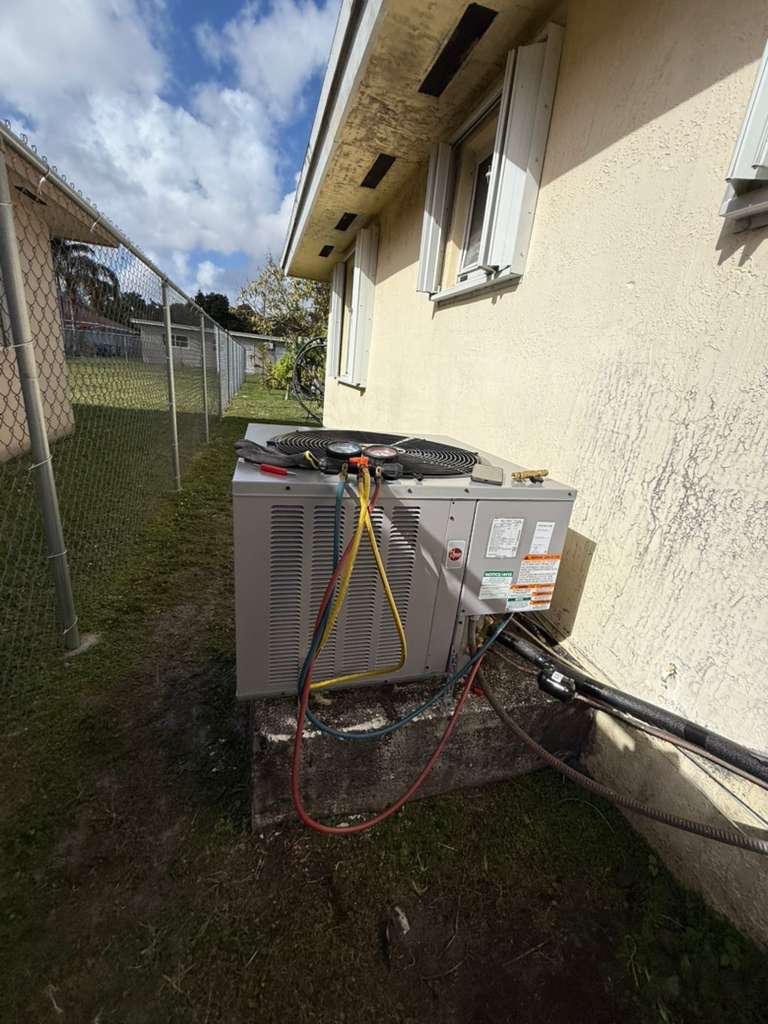
Do you know the silent threat that could be lurking in your Hollywood, FL home, particularly as we move through cooler evenings or rely on heating systems? While the Florida sun often minimizes our heating needs, older furnaces and water heaters are still present and pose a significant, often overlooked danger: carbon monoxide (CO) poisoning. Understanding this risk and taking preventive measures, like installing CO detectors, is not just a recommendation—it’s an essential investment in your family’s safety and well-being.
The Invisible Danger: Understanding Carbon Monoxide
Carbon monoxide is an odorless, colorless, and tasteless gas, making it incredibly insidious. It’s often referred to as the “silent killer” because it can build up to dangerous levels without any noticeable warning signs until it’s too late. When inhaled, CO replaces oxygen in your blood, starving your vital organs of the necessary oxygen to function. This can lead to severe illness, permanent brain damage, and even death.
In homes, CO is typically produced by the incomplete combustion of fuels. Common sources related to your HVAC system include:
- Faulty Furnaces: A cracked heat exchanger in a gas furnace is a primary culprit, allowing exhaust gases containing CO to leak into your living space.
- Water Heaters: Gas water heaters can also produce CO if their ventilation systems are blocked or if they’re not combusting fuel efficiently.
- Blocked Vents/Flues: Any blockage in the exhaust vents or flues of your furnace or water heater can cause CO to back up into your home. This is particularly relevant in Hollywood, where proper venting is crucial for year-round appliance function.
- Gas Appliances: While not strictly HVAC, gas stoves, dryers, and fireplaces can also contribute to CO buildup if not properly vented or maintained.
According to the Centers for Disease Control and Prevention (CDC), accidental CO poisoning sends tens of thousands of people to emergency rooms each year in the U.S., with hundreds dying. Don’t let your Hollywood home become a statistic.
The Real “Cost” of Neglect: Health & Financial Risks
When we talk about “cost,” we often think of dollars and cents. However, the cost of neglecting carbon monoxide safety extends far beyond monetary figures, impacting health, peace of mind, and even the structural integrity of your home’s systems.
Immediate Health Consequences: A Price You Can’t Afford
The immediate health consequences of CO exposure vary depending on the concentration and duration of exposure. Mild symptoms can mimic the flu, including headaches, nausea, dizziness, and fatigue. These often go undiagnosed, making the problem worse. As exposure continues, symptoms escalate to disorientation, vomiting, collapse, and eventually, loss of consciousness and death.
Consider the financial burden of an emergency room visit for CO poisoning. Medical bills for such an incident can quickly run into thousands of dollars, not to mention lost wages from recovery time. The potential for long-term neurological damage, even from non-fatal exposure, represents an incalculable cost in quality of life.
Potential Structural Damage & Replacement Costs
While carbon monoxide itself doesn’t directly damage your home’s structure, the underlying HVAC system malfunction that *produces* CO can. For instance, a severely corroded or cracked heat exchanger in your furnace not only leaks CO but signifies a system nearing its end-of-life. Ignoring this could lead to a complete furnace breakdown, requiring an expensive emergency replacement. Our team at Airus Air Services has seen firsthand how neglected systems can lead to costly repairs that could have been avoided with routine care.
The Smart Investment: Carbon Monoxide Detectors
The solution to this silent threat is incredibly affordable compared to the potential costs of inaction. Carbon monoxide detectors are your vigilant guardians, providing the early warning necessary to prevent tragedy. Just as Airus Air Services in Phoenix focuses on air quality, we emphasize immediate safety for Hollywood residents.
The Cost of a Detector vs. The Cost of a Tragedy
CO detectors are available in various types:
- Battery-Operated: Simple to install, typically costing between $20-$40. Batteries need regular replacement.
- Plug-in with Battery Backup: Offers continuous monitoring even during power outages, usually in the $30-$60 range.
- Hardwired with Battery Backup: Integrated into your home’s electrical system, offering the most reliable power source, often $50-$100+, plus installation costs if not DIY.
All detectors should be UL (Underwriters Laboratories) certified, ensuring they meet rigorous safety standards. When you weigh these minimal costs against the priceless value of human life and the significant expenses associated with medical emergencies or HVAC system failures, the choice is clear. This small investment provides immense peace of mind. For homes in Hollywood, FL, with multiple levels, ensuring comprehensive coverage is key, just as it is for Airus Air Services in San Antonio, ensuring every client has safe indoor air.
Optimal Placement for Maximum Safety
For maximum protection, CO detectors should be installed:
- On every level of your home, including the basement.
- Outside each sleeping area.
- Near or above attached garages.
- At least 15 feet away from fuel-burning appliances (like your furnace or water heater) to prevent nuisance alarms.
Hollywood’s unique climate often means homes are sealed tight for air conditioning efficiency. This makes proper detector placement and regular testing even more critical. Our expertise extends to helping clients understand how best to protect their homes, echoing the dedication of Airus Air Services in Atlanta to comprehensive home safety.
Proactive HVAC Maintenance: Your First Line of Defense
While CO detectors are crucial, they are reactive. Proactive HVAC maintenance services are your first line of defense against CO production. Regular check-ups by a qualified professional can identify and rectify potential CO hazards before they become dangerous. Airus Air Services recommends annual inspections for all gas-burning appliances.
During a professional HVAC tune-up, our technicians perform critical safety checks, including:
- Heat Exchanger Inspection: We meticulously check for cracks or corrosion in your furnace’s heat exchanger, a common source of CO leaks.
- Ventilation System Check: Ensuring all flues and vents are clear and properly connected, preventing exhaust gases from backing up into your home.
- Combustion Analysis: Verifying that your gas-burning appliances are combusting fuel efficiently, reducing CO production.
- Gas Pressure and Burner Adjustments: Proper adjustments ensure safe and efficient operation, minimizing CO output.
These maintenance visits are an investment in preventing emergencies, reducing energy bills, and extending the lifespan of your systems. Don’t wait for an alarm to sound or a problem to arise. Contact Airus Air Services at (954) 627-1752 to schedule your preventative maintenance today. This step is far less costly than a major furnace repair or, worse, a health crisis.
Frequently Asked Questions About CO Detectors & HVAC Safety
Q1: How often should I test my CO detector?
A: Most manufacturers recommend testing your carbon monoxide detector at least once a month using the test button. It’s also a good practice to test them when you change the clocks for daylight saving time.
Q2: Where should CO detectors be placed?
A: Install CO detectors on every level of your home, especially outside sleeping areas. They should be at least 15 feet away from fuel-burning appliances and not directly above or next to combustion sources.
Q3: Can my air conditioning system produce carbon monoxide?
A: No, an air conditioning system itself does not produce carbon monoxide as it operates by moving refrigerant and air, not through combustion. However, the ductwork for your AC might be shared with a furnace, which *can* produce CO if it’s a gas furnace with a fault.
Q4: What should I do if my CO detector goes off?
A: If your CO detector alarms, immediately evacuate everyone from your home and call 911 or your local fire department from a safe location. Do not re-enter until emergency services have deemed it safe. Our
Our licensed technicians are available 24/7. Same-day service available.Need AC Help Now?
Our Services