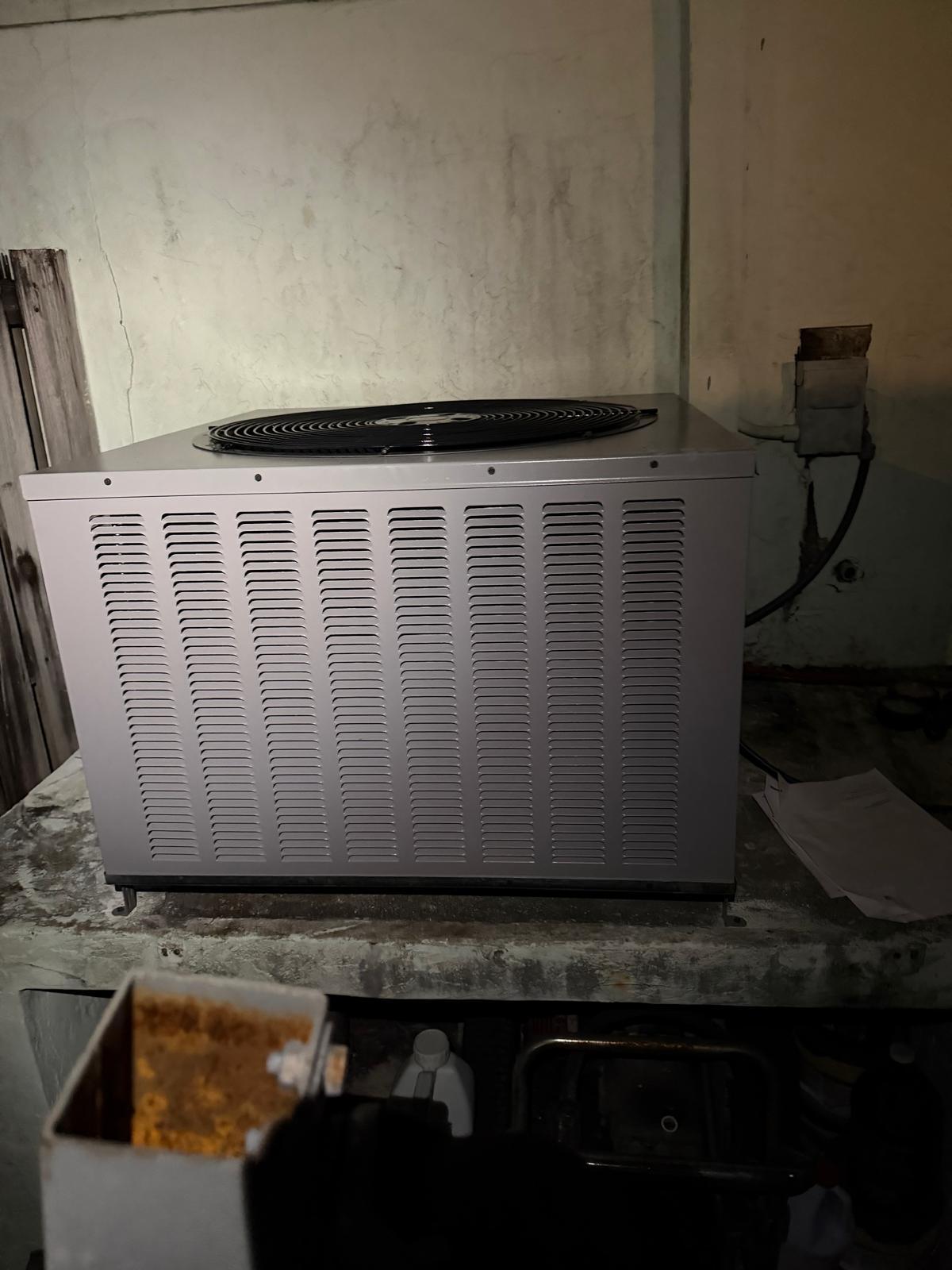
The Impact of Local Humidity on HVAC Performance in Houston Homes: An Ultimate Guide
Did you know that Houston, Texas, often ranks among the most humid major cities in the United States? Its proximity to the Gulf of Mexico means residents consistently grapple with high moisture levels, which can significantly compromise indoor comfort and strain household HVAC systems. Understanding this relationship is not just about avoiding sticky discomfort; it’s crucial for energy efficiency, system longevity, and maintaining a healthy living environment. As an authority in HVAC solutions, Airus Air Services provides this ultimate guide to help you comprehend and mitigate the effects of humidity on your home’s climate control.
Understanding Houston’s Unique Humidity Challenge
Houston’s climate is characterized by its persistent humidity. The average relative humidity typically hovers around 70-80% for much of the year, particularly during the hot summer months. This isn’t just a comfort issue; it’s a structural and mechanical challenge. While an HVAC system is designed to cool and dehumidify, the relentless moisture in areas like River Oaks or The Heights means these units work harder and longer than in drier climates.
The science is straightforward: air conditioning removes both sensible heat (the temperature you feel) and latent heat (the moisture in the air). In highly humid conditions, a significant portion of your HVAC system’s effort is dedicated solely to pulling moisture out of the air before it can even begin to cool effectively. This constant battle against latent heat leads to several performance issues we will explore.
How High Humidity Strains Your HVAC System
The elevated humidity levels in Houston place immense strain on your HVAC unit. Here’s how:
- Increased Runtime: Your AC runs longer attempting to reach the set temperature and humidity level. This leads to accelerated wear and tear on components, shortening the system’s lifespan.
- Reduced Efficiency: When an HVAC system is constantly battling high humidity, its efficiency drops. This means it consumes more energy to achieve the same cooling effect. Data suggests that every 10% increase in relative humidity can make a room feel 1 to 2 degrees Fahrenheit warmer, prompting homeowners to lower their thermostats further, which exacerbates energy consumption.
- Coil Freezing: Excess moisture can cause the evaporator coil to freeze, especially if the refrigerant levels are low or airflow is restricted. A frozen coil cannot absorb heat, leading to a complete loss of cooling capacity.
- Ductwork Compromise: Leaky or uninsulated ductwork, common in older homes near the Museum District, can draw moist, hot air into the system, overwhelming it and reducing overall efficiency. Regular air duct maintenance in Houston is critical to combat this.
The Visible and Invisible Impacts on Your Home
Beyond the HVAC unit itself, Houston’s pervasive humidity has tangible effects throughout your home:
- Mold and Mildew Growth: The warm, moist environment is ideal for fungal growth. This is commonly found on walls, ceilings, and inside ductwork, especially in low-airflow areas. Mold can lead to costly remediation and pose significant health risks.
- Structural Damage: Persistent moisture can warp wooden structures, flooring, and furniture, leading to costly repairs and diminished property value.
- Poor Indoor Air Quality (IAQ): High humidity promotes dust mites, bacteria, and mildew spores, all of which degrade your home’s indoor air quality. This can trigger allergies, asthma, and other respiratory issues for occupants.
- Discomfort: A high humidity level makes the air feel heavy and sticky, preventing the body’s natural cooling mechanism (sweating) from working effectively, even at comfortable temperatures.
Strategies for Optimizing HVAC Performance in Humid Climates
While Houston’s humidity is a constant, homeowners can implement several strategies to ensure their HVAC systems perform optimally:
Utilize Thermostat Settings Effectively
Many modern thermostats feature a “dry mode” or “dehumidify” setting. Using these modes prioritizes moisture removal, even if it means slightly adjusting the cooling cycle. Setting your thermostat to a reasonable temperature, generally between 75-78°F, and letting your system run consistently will allow it to cycle through its dehumidification process more effectively. Avoid drastic temperature changes, as this causes the system to work harder.
Prioritize Professional HVAC Maintenance
Regular, professional maintenance is non-negotiable in a high-humidity environment. This includes annual tune-ups, coil cleaning, refrigerant level checks, and comprehensive system inspections. Proactive maintenance ensures your system is clean, calibrated, and operating at peak efficiency, preventing small issues from escalating into major breakdowns. For our customers seeking reliable air duct services in Dallas, or comprehensive HVAC care, Airus Air Services extends its expertise to keep your system robust.
Consider Supplemental Dehumidification
For homes struggling with extreme humidity, a whole-home dehumidifier integrated into your HVAC system can be a game-changer. These units are specifically designed to remove moisture without overcooling your home, offering superior comfort and efficiency. They can effectively bring indoor humidity levels down to the recommended 40-50% range, regardless of the outdoor conditions in Houston