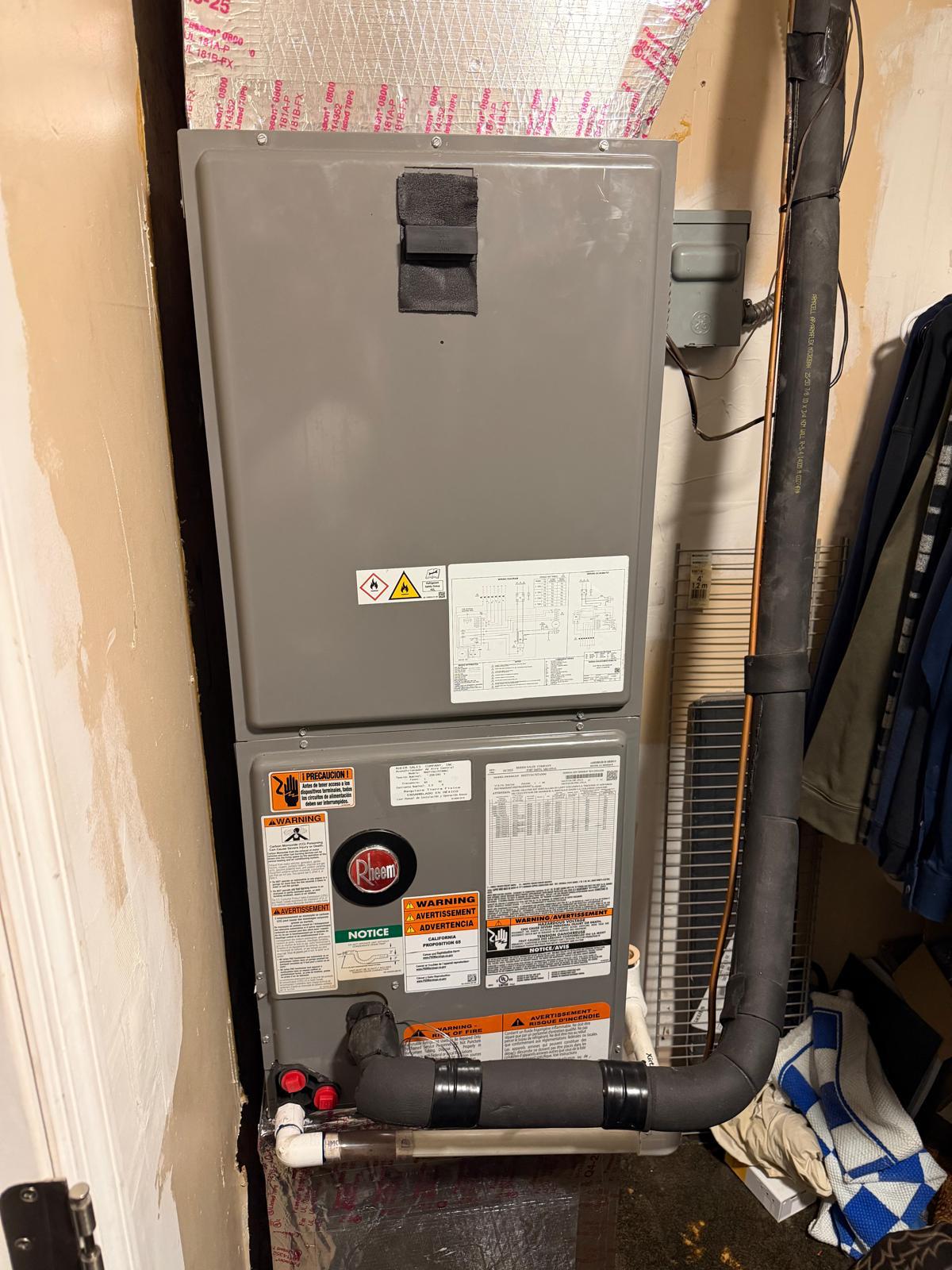
The journey to modern indoor comfort has been a fascinating evolution. For decades, air conditioning systems operated with a simple, ‘all or nothing’ approach. Much like a light switch, they were either fully on or completely off. This foundational technology, while revolutionary in its time, has now given way to sophisticated advancements, particularly with variable-speed AC systems. For homeowners in places like Houston, where the summers are legendary for their heat and humidity, understanding this shift isn’t just about choosing an appliance; it’s about investing in a lifestyle of superior, consistent comfort.
At Airus Air Services, we constantly explore technologies that truly make a difference in your living environment. We know the challenges you face in keeping your home cool and dry, especially when the mercury soars into the 90s and the humidity hovers stubbornly above 70%. Let’s delve into a direct comparison between traditional single-stage AC systems and their modern, variable-speed counterparts, revealing why the latter is quickly becoming the benchmark for comfort in Houston homes.
Single-Stage AC Systems: The On/Off Approach
Traditional single-stage AC units operate at 100% capacity whenever they’re running. Think of it like a car with only two speeds: stopped or full throttle. When your Houston home gets warm, the system kicks on, blasts cold air until the thermostat’s set point is reached, and then shuts off. This cycling continues throughout the day. While effective at cooling, this method comes with inherent drawbacks.
The Discomfort of Cycles and Swings
This on/off operation leads to noticeable temperature swings. You might feel a blast of cold air, followed by a gradual warming period before the unit cycles on again. This constant fluctuation means your comfort is often a compromise, rather than a steady state. Moreover, the abrupt start-up and shutdown cycles can put significant stress on the system’s components over time, potentially leading to more frequent HVAC repair needs. Houston’s relentless heat exacerbates these issues, forcing single-stage units to work harder and cycle more often just to keep up.
Variable-Speed AC Systems: The Gentle & Precise Approach
In stark contrast, variable-speed AC systems are designed for subtlety and precision. Instead of operating at full blast or being off, their compressors and fan motors can adjust their speed to match the exact cooling demands of your home. It’s like having a dimmer switch for your comfort. If your home only needs a little cooling, the system runs at a lower speed; if the heat is intense, it ramps up gradually.
Unrivaled Comfort and Dehumidification
This continuous, lower-speed operation is a game-changer for comfort, particularly in Houston’s humid climate. Because the system runs for longer periods at lower speeds, it doesn’t just cool the air; it also significantly improves dehumidification. According to the EPA, for every 2-degree reduction in indoor humidity, your body feels approximately 1-degree cooler. Imagine a summer day where your home isn’t just cool, but also feels genuinely dry and crisp – no more clammy skin or musty odors. This consistent operation helps maintain a uniform temperature throughout your home, eliminating those uncomfortable hot and cold spots.
Energy Efficiency: Saving You Money
Beyond comfort, variable-speed technology offers substantial energy savings. A traditional single-stage unit consumes the most energy during startup. Since variable-speed systems run for longer durations at lower speeds, they avoid frequent, high-energy startups. Energy Star estimates that variable-speed compressors can be up to 60% more efficient than single-stage models. For Houston homeowners facing extended cooling seasons, these savings can translate into hundreds of dollars annually on electricity bills. This is a critical advantage for managing household budgets, especially considering the long-term investment in your home’s HVAC infrastructure. You can trust Airus Air Services to help you explore the best energy-efficient solutions for your specific needs, whether it’s understanding AC installation expertise or maintaining your current system.
Quiet Operation and Improved Air Quality
Another often-overlooked benefit is noise reduction. Single-stage units can be quite loud when they kick on. Variable-speed systems, by operating at lower, more consistent speeds, are significantly quieter. You’ll barely notice they’re running. Furthermore, the longer run times mean air passes through your filtration system more frequently, leading to improved indoor air quality. This continuous air circulation can help reduce allergens, dust, and other airborne particulates, making your home a healthier environment. For comprehensive indoor air quality, consider integrating professional duct cleaning services into your maintenance routine.
Extending System Lifespan and Reliability
The constant on/off cycling of single-stage units puts significant wear and tear on components like the compressor. Variable-speed systems, with their gentler operation, experience less stress. This reduced strain often translates to a longer operational lifespan for the unit and fewer breakdowns. Regular AC maintenance, however, remains essential for any system type to ensure peak performance and longevity.
Whether you’re in the busy Houston Heights area, the family-friendly suburbs of Sugar Land, or any community dealing with Houston’s unique climate challenges, embracing variable-speed technology offers a path to truly superior home comfort. And for residents across the nation, whether it’s general HVAC expertise from Airus Air Services in Hollywood, FL, or specialized services like Airus Air Services in Houston, Airus Air Services in Dallas, or Airus Air Services in Chicago, our commitment to comfort and efficiency remains steadfast.
Frequently Asked Questions About Variable-Speed AC Systems
Q1: Are variable-speed AC systems more expensive upfront?
A1: Yes, variable-speed systems typically have a higher initial cost compared to single-stage units. However, the energy savings and enhanced comfort often lead to a lower total cost of ownership over the system’s lifespan.
Q2: How much can I really save on energy bills with a variable-speed unit in Houston?
A2: Savings vary based