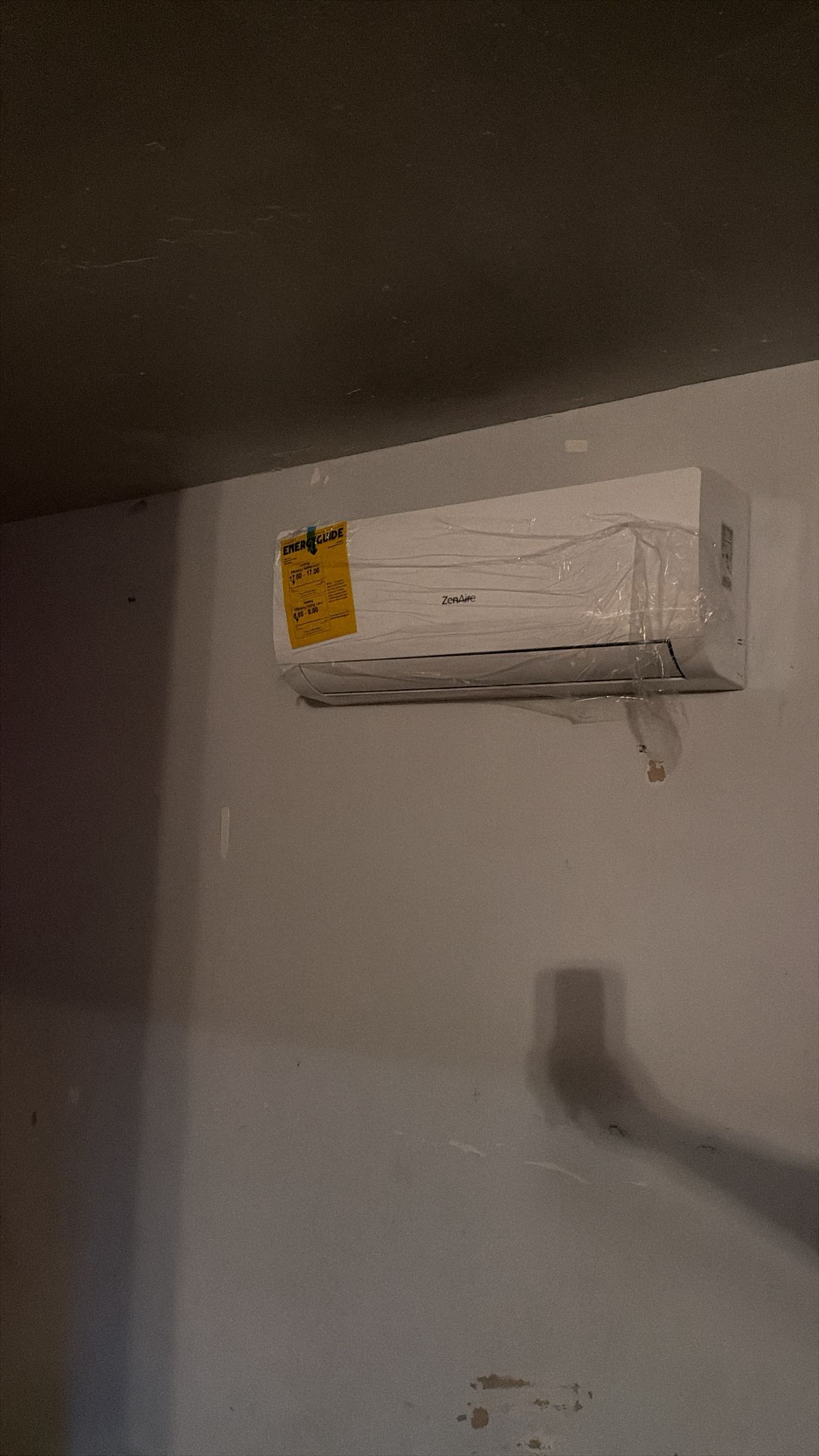
The pursuit of indoor comfort is a cornerstone of modern living, a quest particularly pronounced in the balmy, humid climate of Hollywood, FL. Air conditioning, a marvel of 20th-century engineering, brought immense relief from the relentless heat. Yet, with this convenience came an unforeseen adversary: mold. Born from the very conditions AC units create—cool surfaces and trapped moisture—mold growth within these systems is a prevalent, silent threat, turning our havens into potential health hazards. This guide, from your trusted HVAC experts at Airus Air Services, dissects the crucial differences between neglect and vigilance in preventing AC mold, offering a straightforward, no-nonsense approach for Hollywood homeowners.
Ignoring Early Signs vs. Proactive Problem Identification
In Hollywood’s consistently high humidity, an AC system constantly battles moisture. A common scenario sees homeowners dismissing subtle warning signs like a musty odor or a slight dip in cooling efficiency, attributing it to the system’s age or heavy usage. This negligence allows microscopic mold spores, abundant in South Florida’s air, to colonize unnoticed. For example, if your home near Hollywood Beach develops a persistent mildew smell, it’s not just a benign “Florida smell”—it’s often a red flag from your AC.
The Airus Air Services Difference: A proactive homeowner, in contrast, recognizes that early detection is paramount. Regular visual inspections of the accessible parts of your indoor AC unit and condensate pan can reveal visible mold growth or excessive standing water. Listen for unusual noises or notice any sudden spikes in your energy bill. These are critical indicators that warrant immediate attention. Airus Air Services regularly reminds homeowners that ignoring these early signs is akin to allowing a small leak to become a flood, often escalating into costly and extensive remediation. Early detection can save homeowners up to 30% in potential repair costs compared to reactive measures.
Neglecting Filter Changes vs. Consistent Airflow Management
Many Hollywood residents overlook the basic, yet vital, task of regularly replacing their AC air filters. A dirty filter restricts airflow, forcing your AC unit to work harder, which can lead to coil freeze-ups. This frozen condensation then melts, creating an ideal, damp environment within your air handler for mold spores to thrive. The contrast is stark: a filter caked with dust and debris, struggling to draw air, versus a clean filter allowing efficient circulation and particulate removal.
A Practical Approach: Airus Air Services recommends changing filters every 30-90 days, depending on factors like pet ownership, allergies, and system usage—especially critical during Hollywood’s peak cooling seasons. A clean filter ensures optimal airflow, reduces the strain on your system, and prevents the moisture buildup that facilitates mold. Think of it as your first line of defense; an inefficient filter not only promotes mold but also circulates those spores throughout your home, impacting indoor air quality. Companies that excel in managing complex indoor air quality challenges, such as Airus Air Services in Los Angeles, understand the ripple effects of poor filtration, a lesson equally applicable to homes here in Broward County.
Blocked Condensate Drain Lines vs. Clear Drainage Pathways
A common culprit in AC mold growth is a clogged condensate drain line. As your AC cools, it removes humidity from the air, producing condensate (water) that typically drains away through this line. When this line gets obstructed by algae, sludge, or debris—a frequent occurrence in humid climates like ours—water backs up, overflows the condensate pan, and creates stagnant pools. This standing water provides the perfect breeding ground for mold directly within your AC unit’s most critical components.
Preventative Action: A diligent homeowner will understand the importance of clear drainage. You can proactively pour a cup of distilled vinegar mixed with water down your condensate line every few months to inhibit algae growth. Alternatively, trust professionals for timely AC repair services and maintenance, which include inspecting and clearing these lines. The consequence of neglect is often severe, leading to water damage to ceilings or walls, and pervasive mold necessitating costly remediation. Effective prevention of drain line clogs is as crucial in Hollywood as it is for the intricate HVAC systems handled by experts like Airus Air Services in Dallas, where efficient water management is key to system longevity.
Skipping Professional Maintenance vs. Annual HVAC Tune-ups
Many homeowners in Hollywood adopt a “don’t fix it if it ain’t broke” mentality toward their AC system, foregoing annual professional maintenance. This reactive approach allows small issues—such as minor leaks, deteriorating insulation, or refrigerant deficiencies—to go undetected and worsen, inevitably leading to situations ripe for mold growth. An inefficient AC struggles to dehumidify properly, leaving excessive moisture in the air and within the unit itself.
The Expert Recommendation: Airus Air Services unequivocally advocates for annual HVAC tune-ups. During a comprehensive maintenance visit, our technicians inspect and clean coils, check refrigerant levels, test electrical components, and ensure proper drainage and insulation. This proactive service not only identifies potential mold precursors but also optimizes system performance, reduces energy consumption, and extends the lifespan of your unit. This level of expert care is standard across Airus Air Services operations, from routine check-ups in Hollywood to specialized services like those offered by Airus Air Services in Chicago, emphasizing preventative action over costly emergency repairs. For dependable maintenance and peace of mind, contact Airus Air Services at (954) 627-1752.
Relying on Temporary Fixes vs. Lasting Dehumidification Solutions
In response to persistent humidity and potential mold, some homeowners resort to temporary measures like running portable dehumidifiers or using air fresheners, without addressing the root cause within the AC system. These stop-gap solutions might mask symptoms but do nothing to prevent mold from reoccurring or spreading unseen inside the AC unit and ductwork, especially in Hollywood’s notoriously high outdoor humidity, often exceeding 75% for significant parts of the year.
Strategic Dehumidification: For lasting prevention, homeowners must ensure their AC is correctly sized and operating efficiently to adequately remove humidity. An undersized unit can’t cope, while an oversized one cycles too quickly, failing to properly dehumidify. Consider a whole-home dehumidifier integrated with your HVAC system for superior humidity control, especially if you notice condensation on windows or clammy air around Young Circle or Dania Beach. This is a crucial, expert-level insight: proper humidity control isn’t just about comfort; it’s about denying mold its primary growth factor.
Frequently Asked Questions About AC Mold Prevention
Q1: How quickly can mold grow in my AC system?
A1: Given the right conditions—moisture, warmth, and organic material—mold can begin to grow within 24-48 hours. In humid Hollywood, FL, these conditions are often present.
Q2: Is AC mold dangerous to my health?
A2: Yes, exposure to mold spores can trigger allergic reactions, asthma attacks, respiratory issues, skin irritation, and other health problems, particularly for sensitive individuals, children, and the elderly.
Q3: Can I clean AC mold myself?
A3: For minor, superficial mold growth on easily accessible parts (like the condensate pan), you might be able to clean it with a diluted bleach solution or vinegar. However, for extensive growth, mold within ductwork, or if you suspect it on coils, it’s best to call Airus Air Services for professional inspection and cleaning to avoid spreading spores