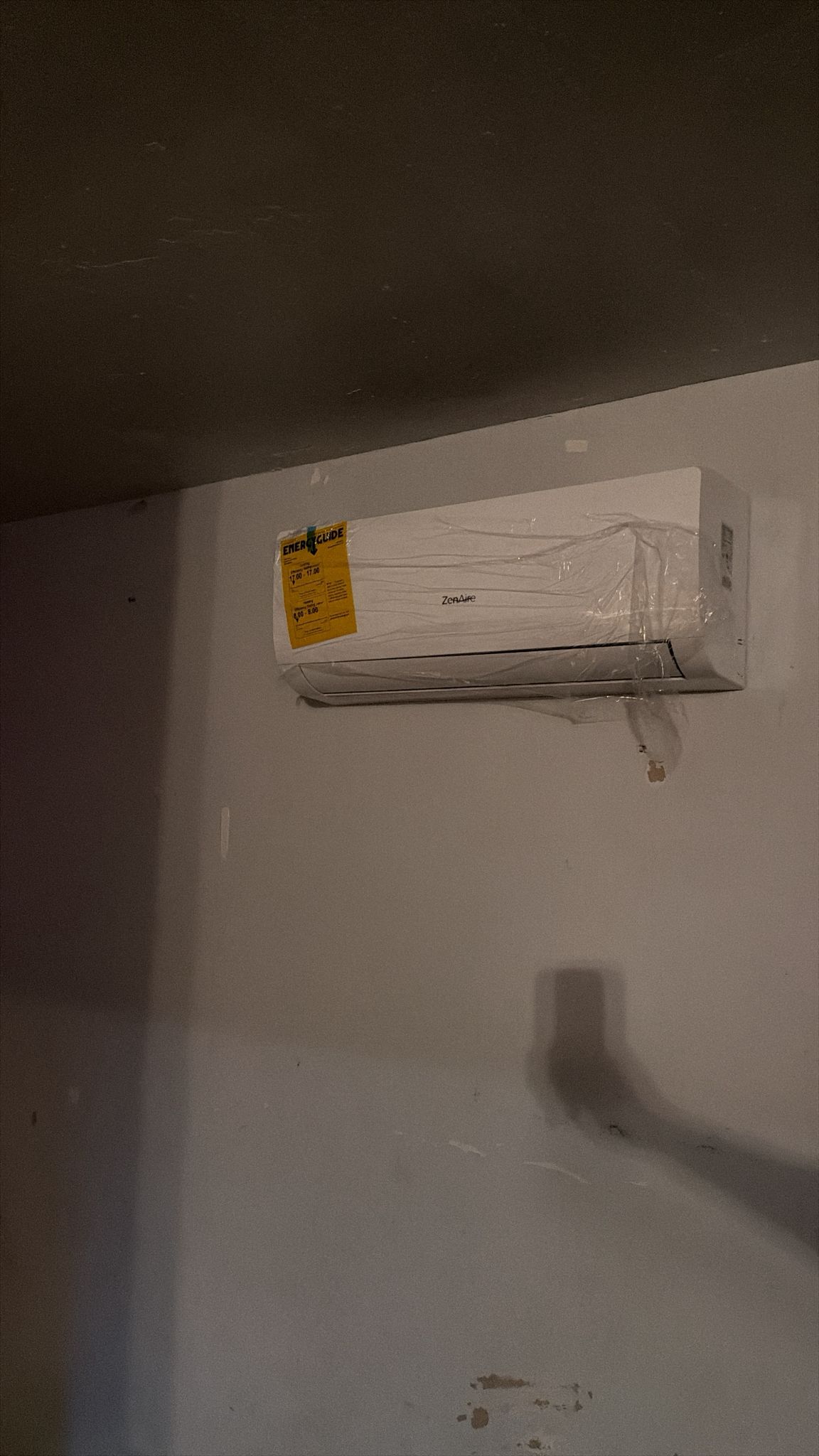
Let’s be blunt: choosing an HVAC system for your San Antonio home isn’t just about comfort; it’s a battle against Texas heat and, increasingly, against your monthly energy bill. Many homeowners cling to the familiar roar of a traditional AC, but what if there’s a quieter, more efficient warrior ready to save you hundreds, even thousands, over time? For San Antonio residents, the choice between a heat pump and a traditional air conditioner with a furnace is more critical than ever, influencing everything from your daily comfort in Alamo Heights to your energy consumption in Stone Oak.
As experts in creating comfortable indoor environments, Airus Air Services understands the unique climate challenges you face. From the sweltering humidity that often clings to the Riverwalk in August to the unexpected cold snaps that can hit hard in January, your home’s heating and cooling system works overtime. Navigating these options can feel overwhelming, but we’re here to break down the cost-benefit analysis with clear, empathetic insight.
Initial Investment: A Closer Look
The sticker price is often the first hurdle homeowners consider, and it’s a significant one. While no two installations are exactly alike, especially with factors like ductwork condition and home size, we can provide a general overview.
Traditional AC & Furnace System
- Upfront Cost: A traditional split system, consisting of a central air conditioner and a separate gas furnace, typically ranges from $4,000 to $8,000 for installation. Factors like brand, SEER rating, and existing ductwork condition can push this higher. For those in older San Antonio homes with aging systems, significant upgrades to HVAC installation or electrical panels might add to this cost.
- Pros: Generally lower initial installation cost compared to heat pumps. Gas furnaces are highly effective at producing intense heat quickly, which can be comforting during sudden cold fronts, a consideration for those few weeks of true winter chill San Antonio experiences.
- Cons: Requires two separate systems for heating and cooling. Fuel costs for natural gas can fluctuate, and the efficiency of older furnaces might be surprisingly low.
Heat Pump Systems
- Upfront Cost: Heat pumps tend to have a higher initial installation cost, often ranging from $5,000 to $10,000 or more. This is because they combine both heating and cooling functions into a single unit, requiring more advanced components and slightly more complex installation.
- Pros: Consolidates heating and cooling into one system, simplifying maintenance. Can potentially be eligible for federal tax credits or local utility rebates, significantly offsetting the initial investment.
- Cons: Higher initial cost. Performance can be less efficient in extremely low temperatures (below 30°F), though modern cold-climate heat pumps are rapidly improving. San Antonio’s mild winters, however, make this less of a concern.
Operating Costs: The Everyday Savings
Beyond the initial spend, the real long-term impact