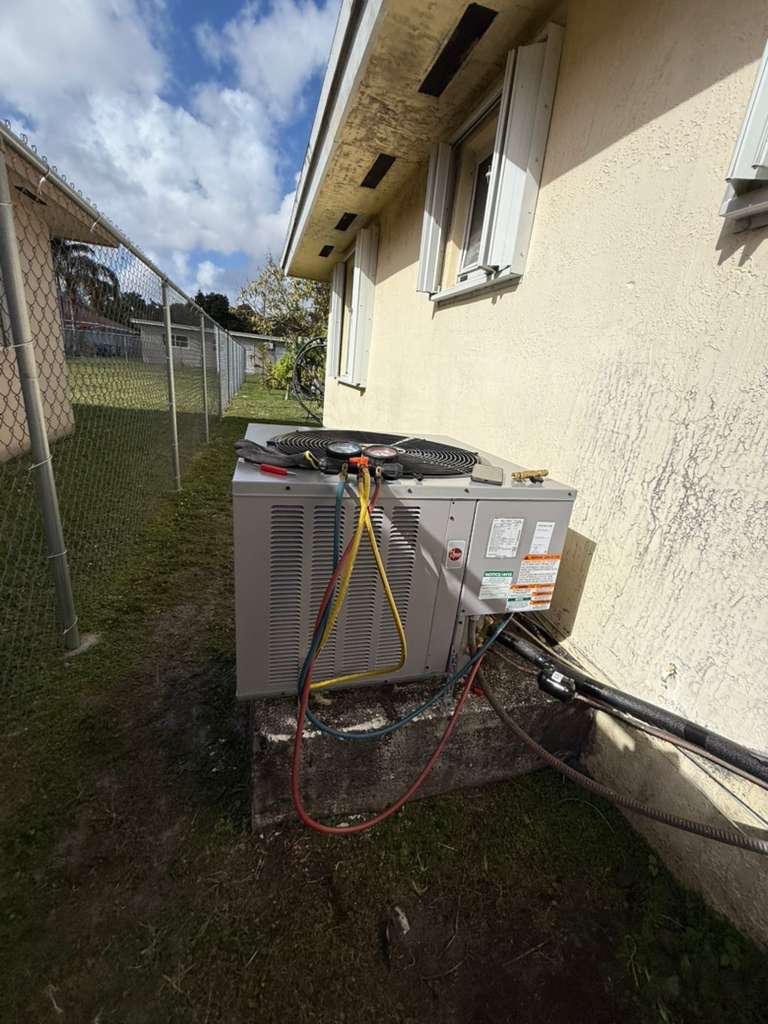
The sweltering Dallas summer hits, or an unexpected cold snap sweeps through North Texas, and suddenly your HVAC system decides to sputter, wheeze, or worse, completely shut down. That familiar pang of dread hits: “Is this a simple fix, or am I looking at a total replacement?” The pressure mounts instantly, especially with scorching 100-degree days looming or freezing temps outside. You need to make a critical financial decision, and you need to make it *now* before your home becomes unbearable. There’s no time for endless deliberation; every hour counts when your comfort—and budget—hang in the balance. Understanding your HVAC system’s “payback period” is paramount, helping you cut through the anxiety and make an informed, urgent choice.
What is the HVAC Payback Period, and Why Does it Matter Now?
The HVAC payback period is simply the time it takes for the savings from a new, more efficient HVAC system to offset its initial replacement cost. In other words, how long until the money you save on energy bills equals the money you spent on the new unit? For homeowners in Dallas, from the bustling neighborhoods around Uptown to the quiet streets of Plano, this isn’t just an academic exercise. It’s a vital tool for immediate decision-making. Your current, failing system is likely hemorrhaging energy, driving up bills dramatically. Delaying action only prolongs this financial drain. A swift, data-driven decision means you stop the bleed faster, reclaim comfort, and prevent further expenses.
Understanding the Urgent Cost of Inefficiency
An aging HVAC system, particularly one over 10-15 years old, operates at significantly lower efficiency. For instance, a 10-year-old 10 SEER (Seasonal Energy Efficiency Ratio) unit costs nearly 50% more to operate than a modern 15 SEER system. In Dallas’s extreme climate, where air conditioning can account for up to 60% of summer utility bills, that inefficiency is a massive, ongoing expense. When your unit starts faltering, those costs skyrocket further due to breakdowns and diminished performance. It’s a financial hole that deepens with every passing day.
When Should You Urgently Consider Repairing Your HVAC System?
Time is of the essence, but a repair might be the immediate, cost-effective solution if your situation fits certain criteria. The goal is to quickly restore comfort without significant long-term financial detriment.
- Minor Component Failure: If the issue is a relatively isolated component like a faulty capacitor, a tripped circuit breaker, or a clogged drain line, a quick repair by Airus Air Services is often the best choice. These fixes typically don’t point to systemic failure and are much less costly than a replacement.
- Age is on Your Side: If your HVAC system is relatively young—say, less than 8-10 years old—and has been well-maintained, a repair is usually more justifiable. The likelihood of a cascading series of failures is lower, meaning this one fix won’t lead to another expensive one next month.
- Affordable Repair Costs: A general rule of thumb for Dallas homeowners: if the repair cost is less than 30-40% of the cost of a new system, it’s worth considering. Anything beyond that threshold begins to eat into potential future replacement savings, especially given how rapidly HVAC technology and efficiency ratings improve.
- Excellent Maintenance History: Systems that have received consistent Dallas HVAC maintenance from professionals tend to be more reliable. If your unit has a pristine service record, a single issue is less indicative of its impending demise.
For urgent repair services, you can always count on the expertise of Airus Air Services in Dallas to diagnose and fix the problem swiftly, restoring your home’s comfort without delay.
When Does Urgent Replacement Become the Only Logical Option?
Sometimes, delaying the inevitable is a more expensive decision in the long run. When certain red flags appear, a full HVAC system replacement becomes the most financially sound, and ultimately, most comfortable path forward. This is where the payback period argument truly shines.
- Beyond Its Lifespan: Most HVAC systems are designed to last 10-15 years. If your unit is approaching or has exceeded this age, especially through brutal Dallas summers and the occasional unexpected freezing temperatures, it’s on borrowed time. Major repairs at this stage are often stop-gap measures.
- Frequent Breakdowns: Is your system failing multiple times a season? Constantly needing professional AC repair in Dallas? These frequent calls aren’t just an inconvenience; they signal systemic issues and mounting repair costs that quickly eclipse the investment in a new unit.
- Soaring Energy Bills: Even with maintenance, if your energy bills are consistently high despite moderate usage, your old system is likely struggling to maintain desired temperatures. Replacing it with a high-efficiency model (15+ SEER) can lead to immediate and substantial savings, quickly shortening the payback period.
- Costly Repairs: If a single repair quotes at 50% or more of the cost of a new system, it’s a clear indicator for replacement. Throwing money at an old, inefficient unit that’s already breaking down frequently is financially unsound.
- Uneven Temperatures: Are some rooms perpetually hot while others are freezing, even after a Dallas air duct cleaning? This often points to an undersized or improperly functioning system that can’t keep up, particularly in sprawling North Texas homes.
Considering a full replacement often leads to significantly lower energy bills, improved indoor air quality, and the peace of mind that comes with a new warranty. Our technicians at Airus Air Services can provide a detailed assessment.
Calculating Your HVAC Payback Period: Act Decisively!
Don’t wait; perform a quick calculation to guide your urgent decision. Compare the projected annual energy savings of a new, high-efficiency system against its upfront installation cost (minus any immediate repair expense). For example, if a new system costs $7,000 and is estimated to save you $700 annually on energy bills (a conservative estimate for many Dallas homes replacing older units), your payback period is 10 years. If your old system is already 12 years old and needs a $2,500 repair, that replacement makes sense immediately. The effective “payback” for making the right call is often just a few short years when you factor in avoided repair costs and dramatically reduced energy consumption. This analysis gives you the urgent clarity you need to move forward confidently. The skilled team at Airus Air Services (954) 627-1752 can help you gather the necessary data to make this critical comparison.
Frequently Asked Questions About HVAC Decisions in Dallas
Q1: How much energy can a new HVAC system save me in Dallas?
A: Upgrading from an older 8-10 SEER unit to a modern 16-18 SEER system can often reduce your cooling costs by 30-50% annually. With Dallas’s intense summer heat, these savings translate into hundreds of dollars each year, significantly impacting your payback period.
Q2: Does financing make replacement more appealing?
A: Absolutely. Many homeowners in areas like Oak Cliff or Lake Highlands leverage financing options, converting a large upfront cost into manageable monthly payments. If your monthly energy savings exceed your financing payment, your new system is effectively paying for itself from day one.
Q3: What role does SEER rating play in my decision?
A: The SEER (Seasonal Energy Efficiency Ratio) rating is crucial. Higher SEER ratings mean greater energy efficiency. While higher SEER units have a higher initial cost, their energy savings quickly justify the investment, especially in climates like Dallas where units run for extended periods. Consider it a direct path to a faster payback. HVAC experts in Houston also prioritize SEER ratings for similar reasons.