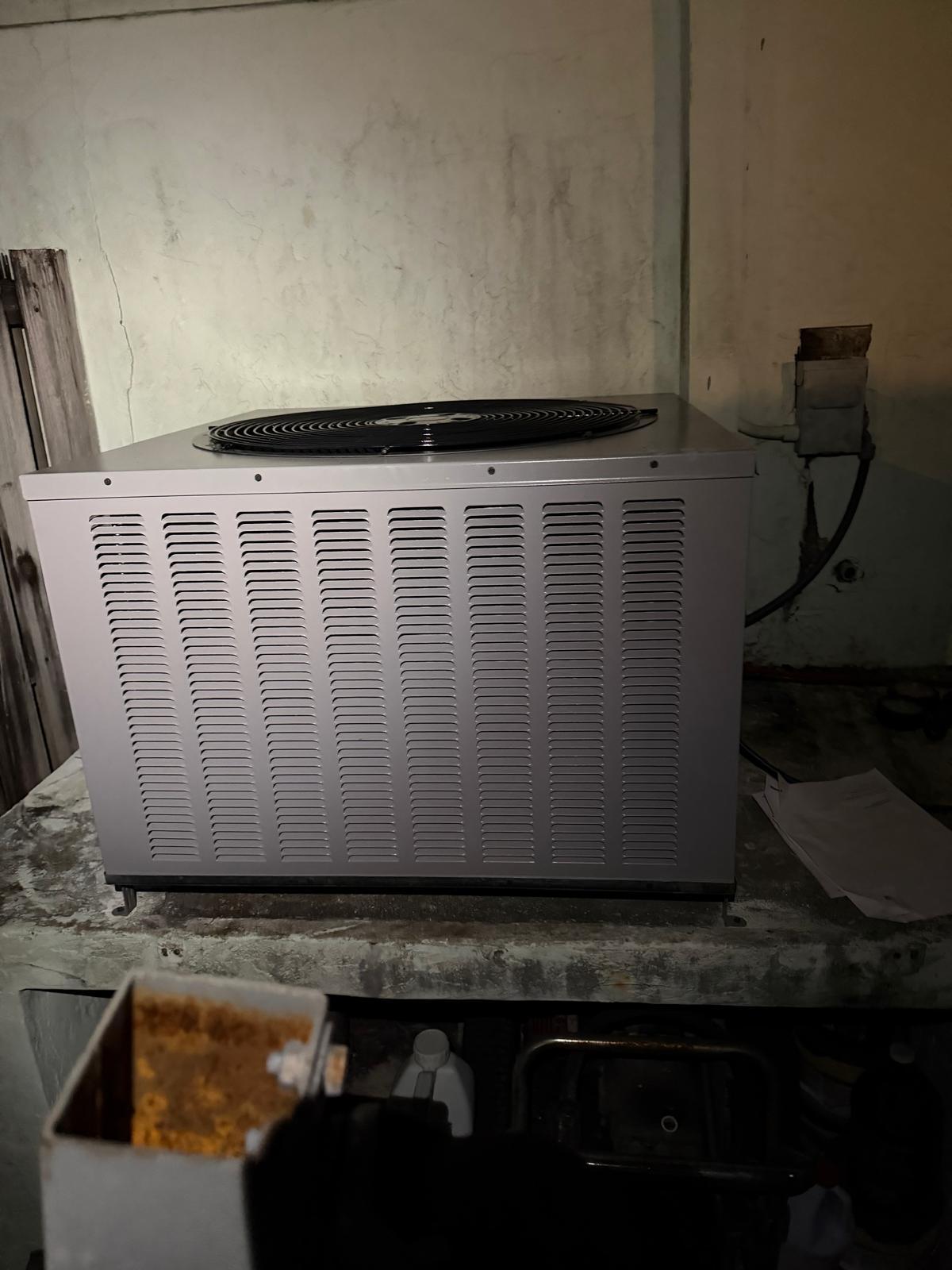
Did you know that a common, seemingly minor AC noise could be a flashing red light for a much bigger problem brewing in your Hollywood home’s HVAC system? Ignoring these auditory alerts is a gamble you absolutely cannot afford, especially with our relentless South Florida humidity and soaring summer temperatures. What might sound like a faint whistle, a sudden bang, or a persistent rattle could be the early warning signs of a system breakdown, leading to costly repairs and, even worse, a stiflingly hot and uncomfortable home environment when you need your AC the most.
The Silent Threat: Why AC Noises Can’t Be Ignored
In a vibrant city like Hollywood, FL, where residents value comfort and convenience, a malfunctioning air conditioning system is more than just an inconvenience; it’s a disruption to daily life. From the bustling streets of Downtown Hollywood to the tranquil neighborhoods along the Intracoastal, our homes rely on dependable AC to keep the oppressive heat and humidity at bay. These strange AC noises aren’t just random sounds; they are the “voice” of your HVAC system trying to communicate a distress signal. Understanding these sounds is your first line of defense against complete system failure.
The Cost of Silence: What Happens When You Wait
Procrastinating on AC issues is a recipe for disaster, particularly in the tropical climate of Hollywood, where your AC unit works overtime. Small problems, when left unaddressed, have a nasty habit of escalating rapidly. A loose fan belt might seem minor, but if it leads to the fan motor overheating, you’re looking at a repair bill that dwarfs the initial cost of a simple belt replacement. Similarly, a minor refrigerant leak, if not caught early, can strain the compressor, eventually leading to its complete failure – a repair that can cost thousands. In Hollywood, where summer temperatures frequently breach 90°F and humidity levels often exceed 80%, an inoperable AC is not just uncomfortable; it can pose health risks, especially to vulnerable populations.
HVAC System Components and Their Sound Signatures
Every component in your HVAC system has a specific role, and when something goes awry, it often manifests as a distinct sound. Recognizing these sounds can help you pinpoint the potential problem area, even before a technician arrives. Understanding the basics empowers you to make informed decisions and communicate effectively with your HVAC professional.
- The Blower Motor: This is the powerhouse that circulates conditioned air throughout your home. If it’s struggling, you might hear whining, grinding, or squealing noises. A failing motor can lead to uneven cooling or no air circulation at all.
- The Compressor: The heart of your AC unit, located in the outdoor condenser. This is where refrigerant is compressed. Unusual noises here can range from buzzing and humming to a loud banging or clanking, often indicating serious internal damage.
- The Fan: Both the indoor and outdoor units have fans. A rattling sound might suggest a loose fan blade, while a screeching noise could point to a worn-out bearing.
- Refrigerant Lines: Issues with refrigerant pressure can sometimes produce hissing or bubbling sounds, especially if there’s a leak.
- Ductwork: While not part of the AC unit itself, your ductwork can also contribute to strange noises. Whistling sounds can indicate leaks or blockages, while rattling might suggest loose connections or debris. If you’re noticing significant air leaks within your ductwork, it’s crucial to consider professional Airus Air Services in Los Angeles to ensure optimal airflow and efficiency across your entire system.
Decoding the Symphony of AC Disasters: Specific Sounds and Their Causes
Let’s dive into the specific noises that should send you reaching for your phone. These are the sounds that indicate immediate attention is required. In the context of Hollywood’s climate, where consistent cool air is a necessity, ignoring these sounds is simply not an option. A malfunctioning unit under strain can also lead to increased energy bills, an unwelcome expense for any Hollywood resident.
The Whistle: A Breath of Danger
A persistent whistling sound from your AC unit, particularly noticeable when it’s running, is often more serious than it sounds. This isn’t the gentle hum of normal operation. Instead, it frequently signals a problem with airflow or a refrigerant leak. If the whistle is coming from the indoor vents, it could indicate that the air filter is severely clogged, forcing air through narrower openings and creating a high-pitched sound. However, if the whistle is accompanied by a loss of cooling, it strongly suggests a refrigerant leak. Refrigerant is essential for the cooling process, and a leak means your system cannot effectively remove heat and humidity from your home. Furthermore, a loss of refrigerant can lead to the compressor overheating, causing significant internal damage. The pressure imbalances created by these leaks can also cause further stress on other components.
- Air Filter Malfunction: A clogged air filter restricts airflow. As air is forced through, it can create a whistling effect, especially at higher fan speeds. While this is a relatively easy fix (replacing the filter), if ignored, it puts excessive strain on the blower motor.
- Refrigerant Leak: This is the more critical cause. The sound might originate from the outdoor unit or within the walls where refrigerant lines run. Low refrigerant levels mean the system has to work harder and hotter, leading to potential compressor failure and costly repairs. Refrigerant is also a hazardous substance, and leaks should be addressed immediately by a qualified technician.
- Loose Components: In rare cases, a very thin, vibrating component or a small opening in the casing could produce a whistling sound. However, the likelihood of a leak or filter issue is significantly higher.
If you hear a whistle, the urgency level is high. A simple fix might be an air filter, but the possibility of a refrigerant leak requires professional intervention. At Airus Air Services, we understand the critical nature of these sounds. Our trained technicians can quickly diagnose whether it’s a simple fix or a sign of a more profound issue threatening your cooling capabilities.
The Bang/Clank: A Forceful Complaint
A sudden bang or clanking sound, especially during startup or shutdown, is almost always a sign of mechanical trouble within the unit. This isn’t a gentle suggestion; it’s a loud, alarming noise that demands immediate attention. These sounds often indicate that a critical component is loose, misaligned, or on the verge of catastrophic failure. For instance, a loose fan blade hitting the inside of the fan housing can create a violent banging. Similarly, internal problems within the compressor, such as damaged pistons or valves, can result in severe clanking noises. If the compressor is the source of the bang, it often signifies that it’s struggling immensely and could be on the brink of seizing up entirely. This is a particularly costly component to replace, so addressing the noise promptly is paramount.
- Loose Fan Blades: A fan blade that has come loose can strike the fan housing with each rotation, creating a rhythmic banging. This can cause imbalance and further damage to the motor shaft.
- Compressor Issues: This is a major concern. Internal components of the compressor, like valves or pistons, can break or become dislodged, leading to loud clanking or banging. If your compressor is making these noises, it’s highly probable that a complete system shutdown is imminent.
- Loose Motor Mounts: If the motor itself is not securely fastened, it can vibrate excessively and even move enough to cause banging against other parts of the unit.
- Debris in the Blower: While less common for a distinct bang, significant debris lodged in the blower assembly could cause it to become unbalanced and create knocking sounds as it rotates.
A banging or clanking AC unit is not something to monitor. It’s a direct indicator of mechanical stress. The potential for severe damage to the compressor or motor makes this a top-priority issue. Continuing to run a system with these noises is akin to driving a car with a broken engine part – you’re accelerating toward a much larger, more expensive problem.
The Squeal/Screech: A High-Pitched Distress Call
A high-pitched squeal or screech, especially when the AC starts or changes cycles, often points to problems with motors, particularly the fan motor or the compressor motor. These sounds are typically caused by friction due to a lack of lubrication or worn-out bearings. In the dry, sometimes dusty conditions that can occur even in humid Florida, lubrication is key to keeping these moving parts functioning smoothly. A squealing blower motor can reduce airflow, leading to poor cooling and making your system work harder. However, if the squeal is coming from the compressor, it signifies internal friction and heat buildup. If the bearings in the compressor seize up due to lack of lubrication or wear, the entire compressor can fail. This is an exceptionally expensive component, and catching the squeal early can potentially prevent its demise.
- Worn Motor Bearings: The bearings in motors allow for smooth rotation. When they wear down or lose lubrication, they create friction and emit a squealing or screeching sound.
- Dry or Damaged Belts (for older units): While many modern AC units use direct-drive motors, some older models rely on belts to turn the blower. A dry, worn, or improperly tensioned belt can produce a high-pitched squeal, similar to a car’s serpentine belt.
- Lubrication Issues: Many small motors in HVAC systems require periodic lubrication. If these points dry out, friction increases, leading to noise.
Don’t let a squeal go unaddressed. It’s a clear warning that a critical motor is under stress. Addressing lubrication or worn bearings early can save you the significant expense of replacing an entire motor, particularly the compressor.
The Hissing or Bubbling: A Leak in the System
Hissing or bubbling sounds, especially if they seem to originate from the outdoor unit or along refrigerant lines, can be indicative of a refrigerant leak. This isn’t necessarily a sudden, catastrophic failure but a slow bleed of the cooling agent. While the immediate sound might not seem as alarming as a bang, the consequences are significant. As refrigerant escapes, your AC system has to work much harder to achieve the desired cooling. This increased workload puts immense stress on the compressor, leading to overheating and premature failure. Furthermore, refrigerant is a regulated substance, and leaks are not only detrimental to your system’s health but also to the environment. The longer a leak persists, the more strain is placed on the compressor, eventually leading to its breakdown. Addressing these leaks promptly is crucial for both system longevity and environmental responsibility. Proper handling of refrigerants is a specialized skill, and our team at Airus Air Services is expertly trained in identifying and repairing these types of leaks efficiently and safely.
- Refrigerant Leak: As mentioned, escaping refrigerant gas can create a hissing sound. This can occur at seals, joints, or even through corrosion in the copper lines.
- Low Refrigerant Pressure: In some cases, a hissing sound might be related to pressure imbalances caused by low refrigerant levels.
- Condensate Drain Issues: While less common for a persistent hiss, sometimes a partial blockage in the condensate drain line could lead to unusual water sounds that might be misinterpreted.
Hissing and bubbling noises are serious indicators of a potentially critical refrigerant leak. These leaks compromise your system’s cooling efficiency and can lead to expensive damage to the compressor if left unaddressed. Acting swiftly is key to preventing more significant problems.
The Rattling: A Loose Item on the Loose
A rattling sound, whether it’s intermittent or constant, usually points to something being loose within the unit or the ductwork. This is often less immediately catastrophic than a bang or a screech, but it still indicates a problem that needs attention. The source of the rattle could be anything from a loose screw or mounting bracket to debris that has found its way into the system. If the rattle is coming from the indoor unit, it might be a loose fan blade or even something simple like a piece of insulation that has come detached. If it’s emanating from the outdoor unit, it could be a loose access panel, a fan shroud that’s become dislodged, or even accumulated debris like leaves and twigs interfering with the fan’s rotation. In ductwork, a loose connection or a piece of metal inside can rattle as air flows through. Ignoring rattles can lead to them becoming louder, more frequent, or even causing other parts to become loose or damaged over time. This is where having a professional inspection can save you down the line; sometimes what seems like a minor rattle can uncover a loose part that, if left unchecked, could cause damage to a more critical component.
- Loose Fan Blades or Shrouds: Fan components can sometimes loosen due to vibration over time.
- Debris: Leaves, twigs, or other foreign objects can get into the unit, especially the outdoor condenser, and rattle around as the fan spins.
- Loose Panels or Screws: Vibration from normal operation can cause screws or access panels to become loose, leading to rattling.
- Ductwork Issues: Loose seams in ductwork or fasteners can rattle as air is pushed through.
While a rattle might seem less urgent than other sounds, it’s a sign of something out of place. Over time, a rattling component can cause further wear and tear on other parts, or the item causing the rattle could dislodge and damage more sensitive machinery. Addressing it proactively is always the smartest approach.
DIY vs. Professional: When to Take Action
Navigating the world of HVAC troubleshooting can be tricky. Some issues are straightforward enough for a homeowner to address, while others require the expertise of a trained professional. Making the wrong choice can lead to wasted time, increased frustration, and potentially more expensive repairs. For residents in Hollywood, FL, with its unique climate and reliance on consistent AC performance, knowing when to DIY and when to call a professional is crucial for maintaining home comfort and system longevity.
The DIY Fixes: Simple Steps for Minor Issues
There are a few common AC problems that homeowners can often address themselves. These solutions are typically low-risk and can save you the cost of a service call for a minor issue. However, it’s vital to proceed with caution and only attempt tasks you are comfortable with. If you’re unsure at any point, it’s always best to err on the side of caution and call a professional.
- Changing the Air Filter: This is the most common and impactful DIY task. A clogged air filter is a leading cause of reduced airflow and can contribute to whistling sounds. Regularly replacing your filter (every 1-3 months, depending on the type and household conditions) is essential. Ensure you purchase the correct size and MERV rating for your system.
- Checking for Obvious Debris: For the outdoor unit, a quick visual inspection to remove any large debris (leaves, branches) that might be obstructing airflow or fan movement can be helpful. Ensure the power is OFF before doing this.
- Resetting the Thermostat: Sometimes, a simple reset of your thermostat can resolve minor glitches that might be causing your AC to behave erratically. Check your thermostat’s manual for instructions.
These are straightforward tasks that can sometimes resolve minor performance issues or unusual sounds. However, even with DIY fixes, it’s essential to remember the context of Hollywood’s climate; consistent, reliable cooling is non-negotiable, and a small problem that goes undetected can quickly become a large one under the constant strain of our humidity.
When to Call the Pros: Urgent Warnings and Complex Problems
Any noise that is loud, sudden, or persistent, and particularly if it’s accompanied by a loss of cooling or unusual smells, demands immediate professional attention. Attempting complex DIY repairs on sophisticated HVAC systems can lead to:
- Further Damage: Incorrect handling of electrical components, refrigerant, or mechanical parts can cause more significant and costly damage.
- Voided Warranties: Many manufacturer warranties require service by certified technicians. DIY attempts can void these protections.
- Safety Hazards: Electrical components and refrigerants can be dangerous if mishandled.
Here are clear indicators that it’s time to call a professional, like the team at Airus Air Services, rather than risking DIY:
- Any loud banging, grinding, or screeching sounds. These are almost always mechanical failures that require expert diagnosis and repair.
- Persistent hissing or bubbling noises, especially with a noticeable loss of cooling. This points to a refrigerant leak, which requires specialized equipment and knowledge to repair safely.
- Electrical issues: If your AC is tripping breakers, sparking, or emitting burning smells, turn it off immediately and call a professional.
- Complete loss of cooling: If your AC is running but not cooling, and you’ve ruled out simple filter issues, there’s likely a more complex problem.
- Unusual smells: Musty odors can indicate mold growth (potentially in ductwork, which Airus Air Services can also address if related to HVAC components), while burning smells suggest electrical issues.
For residents in Hollywood, FL, facing these critical noises, time is of the essence. The longer you wait, the higher the risk of extensive damage and more expensive repairs. It’s crucial to rely on experienced HVAC technicians who understand the intricacies of your system and can provide prompt, reliable service. For instance, if you’re concerned about the efficiency of your airflow, especially after experiencing any of these noises, inquiring about comprehensive Airus Air Services in Dallas can complement your HVAC maintenance, ensuring a clean and efficient system from end to end, regardless of location.
Preventative Measures: Quieting Your AC for Good
The best way to deal with strange AC noises is to prevent them from happening in the first place. Regular maintenance is the cornerstone of a quiet, efficient, and long-lasting HVAC system. Think of it as preventative care for your home’s comfort. In Hollywood’s demanding climate, where your AC works tirelessly, neglecting maintenance is a fast track to costly problems and uncomfortable situations. Consistent attention ensures that minor issues are caught before they escalate into major repairs, saving you