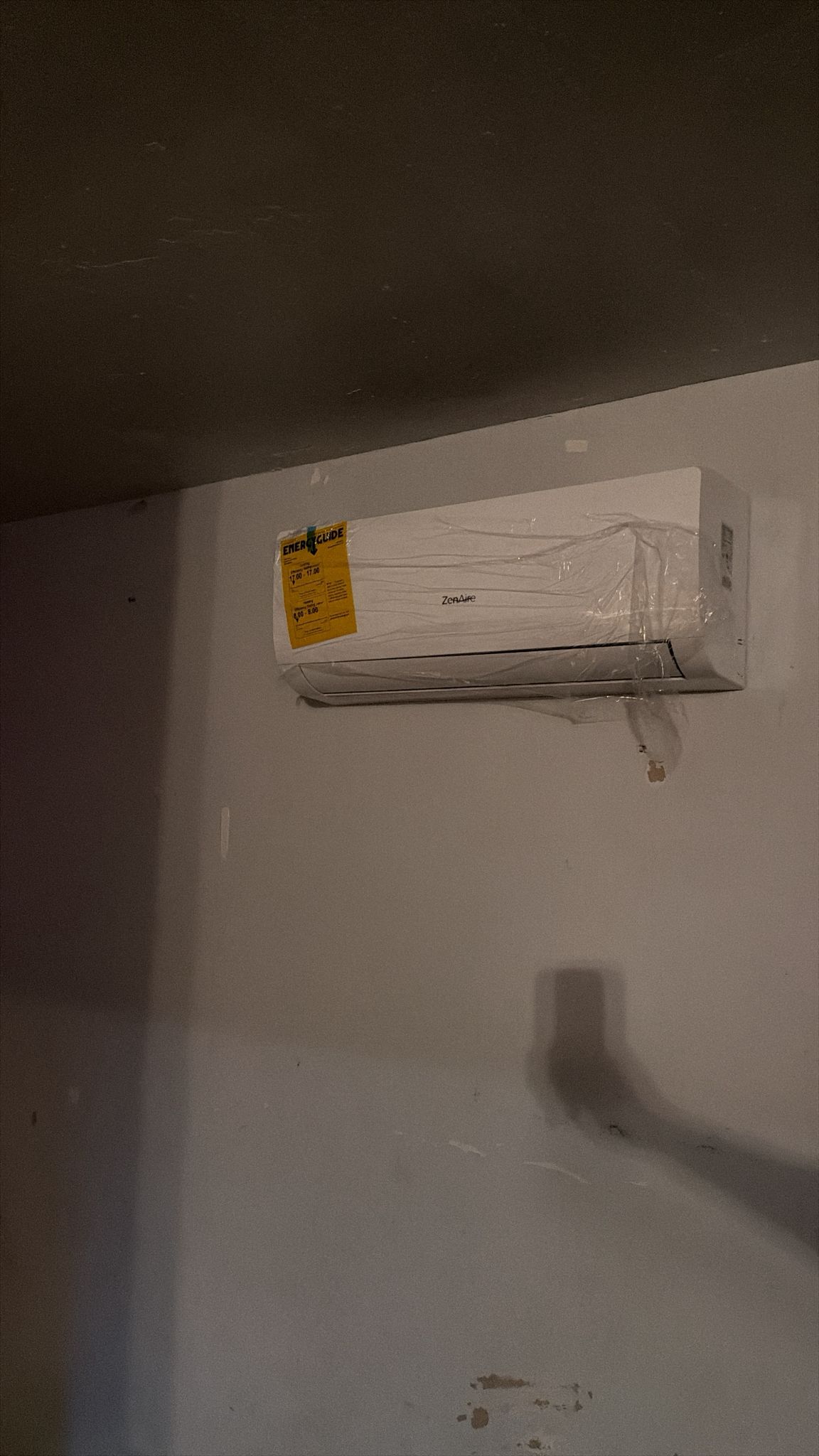
Ever feel that sinking feeling when your monthly utility bill arrives, especially after a blazing Phoenix summer? You glance at the total, and it feels like your AC unit has been running a marathon, single-handedly heating (or rather, cooling!) the entire neighborhood. That frustration is real, and it’s a common story for many homeowners battling the intense heat here in the Valley of the Sun. But what if there was a way to dial down that bill while keeping your home comfortably cool?
Enter the SEER rating. If you’re considering a new air conditioner for your Phoenix home, or even just wondering how your current one stacks up, understanding SEER (Seasonal Energy Efficiency Ratio) is your secret weapon against skyrocketing energy costs. It might sound like a technical term, but think of it as your AC’s miles-per-gallon rating – the higher the number, the more efficient it is.
What is SEER and Why Does it Matter for Phoenix Homes?
In simple terms, SEER measures the cooling output of an air conditioner during a typical cooling season, divided by the total electric energy input during the same period. It’s not just a number; it’s an indicator of how efficiently your unit converts electricity into cooling power. For Phoenix, with its notoriously long and brutal summers, often reaching well over 100°F for extended periods, even a small difference in efficiency can lead to significant savings. The national minimum SEER for new AC units installed in the Southwest region (including Arizona) is currently 14 SEER for split systems.
Comparing SEER Ratings: Your Efficiency Spectrum
Choosing a new AC means navigating a spectrum of SEER ratings. Let’s break down what different ratings mean for your home, your comfort, and your wallet.
-
The Baseline: 14 SEER Units
This is the current entry point for most new installations in our hot climate. A 14 SEER unit is a vast improvement over older, single-digit SEER systems and offers a reliable, foundational level of efficiency. They’re generally the most budget-friendly option upfront. For homes that aren’t occupied as often or are on a tighter installation budget,