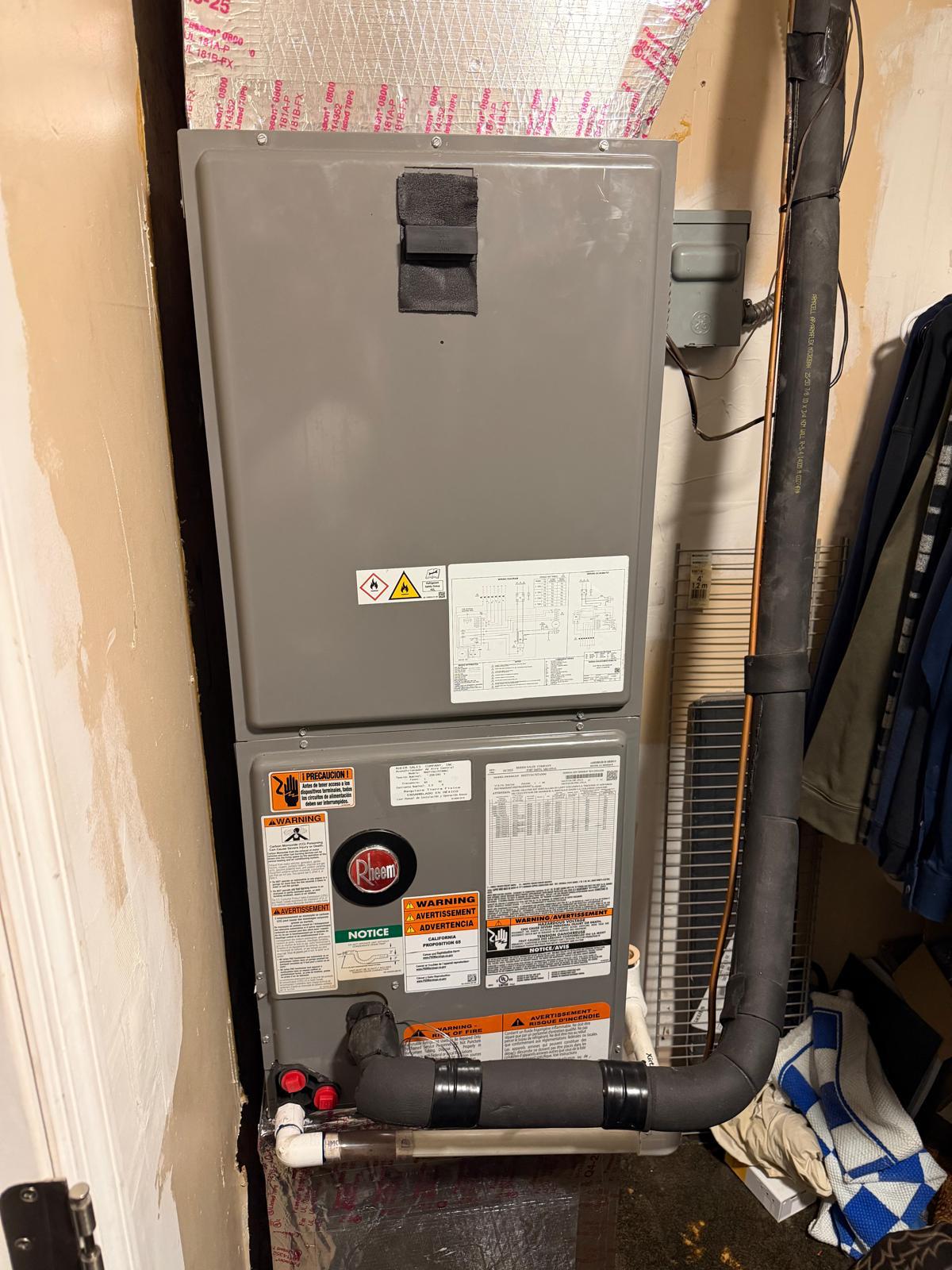
One of the most unsettling discoveries for any Hollywood, FL homeowner is an inexplicable foul odor emanating from their air conditioning system. Many initially dismiss it, hoping it’s just a temporary anomaly or a strange smell from outside. This common mistake – delaying investigation – often allows the problem to worsen, leading to a pervasive stench often described as “dirty socks” or stale gym locker.
If your AC unit in Hollywood, FL, has developed this distinctive and unwelcome odor, it’s not a temporary issue that will simply disappear. It signals a specific, underlying problem that requires immediate attention, especially in our humid South Florida climate. Ignoring it not only diminishes your home comfort but can also indicate issues impacting your indoor air quality.
What is “Dirty Sock Syndrome”?
The infamous “dirty sock” smell isn’t just a random occurrence; it’s a recognized HVAC phenomenon known as Dirty Sock Syndrome. This condition is primarily caused by microbial growth – typically bacteria and mold – on your evaporator coil. Your evaporator coil, located inside your indoor AC unit, is designed to absorb heat and humidity from your home’s air. When it gets cold and wet, it becomes an ideal breeding ground for these microorganisms.
In Hollywood, FL, our consistently high humidity levels, often averaging above 70% year-round, create a prime environment for this growth. The frequent cycling of AC units – especially during milder periods when the coil doesn’t stay cold long enough to freeze out contaminants, but still gets damp – exacerbates the issue. This cycle of wetting and drying on the coil fosters the reproduction of bacteria, which then off-gas volatile organic compounds (VOCs) that produce the offensive smell.
Why Hollywood, FL Homes Are Particularly Susceptible
Our specific climate challenges in Hollywood, FL, from the beachside properties near Hollywood Beach to homes further inland in areas like Emerald Hills, make Dirty Sock Syndrome a recurrent problem. The combination of intense heat and persistent humidity creates a constant battle for your AC system. When units short-cycle – turning on and off frequently without running long enough to thoroughly dehumidify or dry the coil – microbial colonies flourish.
For residents along the coast or near landmarks like the Hollywood Broadwalk, the salt air can also play a subtle role, contributing to a corrosive environment that, while not directly causing the smell, can make components more vulnerable over time if not properly maintained. Furthermore, houses with less-than-optimal insulation or leaky ductwork can allow more humid air to infiltrate, overworking the AC and creating more opportunities for microbial growth. This is also a common issue for many properties, leading to calls for expert AC repair in Hollywood, FL.
The Real Culprit: Microbial Contamination
At its core, Dirty Sock Syndrome is a biological problem. Microorganisms like bacteria and fungi thrive in moist, dark environments. Your AC’s evaporator coil, especially during periods of high humidity and intermittent operation, provides just that. These biological agents form a biofilm on the coil surface. As they metabolize and grow, they release the distinctive, unpleasant odors. This isn’t just an aesthetic issue; persistent microbial growth can contribute to compromised indoor air quality, which is a serious concern for many households.
According to EPA estimates, indoor air can be two to five times more polluted than outdoor air. While not always directly harmful, the VOCs released by these microbes can be irritating, especially to those with respiratory sensitivities. This is why regular professional HVAC maintenance in Hollywood, FL is not just about efficiency, but also about the health of your home.
Don’t Attempt DIY Solutions for Dirty Sock Syndrome
While the internet abounds with quick fixes, attempting to clean your AC coil yourself when facing Dirty Sock Syndrome is often a mistake. DIY efforts can damage the delicate fins of the evaporator coil, lead to improper chemical use, or fail to eradicate the problem entirely, often spreading the microbes rather than removing them. More importantly, without the right tools and expertise, you risk electrical hazards or introducing more contaminants into your system.
This is a job for trained HVAC professionals who understand the intricate mechanics and biological aspects involved. For comprehensive air duct cleaning in Hollywood, FL, or a full system inspection, contact Airus Air Services at (877) 851-0369. Our technicians are equipped to safely and effectively address microbial contamination at its source, not just mask the symptoms.
Professional Solutions & Prevention Strategies
Addressing Dirty Sock Syndrome effectively involves a multi-pronged approach, and Airus Air Services specializes in providing lasting solutions for Hollywood residents:
- Professional Coil Cleaning: Our technicians use specialized, EPA-approved cleaning agents designed to kill bacteria and mold without damaging your coil. This goes beyond superficial cleaning, ensuring deep sanitation.
- System Optimization: We assess your AC unit’s performance to ensure it’s running optimally, cycling appropriately to reduce moisture buildup and enhance dehumidification. This often involves checking refrigerant levels, airflow, and thermostat settings.
- UV Germicidal Lights: For a proactive, long-term solution, we can install UV germicidal lights within your HVAC system, typically near the evaporator coil. These lights continuously destroy airborne microorganisms, preventing them from colonizing the coil and significantly reducing the dirty sock smell. This technology is highly effective and widely recommended in high-humidity environments.
- Improved Filtration: Upgrading to a higher MERV (Minimum Efficiency Reporting Value) filter can help capture more airborne particles, including microbial spores, before they reach the coil.
- Regular Maintenance: Preventative maintenance is your best defense. Regular professional tune-ups ensure your system is clean, efficient, and less prone to microbial growth. Just as we ensure HVAC systems in Hollywood, FL are running clean, Airus Air Services also provides top-tier services to communities like Airus Air Services in Los Angeles, Airus Air Services in San Antonio, and Airus Air Services in Atlanta.
FAQ: Dirty Sock Syndrome & Your AC
Q1: Is the “dirty sock” smell from my AC harmful?
A1: While generally not acutely toxic, the VOCs (Volatile Organic Compounds) released by the microbes can cause respiratory irritation, headaches, and allergy symptoms, especially for sensitive individuals, children, or those with asthma.
Q2: Can air fresheners or deodorizers fix the smell?
A2: No, air fresheners only mask the smell temporarily. They do not address the underlying microbial growth on your evaporator coil, which will continue to produce the odor.
Q3: How often should I have my AC system professionally cleaned in Hollywood, FL?
A3: Given Hollywood’s high humidity, we recommend professional HVAC maintenance and coil inspection at least once a year, preferably twice – once before the peak cooling season and again mid-season.
Q4: What causes the AC to short-cycle, leading to this problem?
A4: Short cycling can be caused by various issues, including an oversized AC unit, a malfunctioning thermostat, low refrigerant levels, dirty air filters, or poor airflow. A professional inspection can diagnose the exact cause.
Q5: Is Dirty Sock Syndrome common only in older AC units?
A5: No, Dirty Sock Syndrome can affect units of any age. While older units might have accumulated more contaminants, even new, highly efficient units can develop the problem if conditions for microbial growth are met, especially in humid climates like ours.
Q6: Does my thermostat play a role?
A6: Yes. Keeping your thermostat set too high when you’re away can reduce AC runtime, allowing humidity to build up. Conversely, frequent temperature adjustments can lead to short cycling, preventing the coil from drying out properly.
Q7: Can I prevent it from coming back after a professional cleaning?
A7: Yes. Regular professional maintenance, considering UV germicidal lights, ensuring proper attic and crawl space ventilation to control humidity, and setting your thermostat to maintain a consistent temperature can significantly reduce the chances of recurrence.
Ensure Clean, Fresh Air with Airus Air Services
Don’t let the foul smell of Dirty Sock Syndrome compromise the comfort and air quality of your Hollywood, FL home. This isn’t a problem that will resolve itself, and delaying action can lead to further issues. Airus Air Services provides expert HVAC diagnosis, cleaning, and preventative solutions specifically tailored to the unique climate challenges of South Florida.
Our experienced technicians are ready to restore your home to a state of fresh, clean air. Contact Airus Air Services today to schedule an inspection and get rid of that persistent “dirty sock” smell for good. Call us at (877) 851-0369 and breathe easier.