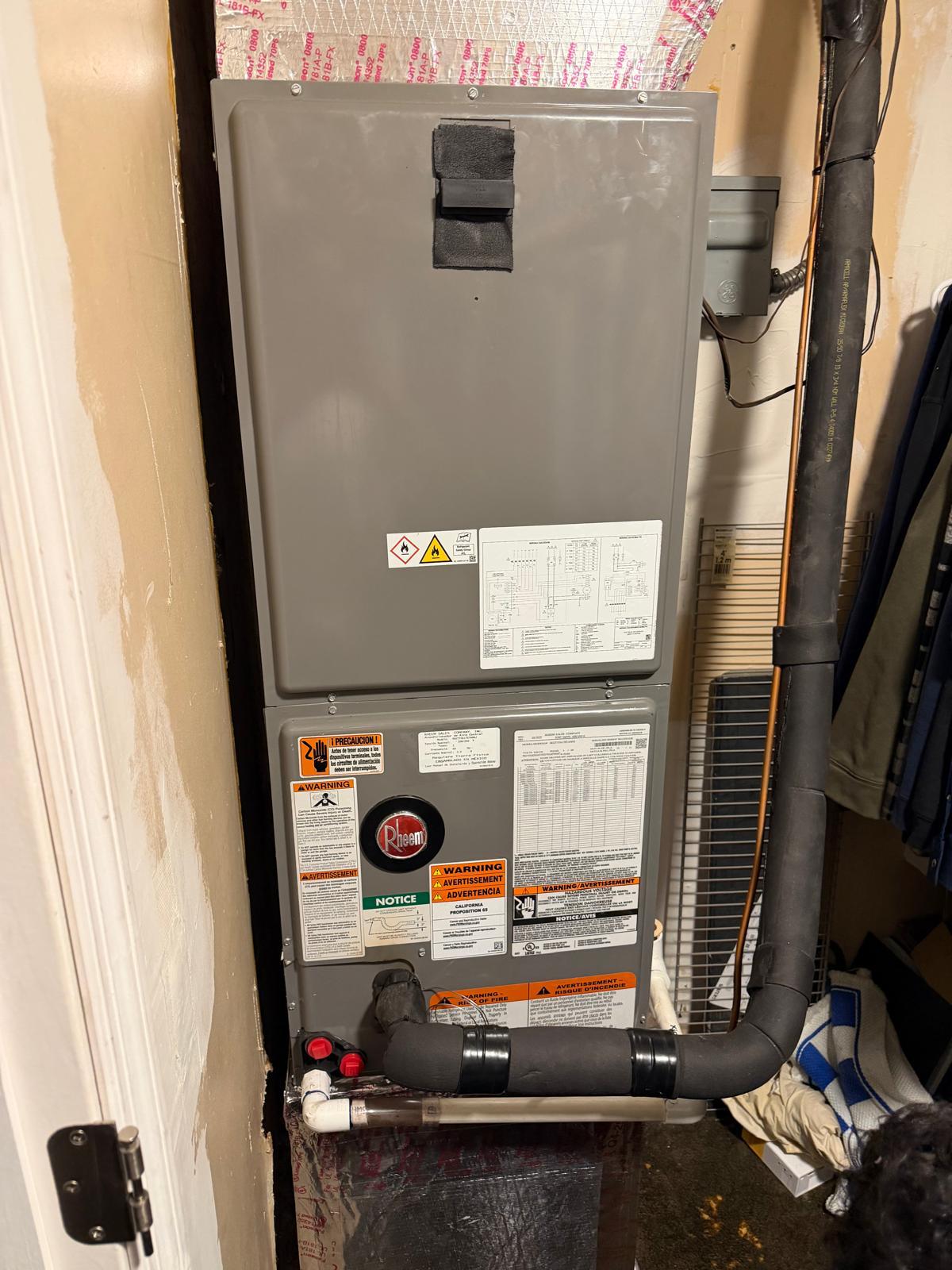
The sweltering San Antonio summer is an unwelcome guest, especially when your older HVAC unit groans, sputters, or worse, quits altogether. You stare at that eye-watering repair quote, then glance at your perpetually high energy bills, and a familiar question boils to the surface: Is it worth patching up this old workhorse again, or is it time for a critical, proactive replacement? This isn’t just about comfort; it’s about emergency preparedness for your home and your wallet.
The Ticking Time Bomb: Why Your Old HVAC Unit Demands Immediate Attention
For San Antonio homeowners, an aging HVAC system isn’t merely an inconvenience; it’s a looming crisis. Consider units over 10-12 years old, especially those that have worked tirelessly through countless triple-digit summers. They’re running on borrowed time, and a catastrophic breakdown during peak demand—like a scorching August afternoon in Stone Oak—is not just probable, it’s practically inevitable. Waiting for failure means enduring discomfort, potential property damage from humidity, and emergency repair rates that can sting. Airus Air Services understands the urgency of these situations and stresses the importance of making an informed decision *before* the heat truly turns unbearable.
Repair or Replace? Key Indicators for San Antonio Homeowners
Making the call between repair and replacement requires careful assessment. Here are the critical signs San Antonio residents should look for, signaling that a replacement might be the more prudent, emergency-prepared path:
- Age of Unit: If your system is over 10-12 years old, it’s past its prime. Modern units are significantly more efficient.
- Frequent Breakdowns: Are you calling for repairs every other season? Each fix chips away at your budget and indicates systemic issues.
- Soaring Energy Bills: Have your electricity bills been creeping up, far beyond seasonal usage increases? Older systems lose efficiency dramatically, costing you dearly. A 2023 study showed HVAC systems account for up to 50% of home energy consumption, and an old unit can inflate this by 10-30%.
- Inconsistent Cooling/Heating: Notice hot or cold spots in your home? Maybe the upstairs bedrooms near Alamo Heights never quite cool down, or the living area is always clammy. This signifies poor performance or insufficient capacity.
- Loud Noises: Grinding, squealing, or persistent rattling noises are not normal. They indicate failing components that are costly to replace and suggest the system is under severe strain.
- R-22 Refrigerant: If your system still uses R-22 refrigerant (Freon), finding and affording repairs will become increasingly difficult and expensive due to its ongoing phase-out by the EPA.
Navigating these complex indicators requires expert insight. For a comprehensive evaluation of your system’s health, trust Airus Air Services in San Antonio to provide a clear, honest assessment. We prioritize your long-term comfort and savings.
The Financial Imperative: When Replacement Outweighs Repair Costs
The “50% rule” is a widely accepted guideline: if the cost of a repair is more than 50% of the cost of a new unit, or if the unit is over 10 years old, replacement is usually the smarter investment. Consider the cumulative effect of repair bills. One-off fixes for your old unit might seem cheaper initially, but they drain your budget over time without addressing the root inefficiency. A new, energy-efficient HVAC system (with a higher SEER rating) can reduce your energy consumption by 20-40%, leading to substantial savings over its 15-20 year lifespan. These savings can often offset a significant portion of the replacement cost, turning an immediate expense into a long-term financial gain. This applies whether you’re battling the summer heat in San Antonio or even navigating the challenges in other major Texas cities where Airus Air Services offers comprehensive support, like for homeowners exploring options with Airus Air Services in Houston.
Beyond Comfort: Safety and Air Quality Considerations
An aging HVAC system isn’t just inefficient; it can pose genuine risks. Older components are more prone to failure, which in some cases, particularly with gas furnaces, can create fire hazards or carbon monoxide leaks. Furthermore, outdated systems often struggle with proper humidity control—a significant issue in San Antonio’s humid climate—which can foster mold and mildew growth in air ducts, exacerbating allergies and respiratory problems. A new system offers not only superior temperature regulation but also improved filtration, potentially integrating advanced air purification technologies. This ensures healthier indoor air quality, a critical, often overlooked aspect of home safety. Proactive HVAC system assessment and maintenance are crucial; services like Airus Air Services in Dallas also champion the importance of these preventative measures for client well-being.
Your Emergency Preparedness Plan: Making the Right HVAC Choice
Don’t wait for your HVAC unit to become an emergency; make an informed, proactive decision now. Choosing to replace your old system is a strategic investment in your home’s comfort, safety, and energy efficiency. It’s an emergency preparedness plan that safeguards you against future breakdowns, exorbitant energy bills, and the health risks associated with a deteriorating system. When you’re considering a professional HVAC repair or a new HVAC installation, always seek expert advice tailored to your specific situation and home. Airus Air Services, reachable at (954) 627-1752, is dedicated to helping homeowners across South Florida make these critical decisions with confidence and clarity.
FAQ: Your Urgent HVAC Questions Answered
- Q1: How long do HVAC units typically last?
A: Most HVAC systems, with proper maintenance, last between 10 to 15 years. Furnaces can last up to 20 years, while air conditioners generally have a shorter lifespan of 10-12 years. - Q2: What’s the “50% rule” for HVAC repair vs. replace?
A: The 50% rule suggests that if the cost of repairing your HVAC unit is more than 50% of the cost of a new replacement unit, it’s generally more cost-effective to replace the system. - Q3: Will a new HVAC system save me money on energy bills?
A: Absolutely. Modern HVAC systems boast significantly higher SEER (Seasonal Energy Efficiency Ratio) ratings, meaning they consume less energy to provide the same amount of heating and cooling, resulting in substantial savings on your monthly utility bills. - Q4: What’s SEER, and why is it important?
A: SEER stands for Seasonal Energy Efficiency Ratio. It measures an air conditioner’s cooling output during a typical cooling season divided by the total electric energy input during the same period. A higher SEER rating indicates greater energy efficiency and lower operating costs. - Q5: Can I upgrade my thermostat with my old system?
A: In many cases, yes, you can upgrade to a smart or programmable thermostat with an older system. However, for maximum efficiency benefits and system compatibility, it’s often best paired with a newer, high-efficiency HVAC unit. - Q6: How long does a typical HVAC replacement take?
A: A standard HVAC system replacement usually takes one to two days, depending on the complexity of the installation and whether ductwork modifications are needed.
Don’t Wait for a Crisis: Contact Airus Air Services Today!
The scorching heat of San Antonio waits for no one, and neither should you. Proactive planning is paramount to avoid discomfort, high emergency repair costs, and potential safety risks. Take control of your home’s climate and energy efficiency now. If you