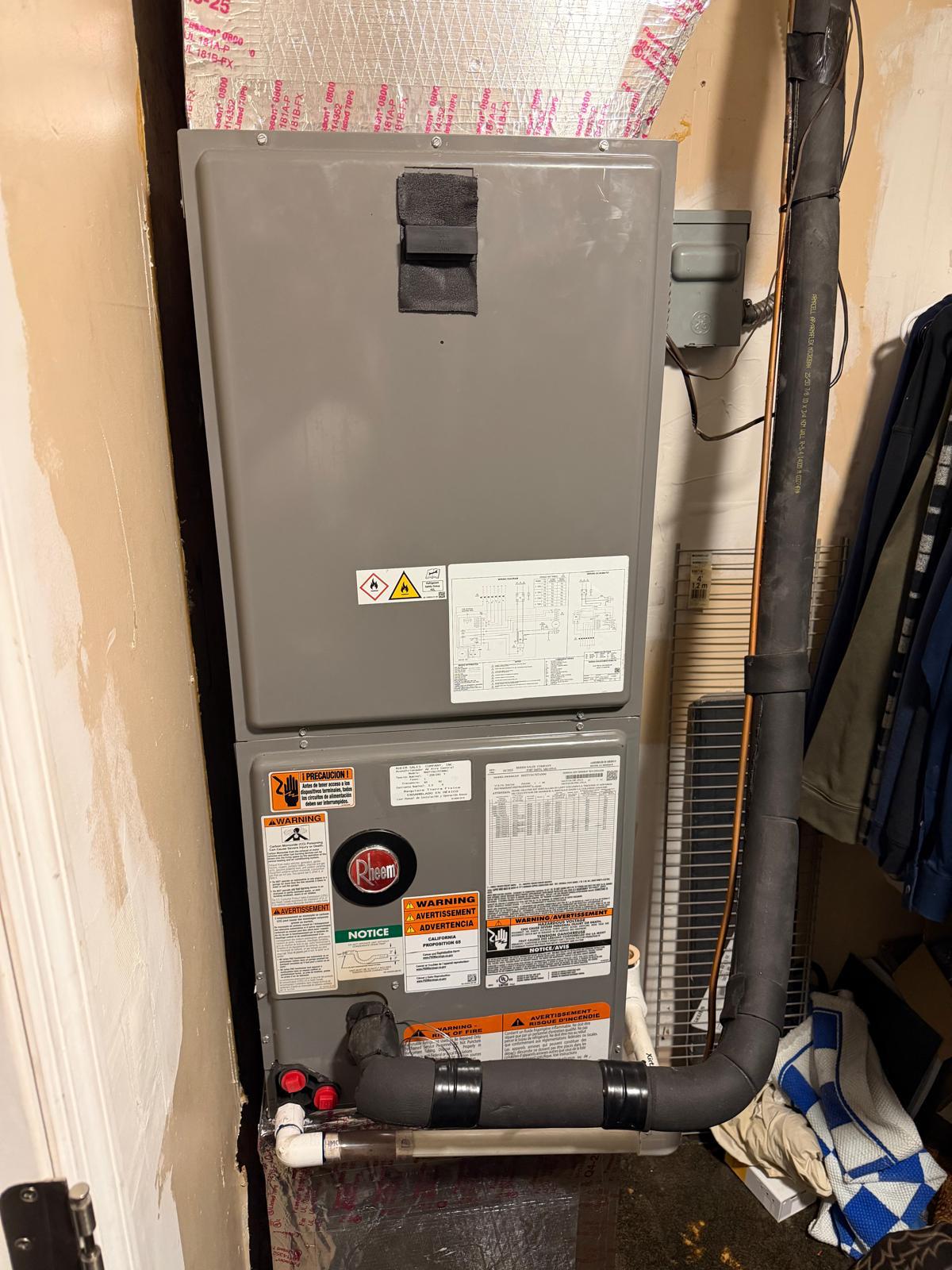
Imagine this: It’s the dog days of a Houston summer. The humidity is so thick you could cut it with a knife, and the mercury is flirting with triple digits, probably near the Galleria or down by the Ship Channel. You walk through your front door, utterly drained, dreaming of that arctic blast from your AC. But instead of a glorious chill, you’re greeted by a warm, muggy sigh. Your AC is blowing lukewarm air, sounding a little… off. This isn’t just an inconvenience; it’s a full-blown emergency in the Bayou City! Before you start picturing yourself huddled by a fan, sweat dripping, know that this common nightmare often points to a culprit many homeowners overlook: a refrigerant leak.
Here at Airus Air Services, we might be experts in keeping homes cool and comfortable in Hollywood, FL, but the physics of HVAC (and the pain of a broken AC) are universal. We believe in empowering homeowners everywhere, even in bustling cities like Houston, with the knowledge to tackle common AC woes. Understanding refrigerant leaks isn’t just about fixing a problem; it’s about preventing a meltdown, literally.
What’s the Deal with Refrigerant, Anyway?
Think of refrigerant as the lifeblood of your air conditioner. It’s a special chemical compound that cycles through your AC system, absorbing heat from your indoor air and releasing it outside. It’s a closed-loop system, meaning the refrigerant isn’t “used up” like gasoline. So, if your AC is low on refrigerant, it means there’s a leak somewhere. No ifs, ands, or buts! And in a place like Houston, where your AC unit works overtime almost year-round – enduring brutal heatwaves and relentless humidity – wear and tear on components that hold refrigerant can lead to tiny cracks or corroded connections. This is especially true for older systems that might still use R-22 refrigerant, which is being phased out, making leaks even more problematic.
Why Refrigerant Leaks Are a Big Deal in Houston
A refrigerant leak in Houston isn’t just uncomfortable; it’s potentially dangerous and definitely expensive. Your AC unit has to work harder to compensate for the lost refrigerant, cranking up your energy bills faster than a freeway merge during rush hour. This overexertion can lead to significant wear and tear, eventually causing compressor failure – a repair that can cost you an arm and a leg, perhaps even more than a weekend getaway to Galveston! Plus, some refrigerants, while generally safe, can be harmful if inhaled in large quantities in poorly ventilated areas.
The Telltale Signs: Is Your AC Leaking Refrigerant?
Catching a leak early can save you a bundle and a lot of sweat equity. Keep an eye (and an ear, and a nose) out for these clues:
- Warm Air from Vents: The most obvious sign. If your AC is running but the air isn’t cold, your refrigerant might be low.
- Ice on Refrigerant Lines: If you see ice building up on the copper lines or the outdoor unit (especially in areas like The Heights or Montrose, where older homes might have older units), it’s a big red flag. Low refrigerant causes the coils to get too cold, leading to ice formation.
- Hissing or Bubbling Sounds: A common giveaway. Depending on the size of the leak, you might hear a hissing sound (like air escaping) or a bubbling noise (like water flowing) coming from your indoor unit.
- Increased Energy Bills: If your electricity bill suddenly skyrockets without a change in usage, your overworked AC could be the culprit.
- Unusual Odors: Some refrigerants have a sweet, sickly smell, though this isn’t always noticeable. If you do detect it, it’s a strong indicator.
- Excessive Run Times: Your AC runs longer to try and reach the set temperature, but struggles to keep up with Houston’s heat and humidity.
What to Do When You Suspect a Leak
First off, don’t panic. Second, do NOT try to “top off” your refrigerant yourself. Adding refrigerant without fixing the underlying leak is like patching a tire without removing the nail – a temporary, ineffective, and potentially damaging solution. It’s also illegal to release refrigerants into the atmosphere. The best course of action is to turn off your AC system to prevent further damage, especially if you notice ice build-up. Then, reach out to a professional HVAC technician. They have the specialized tools and expertise to accurately detect the leak, repair it, and safely recharge your system. For those in Hollywood, FL, we’re just a call away at (954) 627-1752, but for homeowners further afield, look for certified professionals who prioritize accurate diagnostics.
Prevention is Key: Keeping Your AC Happy and Healthy
While some leaks are unavoidable due to age or manufacturing defects, preventative maintenance significantly reduces your risk. Regular tune-ups from a trusted HVAC company ensure your system is inspected thoroughly, connections are tightened, and any potential issues are caught before they become major leaks. Consider it your AC’s annual check-up, vital for surviving the intense summer temperatures that sweep across the South. For residents needing proactive care for their units, seeking out expert Airus Air Services in Houston for maintenance can ensure your system remains in peak condition.
Even though our main operations are focused on the sunny climes of Hollywood, FL, we understand that reliable HVAC is a universal necessity. That’s why Airus Air Services also extends its knowledge base to communities in places like Airus Air Services in Miami and even as far as Airus Air Services in Seattle, emphasizing the importance of expert AC care everywhere. Investing in professional HVAC maintenance ensures your system runs efficiently, prolongs its lifespan, and prevents those dreaded emergency breakdowns when you need your AC most.
FAQ About Refrigerant Leaks
Q1: Is a refrigerant leak dangerous?
A: While refrigerants are generally low toxicity, large leaks in enclosed spaces can displace oxygen, posing a suffocation risk. It’s always best to have leaks repaired promptly by professionals to ensure safety.
Q2: Can I fix a refrigerant leak myself?
A: No. Refrigerant leaks require specialized tools for detection and repair, and handling refrigerants without proper certification is illegal and dangerous. Always call a professional.
Q3: How long does it take to fix a refrigerant leak?
A: The time varies depending on the leak’s complexity and location. Simple repairs might take a few hours, while more extensive ones could take longer, potentially requiring parts to be ordered.
Q4: What causes refrigerant leaks?
A: Common causes include corrosion of copper tubing (especially in humid environments like Houston), vibrations causing wear, improper installation, and formic acid build-up (often from household products) which can eat away at coils.
Q5: Is adding more refrigerant a permanent solution?
A: Absolutely not. Adding refrigerant without finding and fixing the leak is a temporary fix that wastes money and can harm your system