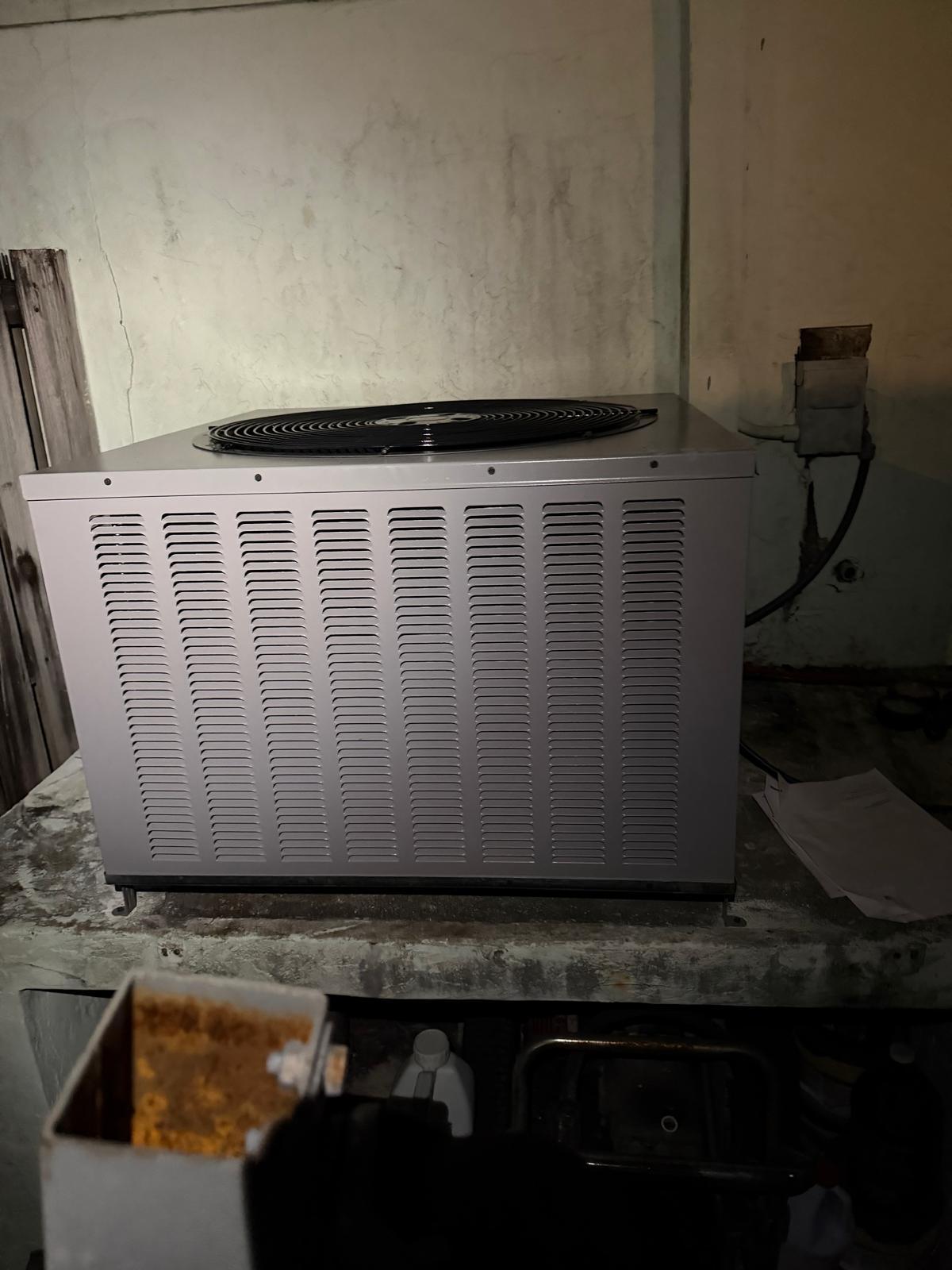
Imagine this nightmare scenario: A brutal Houston summer storm hits, knocking out power across your neighborhood. The humidity is stifling, and the temperature inside your home begins to climb relentlessly. Your AC, your only defense against the oppressive heat, is silent. Hours turn into a day, then two, and the inside of your house becomes an unbearable oven, jeopardizing not just your comfort, but potentially your family’s health and safety. For homeowners in areas prone to severe weather, this isn’t just a hypothetical; it’s a stark reality many face.
The good news? This doesn’t have to be your story. Proactive planning for back-up power for your AC system is not a luxury; it’s a critical investment. As Airus Air Services, based out of Hollywood, FL, we understand the devastating impact of power outages on HVAC systems and indoor comfort. We bring our expertise from tackling challenging climates to offer essential considerations for Houston homeowners.
The Houston Heat and Your AC: Why Backup Power Isn’t a Luxury
Houston’s climate is notorious for its intense heat and humidity, compounded by frequent severe thunderstorms and the ever-present threat of hurricanes. The average summer temperature often exceeds 90°F, with heat indices soaring well above 100°F. Losing power for even a few hours can turn a comfortable home into a dangerous one, especially for vulnerable populations like the elderly or young children. Beyond the immediate discomfort, prolonged heat and humidity can lead to mold growth and damage to electronics and furnishings. A reliable AC backup power solution isn’t just about convenience; it’s about safeguarding your home and your family’s well-being when the unexpected strikes. Ignoring this vital step is to court disaster.
DIY Backup Solutions: A Closer Look
When considering backup power for your AC, some homeowners explore DIY routes. While these might seem cost-effective initially, it’s crucial to understand their limitations, especially for the complex needs of an HVAC system.
Portable Generators
Portable generators are a common DIY choice. They’re relatively inexpensive and readily available. However, powering an AC unit (especially a central AC system) requires a substantial amount of wattage, often between 3,000 and 7,000 watts for startup alone. Most portable generators struggle to meet this demand, or can only power smaller, window AC units, leaving the rest of your home hot. Furthermore, operating them safely requires careful attention to ventilation, proper grounding, and managing fuel, which can be messy and hazardous. Attempting to improperly backfeed power into your home’s electrical system can be lethal and is strictly illegal. While they might offer a temporary fix for minor appliances, they typically fall short for a whole-home AC solution.
Solar-Powered Options (Portable)
Smaller, portable solar generators or battery banks have emerged as another DIY option. While eco-friendly, these are generally designed for charging small electronics, not running a power-hungry AC unit for extended periods. Their power output and storage capacity are usually insufficient to make a meaningful difference for your cooling needs during an outage, especially if the outage coincides with cloudy weather or nighttime. For maintaining critical air quality in your Houston home, these options are simply inadequate for your main cooling system.
Professional AC Backup Power: The Airus Advantage
For reliable, safe, and efficient AC backup power, a professional solution is almost always the superior choice. This is where Airus Air Services, an HVAC company committed to excellence in Hollywood, FL, distinguishes itself. We focus on integrating solutions that are purpose-built for your cooling needs.
Standby Generators
Unlike portable units, standby generators are permanently installed outside your home, similar to a central AC unit. They connect directly to your home’s electrical system and run on natural gas or propane, automatically kicking on within seconds of a power outage. A properly sized standby generator can seamlessly power your entire central AC system, along with other essential appliances, ensuring uninterrupted comfort. Professional standby generator installation, specifically designed to handle the load of your HVAC unit, guarantees safety, compliance with local codes, and optimal performance. For homeowners concerned about maintaining clean air ducts in Dallas or effective cooling in other major cities, this robust solution offers peace of mind.
Integrated Battery Systems
Modern battery storage systems, sometimes paired with solar panels, offer another sophisticated professional solution. These systems store energy from the grid or solar panels and can power critical circuits, including your AC, during outages. They are quiet, emissions-free, and provide instant power transfer. While a more significant upfront investment, they offer long-term energy independence and environmental benefits. When considering such an advanced setup, ensure you work with an HVAC professional who understands the specific power demands of your AC system to avoid costly miscalculations.
The Financial and Safety Imperatives
The time to consider AC backup power is *before* a crisis hits, not during. Waiting until you’re sweltering in a powerless home often means longer wait times for installations, higher demand, and potentially inflated prices. Investing now provides tangible benefits: protecting your family from heatstroke, preserving perishable food, preventing potential home damage, and ensuring you won’t be forced to relocate during an extended outage. Considering the significant impact of extreme weather on HVAC system health in Chicago and across the nation, making this decision quickly is paramount. Don’t compromise your comfort or safety for a few saved dollars now; the long-term cost of inaction is far greater.
Frequently Asked Questions About AC Backup Power
Q1: How do I know what size generator I need for my AC?
A: Determining the correct size requires calculating the startup and running wattage of your AC unit and any other essential appliances you wish to power. This is best done by a qualified HVAC technician, as undersizing can damage your generator or AC.
Q2: Can a portable generator harm my AC unit?
A: Yes, if improperly sized or connected, a portable generator can deliver inconsistent power, leading to voltage fluctuations that can damage your AC compressor or other sensitive components.
Q3: What’s the typical lifespan of a standby generator?
A: With proper preventative AC maintenance and regular service, a standby generator can last 15-30 years, depending on usage and model.
Q4: Are there specific permits required for standby generator installation?
A: Yes, typically, standby generator installations require electrical, gas, and building permits to ensure they meet local safety codes and regulations.
Q5: Is it safe to install a backup generator myself?
A: No. Installing a standby generator