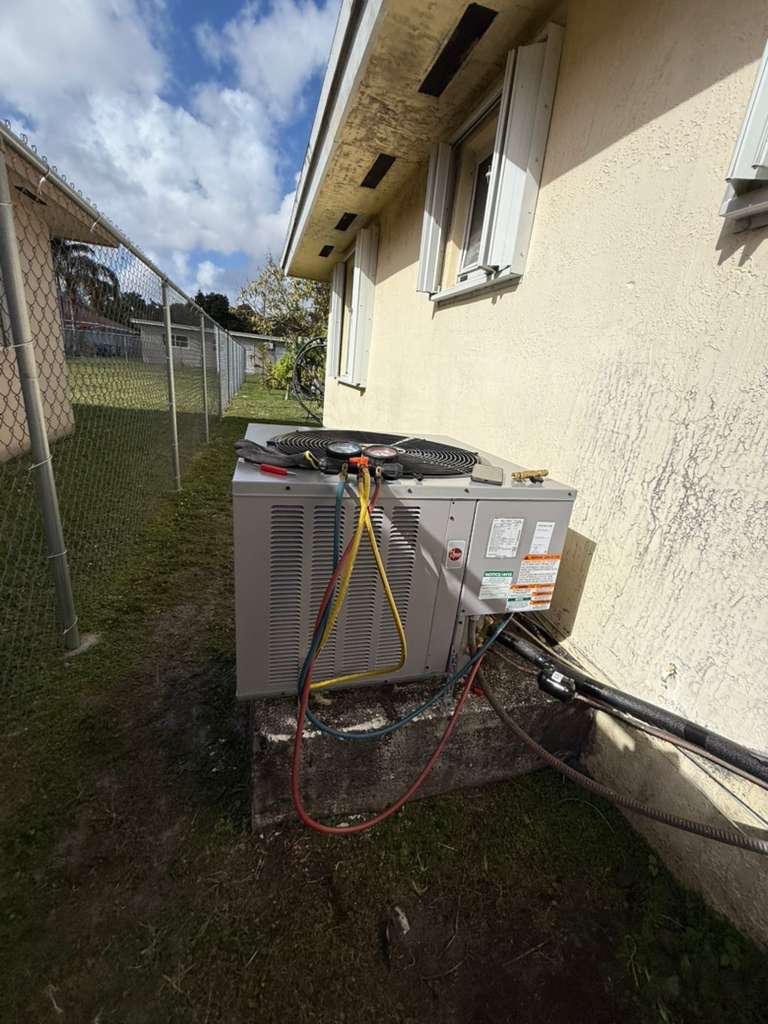
It’s a typical scorching afternoon in Hollywood, FL. You’ve just walked in from the sunny boardwalk, eager to escape the relentless humidity, expecting that comforting rush of cool, conditioned air. Instead, you’re met with an alarming silence from your HVAC system, or perhaps a sudden, unnerving grinding sound followed by a peculiar odor. Panic begins to set in. Your immediate thought is, “What just happened? And what do I do RIGHT NOW?”
We understand that feeling of dread. An unexpected HVAC malfunction can turn a perfectly good day into a stressful ordeal, especially in South Florida where reliable air conditioning isn’t a luxury—it’s a necessity. At Airus Air Services, we believe every homeowner in Hollywood, FL deserves to feel confident and prepared when faced with an HVAC emergency. This ultimate guide will walk you through precisely when and how to safely shut down your system during a crisis, ensuring your safety and potentially minimizing further damage.
When to Consider an Emergency HVAC Shutdown
Knowing when to act is just as important as knowing how. Not every minor hiccup requires a full system shutdown. However, certain warning signs demand immediate attention. Ignoring these signals can lead to more extensive, costly repairs or, in worst-case scenarios, pose a safety risk to your home and family. For residents from Downtown Hollywood to beachfront properties, being proactive can save you significant trouble.
- Strange Noises: While some operational sounds are normal, sudden loud banging, grinding, screeching, or whistling often indicates a serious mechanical issue, such as a failing motor, loose components, or issues with the fan blades. Continuing to run the system could exacerbate the problem.
- Burning Smells or Electrical Odors: This is a critical warning sign that should never be ignored. A burning smell can signify an overheating motor, damaged wiring, or a short circuit within the unit. Electrical fires can spread rapidly, posing a severe threat.
- Visible Smoke or Sparks: Any sign of smoke or sparks coming from your indoor or outdoor unit demands an immediate shutdown. This points to a definite electrical fault or component failure that could lead to fire.
- Complete System Failure with Alarming Symptoms: If your unit suddenly stops working after showing any of the above signs, or if circuit breakers frequently trip specifically for your HVAC system, it’s best to err on the side of caution and shut it down.
- Water Leaks from Unfamiliar Sources: While a minor condensate line drip is common, large puddles or active leaks from the HVAC unit (especially accompanied by other issues) could indicate a clogged drain line causing water to back up, potentially damaging electrical components or ceilings. It’s prudent to shut down the system to prevent further water damage or electrical hazards.
In Hollywood’s humid climate, early detection of issues like these can often prevent the development of mold or severe structural damage. According to industry data, electrical issues account for approximately 15-20% of residential HVAC-related fires, making prompt action vital.
How to Safely Shut Down Your HVAC System
When you encounter a critical issue, a systematic approach to shutting down your HVAC unit is essential. Remember, safety first. Avoid touching exposed wires or attempting repairs yourself. If you’re ever unsure, contact Airus Air Services for expert assistance.
Step 1: At the Thermostat
This is your first point of action and the easiest step.
- Locate your thermostat.
- Switch the system mode from “Cool,” “Heat,” or “Auto” to “Off.”
- Change the fan setting from “On” or “Auto” to “Off.”
While this stops the operational commands, it doesn’t always cut the main power entirely. It’s a good initial step, but for true emergency situations, you need to go further.
Step 2: At the Outdoor Unit (Condenser)
Your outdoor unit, often situated in your yard or beside your home, has a dedicated disconnect switch. This is particularly important for homes near US-1 or in more suburban Hollywood neighborhoods where units are easily accessible.
- Locate the electrical disconnect box near your outdoor AC unit. It usually looks like a small, gray metal box mounted on the wall.
- Open the cover. Inside, you’ll find a pull-out block or a lever switch.
- Pull the block straight out or flip the lever to the “Off” position. This completely cuts power to the outdoor unit.
Step 3: At the Electrical Breaker Panel
This is the most comprehensive way to ensure no power is flowing to any part of your HVAC system.
- Go to your home’s main electrical panel. This is often in your garage, utility closet, or basement.
- Open the panel door. You’ll see rows of switches (circuit breakers).
- Locate the breaker labeled for your HVAC system. It might be labeled “AC,” “Furnace,” “HVAC,” or simply by its voltage (e.g., “240V AC”). It is often a double-pole breaker (two switches tied together).
- Flip the designated HVAC breaker to the “Off” position. This will cut all power to both your indoor and outdoor units.
By following these steps, you ensure that no electrical current can flow through your malfunctioning system, mitigating risks and preventing further damage while you await professional help.
What to Do After an Emergency Shutdown
Once your HVAC system is safely turned off, the next step is to call the professionals. Do not attempt to diagnose or fix complex HVAC issues yourself, especially if they involve electrical components or refrigerant. Improper handling can be dangerous and costly. At Airus Air Services, our certified technicians are trained to handle all types of HVAC emergencies safely and efficiently, whether you need immediate emergency AC repair or just a professional diagnosis.
Our commitment to reliable service extends far beyond Hollywood, FL, serving communities from Los Angeles to Seattle and Denver, bringing consistent expertise to every service call.
Frequently Asked Questions About Emergency HVAC Shutdowns
Q1: Can I just turn off the thermostat? Is that enough?
A: While turning off the thermostat stops the system from running, it doesn’t always cut off all electrical power to the unit, especially for the outdoor condenser. For true emergencies involving burning smells or sparks, you should always proceed to shut off power at the outdoor disconnect and the electrical breaker panel for complete safety.
Q2: How quickly should I shut off my HVAC system if I hear a strange noise?
A: Immediately. The faster you shut down a malfunctioning system, the higher the chance you can prevent further, more severe damage to internal components. Continuing to run a unit with grinding or banging noises can lead to complete compressor failure or other catastrophic breakdowns.
Q3: What if I can’t find my breaker box or the correct breaker?
A: If you’re having trouble locating or identifying the correct breaker, it’s safer to trip the main breaker for your entire home. While inconvenient, this ensures all power is cut, including to the HVAC unit. Alternatively, if only dealing with the outdoor unit, just pulling the disconnect switch might suffice for an immediate, localized shutdown. Then, call Airus Air Services at (954) 627-1752 for assistance.
Q4: Should I try to restart my system after an emergency shutdown?
A: No. After an emergency shutdown due to critical issues like burning smells, sparks, or loud noises, you should NOT attempt to restart the system. This could re-engage the faulty component and worsen the problem or create a safety hazard. Always have a qualified HVAC technician inspect the system first.
Q5: Is it normal for my AC unit to occasionally drip water?
A: A small amount of condensation dripping from the condensate