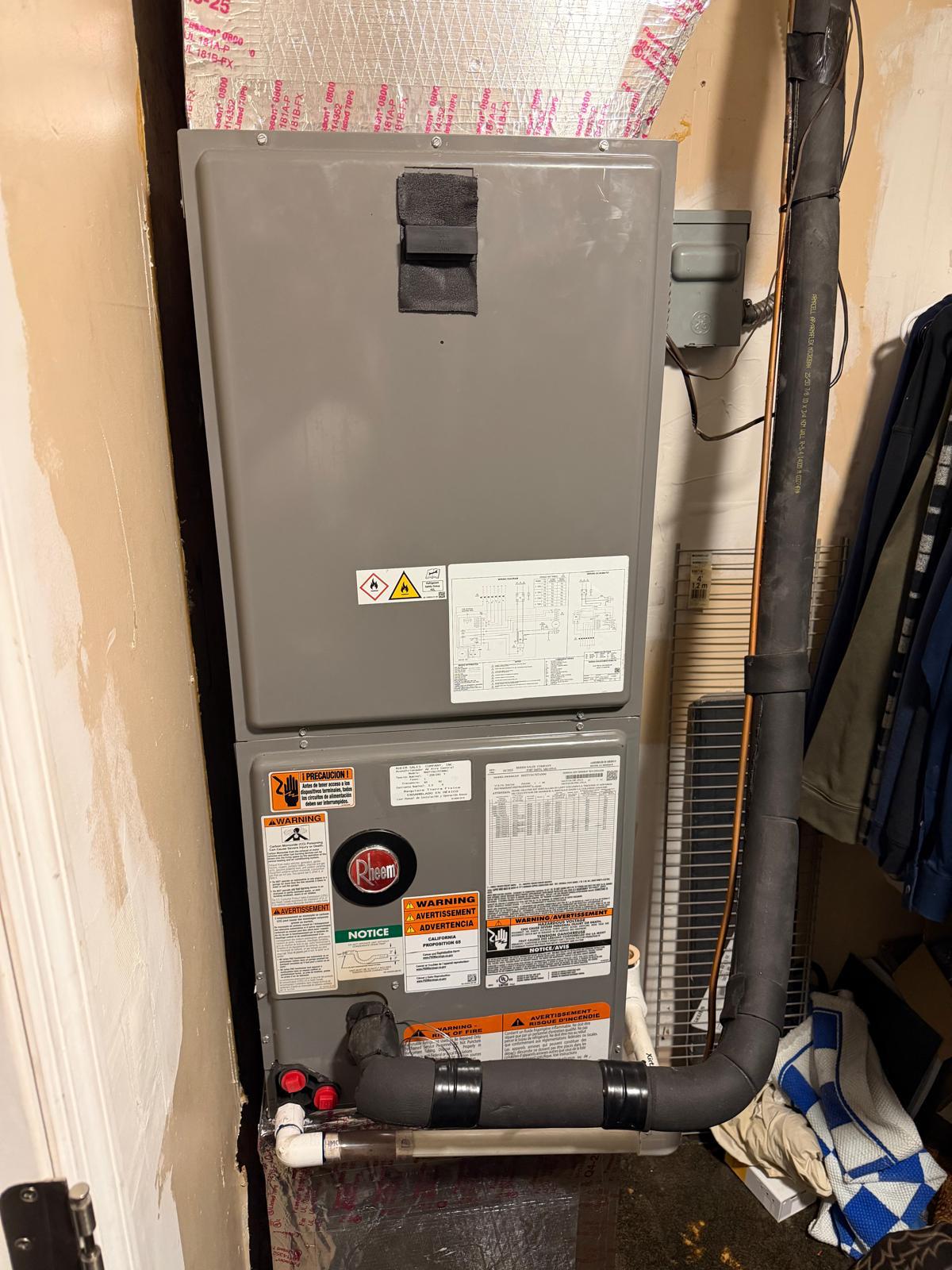
The sweltering Hollywood, FL summer sun beats down relentlessly, and you walk into your home, expecting that familiar blast of cool, refreshing air. But instead, there’s a damp, heavy warmth, and your AC condenser unit outside sounds like it’s struggling. A quick look reveals leaves, twigs, and even some sand from a recent gusty afternoon piled around the unit. You’re left wondering: “Is my AC going to make it through another South Florida summer?” It’s a frustrating and concerning scenario many homeowners in our beautiful city face, and it often stems from the harsh realities our outdoor AC units endure.
Here in Hollywood, FL, your air conditioning isn’t just a luxury; it’s a necessity. And the unsung hero working tirelessly to keep your home comfortable is the outdoor condenser unit. But between the intense heat, relentless humidity, salt-laden air from the Atlantic, and the sudden, powerful downpours, this vital equipment takes a beating. Ignoring these environmental challenges can lead to breakdowns, inefficient operation, and costly repairs. That’s why protecting your AC condenser unit isn’t just a good idea—it’s essential for longevity and peace of mind. This ultimate guide will walk you through everything you need to know.
The Unique Challenges of Hollywood, FL Weather for Your AC
Our subtropical climate, while beautiful, presents specific threats to your outdoor AC unit. Think about it: year-round humidity hovering around 75% creates an environment ripe for corrosion and mold growth. Then there’s the salt air, especially for homes closer to the coast like those in Hollywood Lakes or along A1A. Salt accelerates metal degradation, eating away at condenser coils and electrical components. Statistics show that coastal AC units can see a significant reduction in lifespan if not properly maintained, sometimes by as much as 30% compared to inland units.
Beyond the daily grind, we contend with hurricane season, running from June 1st to November 30th. Tropical storms and hurricanes bring high winds that can send debris flying, torrential rain that can flood your unit’s base, and power surges that can damage internal electronics. Understanding these specific local challenges is the first step in effective protection.
Proactive Steps to Safeguard Your Condenser Unit
Regular Cleaning and Debris Removal
One of the simplest yet most effective maintenance tasks is keeping the area around your condenser unit clear. Leaves, grass clippings, dirt, and even pet hair can accumulate, restricting airflow and making your unit work harder. Use a soft brush or a garden hose on a gentle setting to carefully clean the outer fins. Be gentle; the fins are delicate and can bend easily. A general rule of thumb: ensure there’s at least 2 feet of clear space on all sides and above the unit.
Landscaping and Proper Clearance
Beautiful landscaping enhances your home’s curb appeal, but overgrown shrubs or planting too close to the AC unit can stifle its performance. Ensure any plants, bushes, or trees are trimmed back at least two feet from the condenser unit’s perimeter. This not only allows for proper airflow but also prevents roots from interfering with the concrete pad and keeps branches from falling onto the unit during windy conditions. This small effort can significantly boost efficiency, potentially saving you 5-15% on energy costs.
Consider a Protective Cover (with caveats)
While often debated, a specific type of AC cover can be beneficial during the off-season or before a major storm. Choose a breathable, waterproof cover that specifically protects the top of the unit from falling debris, leaves, and heavy rain without trapping moisture inside. Avoid full-sided covers that can create a damp environment, encouraging mold or corrosion. Always remove the cover when the unit is in operation.
Anti-Corrosion Treatments
Given our proximity to the ocean, anti-corrosion sprays designed for AC coils can offer an extra layer of defense against salt air. These treatments create a protective barrier, extending the life of your unit’s crucial components. While a great preventative measure, it’s best to have these applied by experienced HVAC professionals during a routine service visit to ensure proper application and effectiveness. This is a practice we recommend for our customers here at Airus Air Services.
The Importance of Professional HVAC Maintenance
While DIY steps are helpful, there’s no substitute for expert eyes and hands. Professional HVAC maintenance, ideally once or twice a year, is crucial for detecting subtle issues before they become major problems. A certified technician from Airus Air Services will perform a thorough inspection, clean coils, check refrigerant levels, test electrical connections, and lubricate moving parts. This isn’t just about repairs; it’s about optimizing your system for efficiency and preventing premature wear and tear. Our commitment to providing exceptional care extends to communities far and wide, from assisting customers with air quality improvements in Los Angeles to handling diverse HVAC needs, and you can trust that dedication to service for your Hollywood, FL home. Early detection of problems like refrigerant leaks or worn components can prevent catastrophic breakdowns, saving you significantly in the long run. Don’t hesitate to call us at (954) 627-1752 for a comprehensive check-up.
Preparing for Storm Season: Hurricane Readiness
As locals, we know that hurricane preparedness is a way of life. When a named storm approaches Hollywood, there are specific steps you should take to protect your AC condenser. First, turn off your AC unit at the thermostat and then at the circuit breaker to prevent electrical surges. If possible and safe to do so, disconnect the power to the unit completely. You might also consider securing your unit by strapping it down, especially if it’s on a raised platform, or covering it with heavy-duty plywood to shield it from flying debris. While maintaining air quality in Dallas might focus on different weather challenges, in South Florida, storm readiness is paramount for HVAC systems.
Frequently Asked Questions (FAQ)
Q1: How often should I clean around my AC condenser unit?
A: Ideally, check and clear debris around your unit monthly, especially during peak seasons or after heavy winds. A deeper clean by a professional is recommended annually.
Q2: Can I power wash my AC condenser coils?
A: No, power washing can damage the delicate fins and internal components. Use a garden hose with a gentle spray nozzle or a soft brush.
Q3: Is it okay to plant flowers close to my AC unit?
A: While aesthetically pleasing, it’s best to keep plants at least two feet away from all sides of the unit to ensure proper airflow and prevent debris accumulation.
Q4: How do I know if my AC unit is corroding?
A: Visible rust spots, discoloration on the coils or cabinet, or a strange metallic odor can be signs of corrosion. A professional inspection can confirm this.
Q5: Will covering my AC unit in the winter extend its life?
A: In Hollywood, FL, where temperatures rarely drop significantly and units run year-round, covering might trap moisture. A breathable top-only cover for extreme weather is generally sufficient if used at all.