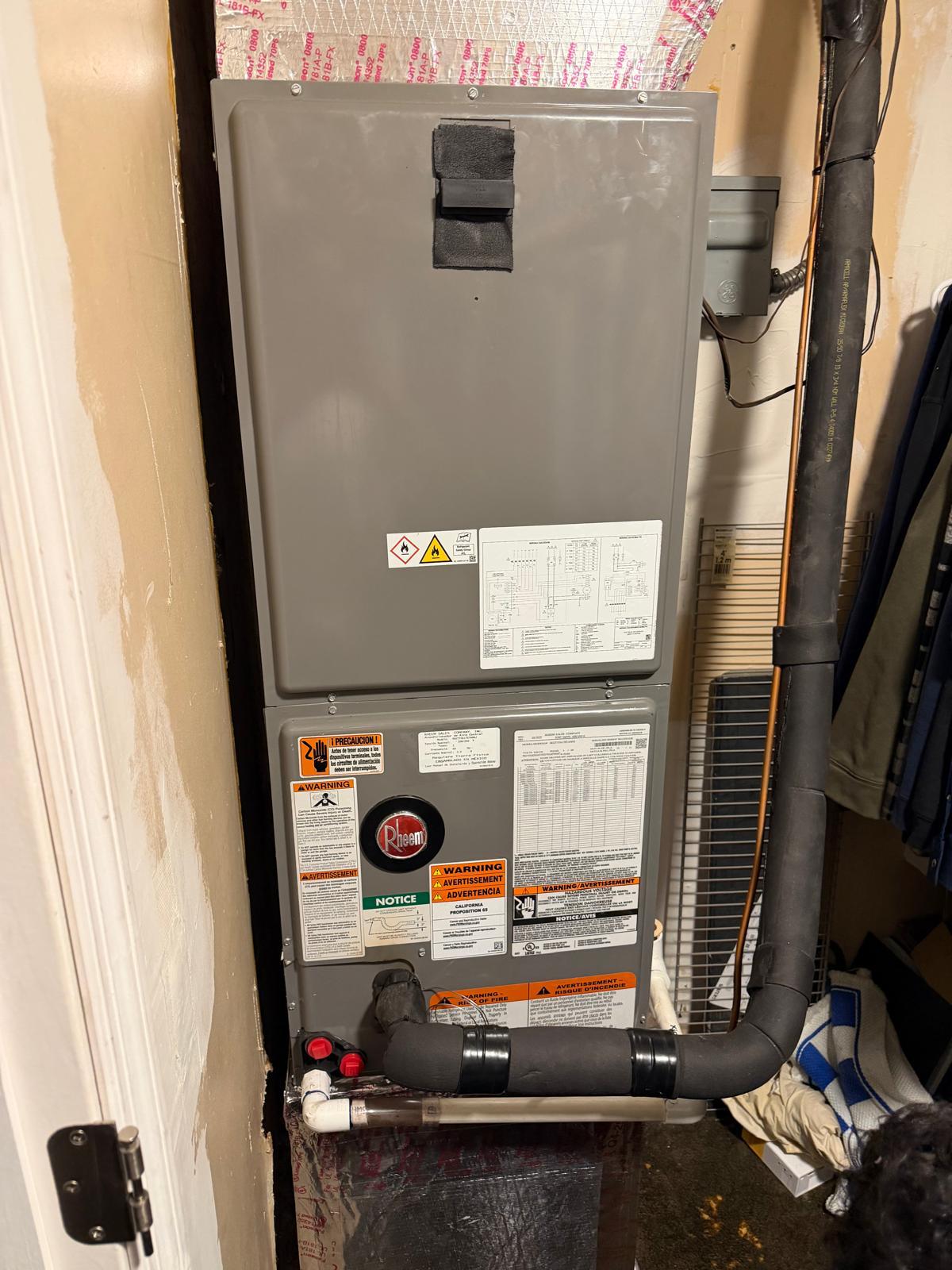
The Silent Threat: When Houston’s Humidity Turns Your Cool Sanctuary into a Swamp
Imagine this all-too-familiar Hollywood, FL nightmare, but transplant it to a sweltering Houston summer day. You walk in from the oppressive humidity, dreaming of that glorious chill, only to step into a puddle of water. Your AC unit, your home’s bastion against the Gulf Coast heat, is gurgling ominously, its cooling power gone. Soon, a musty odor begins to permeate your home, and that innocent puddle grows, threatening your floors and your peace of mind. This isn’t just an inconvenience; it’s a full-blown AC breakdown caused by a clogged drain line, a common yet often overlooked culprit in high-humidity environments like Houston, TX.
At Airus Air Services, while we pride ourselves on keeping homes comfortable in Hollywood, FL’s balmy climate, we understand that HVAC challenges span the nation. We know how crucial a properly functioning AC is, especially when facing average summer humidity levels often hovering above 80% in the Greater Houston area. A clogged AC drain line is more than just a minor hiccup; it can lead to extensive water damage, mold growth, and a complete system shutdown. The good news? Many of these issues are preventable, and addressing them promptly can save you significant headaches and expenses.
Understanding the Unseen: Why AC Drain Lines Clog in Humid Climates
Your air conditioner doesn’t just cool your air; it dehumidifies it. As warm, humid air passes over the evaporator coil, moisture condenses out of the air, much like water droplets forming on a cold glass. This condensate then drips into a pan and flows through a PVC or copper drain line, usually to the outside of your home. In a city like Houston, which experiences subtropical conditions for much of the year, this process produces a remarkable amount of water. On a typical 90-degree Fahrenheit day with 70% humidity, an AC unit can remove 5 to 20 gallons of water from your home daily!
The drain line, however, is a perfect breeding ground for algae, mold, and mildew. These microscopic organisms thrive in dark, damp environments and, over time, can form a slimy sludge that completely obstructs the pipe. Dust, dirt, and other debris can also contribute to these blockages. Once clogged, the water backs up, overflows the drain pan, and finds its way into your home. This biological buildup is a persistent issue for HVAC systems in the Houston area, and proactive measures are essential.
Early Warning Signs: Don’t Let a Drip Turn into a Deluge
Catching a drain line clog early can prevent costly repairs. Here are the tell-tale signs homeowners should never ignore:
- Standing Water: The most obvious sign. Puddles or damp spots around your indoor AC unit (air handler) or furnace (if it houses the evaporator coil).
- Musty Odors: A sure sign of mold or mildew growth, often accompanying stagnant water in the drain pan or line. This can also impact your indoor air quality.
- Gurgling Noises: Strange sounds coming from your AC unit or the drain line can indicate air struggling to pass through a partial blockage.
- Reduced Cooling or System Shutdown: Many modern AC units have safety floats that shut down the system when the drain pan overflows, preventing water damage. If your AC stops cooling unexpectedly, especially during peak humidity, a clogged drain line is a likely culprit.
- Overflow Switch Tripped: A small switch located in the condensate pan that cuts power to the outdoor unit to prevent leaks. If your outdoor unit isn’t running but the indoor unit is, check the drain pan.
Proactive Prevention: Keeping Your Cool with Clear Lines
Preventing drain line clogs is far easier and less expensive than dealing with the aftermath. Airus Air Services recommends these key strategies:
- Regular Professional Maintenance: Schedule annual AC tune-ups. A professional HVAC technician will inspect and clean the condensate drain line as part of a comprehensive service. This includes flushing the line, checking for biological growth, and ensuring all components are functioning optimally.
- DIY Flushing (Monthly): Between professional visits, you can perform a simple DIY flush. Locate the access point (usually a T-shaped vent with a cap) on your AC’s drain line near the indoor unit. Pour a cup of distilled vinegar (not bleach, as it can corrode parts over time) into the opening. This helps kill algae and prevent buildup. Wait about 30 minutes, then flush with a cup of warm water.
- Keep Filters Clean: A dirty air filter restricts airflow, which can cause the evaporator coil to freeze. When it thaws, it produces excess condensation, potentially overwhelming the drain line. Change your filters regularly – at least every 1-3 months, especially during Houston’s intense cooling seasons.
Maintaining comfort in diverse climates, from Los Angeles’s varying temperatures to the intense heat in Phoenix’s desert environment, requires specific expertise. Airus Air Services brings that level of understanding to your AC challenges.
When a Clog Strikes: What to Do and When to Call the Experts
If you suspect or discover a clogged drain line:
- Shut Off Your AC Immediately: Turn off both the thermostat and the outdoor unit at the breaker to prevent further water damage or electrical issues.
- Clear Standing Water: Mop up any visible water to protect your flooring and prevent mold.
- Attempt a Gentle Clear: If you’re comfortable, you can try to clear a minor clog. Many homeowners use a wet/dry shop vacuum to suction out the clog from the drain line’s outdoor exit point. Create a tight seal around the pipe and let the vacuum run for a few minutes. This often pulls out the obstruction.
- When to Call the Pros: If the above steps don’t work, or if you’re not comfortable performing them, it’s time to call Airus Air Services. Severe clogs might require specialized tools like an auger, nitrogen tank, or professional flushing equipment to clear safely without damaging the delicate AC components.
FAQs About AC Drain Line Clogs
- Q1: How often should I clean my AC drain line?
- A: Aim for once every 1-3 months with a DIY vinegar flush, and ensure it’s professionally checked during your annual HVAC maintenance.
- Q2: Can a clogged AC drain line cause mold?
- A: Absolutely. Stagnant water creates an ideal environment for mold and mildew to grow, not only in the pan and line but also potentially in your home’s structure if water leaks.
- Q3: Is a wet/dry shop vacuum effective for drain line clogs?
- A: Yes, it’s often a very effective DIY method for suctioning out minor to moderate clogs. Just ensure a good seal around the drain pipe.
- Q4: Why shouldn’t I use bleach in my AC drain line?
- A: While bleach kills biological growth, it can corrode certain materials in your AC system over time and produce harsh fumes. Distilled vinegar is a safer, gentler alternative.
- Q5: Can a clogged drain line