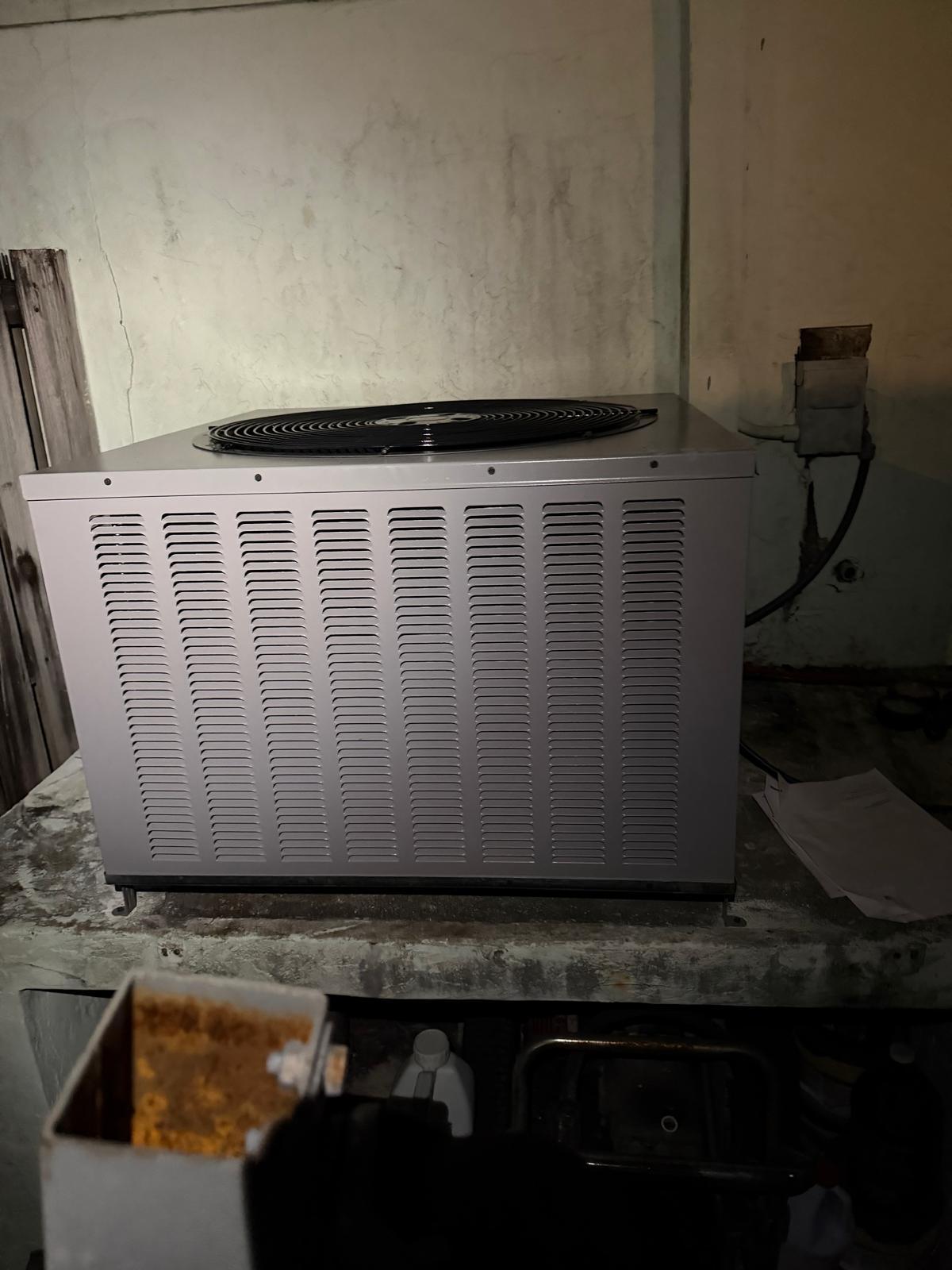
Are you prepared for the next significant evolution in home cooling technology affecting your Houston home?
The HVAC industry is on the cusp of a mandatory transition to A2L refrigerants. For homeowners in a city like Houston, where reliable air conditioning isn’t a luxury but a necessity for surviving the relentless heat and humidity, understanding this shift is crucial. Airus Air Services is here to provide a no-nonsense overview of what the A2L refrigerant transition means for your current and future AC systems.
The Impending Shift: Why A2L Refrigerants?
For decades, R-410A has been the workhorse refrigerant in most residential AC systems. However, its high Global Warming Potential (GWP) has driven regulatory bodies like the EPA to mandate its phase-down under the American Innovation and Manufacturing (AIM) Act. R-410A has a GWP of over 2,000, meaning it traps over 2,000 times more heat than carbon dioxide over a 100-year period if released into the atmosphere.
Enter A2L refrigerants, specifically R-454B and R-32, designed to drastically reduce environmental impact. These new refrigerants boast GWPs significantly lower, often in the range of 400-700. The transition officially kicks in on January 1, 2025, after which manufacturers can no longer produce new AC systems charged with high-GWP refrigerants. This isn’t just a technical update; it’s a proactive measure to combat climate change, ensuring Houston homeowners can stay cool responsibly. Airus Air Services remains at the forefront of this change, providing solutions that meet evolving environmental standards.
What Houston Homeowners Face: A Case Study Scenario
Imagine a typical Houston summer: temperatures routinely soaring into the high 90s with stifling humidity. Your AC system is your home’s most vital defense. As the 2025 deadline approaches, you’re faced with decisions regarding your existing unit or a potential upgrade. This transition presents a unique scenario:
- Existing R-410A Systems: You do NOT need to replace your current R-410A system immediately. Servicing and repairs using R-410A will continue to be possible for the foreseeable future, as reclaimed and recycled refrigerant will still be available. However, as R-410A production phases down, its cost for servicing might increase over time due to scarcity.
- New AC Installations: Starting in 2025, any new AC system installed will utilize an A2L refrigerant. This means different equipment designs, installation protocols, and technician training will be mandatory. For those considering new AC system installations, understanding these future-proof systems is critical. Whether in the rapidly expanding communities around the Grand Parkway or established neighborhoods near The Galleria, Airus Air Services provides expert guidance for every homeowner. This proactive approach is consistent with the high standards of service provided by Airus Air Services in Chicago and other areas we serve, where system efficiency and air quality are paramount.
Understanding A2L Refrigerants: Safety and Installation
The primary distinguishing factor of A2L refrigerants is their “mildly flammable” classification. This means they are difficult to ignite and require a much higher energy source and concentration compared to other flammability classes. To put it in perspective, propane (R-290), a highly flammable A3 refrigerant, is over 100 times easier to ignite than an A2L refrigerant.
Despite their mild flammability, new A2L-compatible AC systems and installation procedures incorporate enhanced safety features:
- System Design: New units feature leak detection sensors and specific electrical components designed to contain refrigerants and prevent ignition sources.
- Technician Training: Installation and servicing of A2L systems require specialized tools and extensive training. Our technicians at Airus Air Services are undergoing continuous education to ensure precise refrigerant compliance and services, adhering to all new safety protocols and guidelines, including those for Airus Air Services in Houston.
These advancements ensure that while the refrigerant is different, the safety of your home and the professionalism of its installation remain paramount.
Preparing Your Home for the Future of AC
While the transition offers long-term environmental benefits, immediate action isn’t required for most Houston households with functional R-410A systems. However, being informed is your best defense against unexpected issues:
- Planned Replacement: If your AC system is over 10-15 years old and frequently requires emergency AC repair, planning for an upgrade to a new A2L-compliant system makes financial and environmental sense. New systems often come with significantly higher SEER2 (Seasonal Energy Efficiency Ratio 2) ratings, meaning substantial energy savings in Houston’s demanding climate.
- Maintenance is Key: For your existing R-410A unit, investing in professional HVAC maintenance is crucial to extend its lifespan and avoid costly repairs or premature replacement during the transition period. Keeping your system optimized, particularly in a climate where AC runs almost constantly from April to October, is paramount.
- Consult Experts: The nuances of this transition can be complex. Consulting with knowledgeable professionals, such as Airus Air Services, will ensure you make informed decisions tailored to your specific situation, whether you’re dealing with the bayou humidity or the dry inland