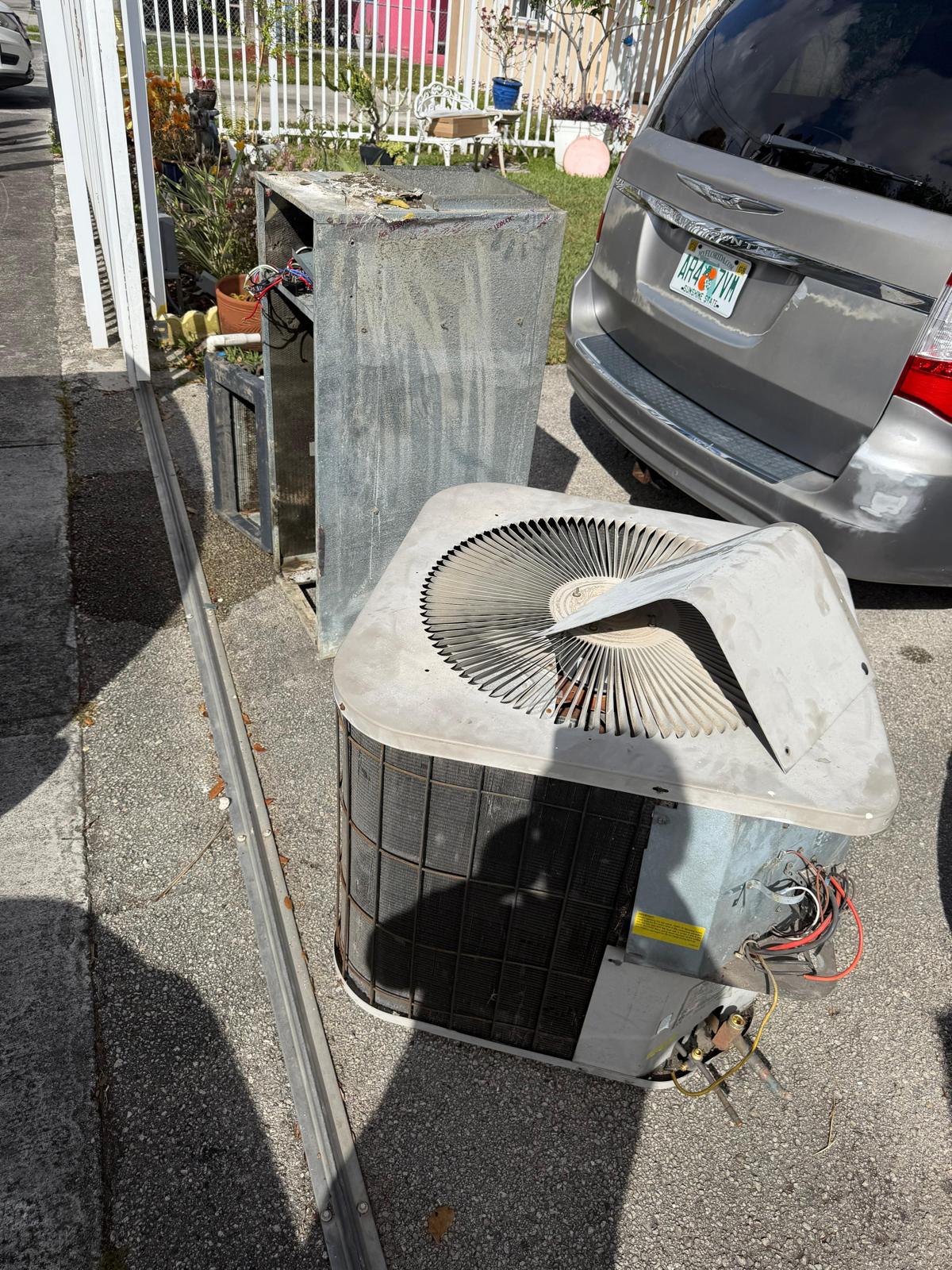
The afternoon sun beat down on The Heights, pushing temperatures into the triple digits. Inside, Sarah’s usually reliable AC unit sputtered, then went silent. That familiar, dreaded silence. She knew immediately: the compressor. The expense, the discomfort, the sheer hassle of sudden AC failure in a Houston summer is a nightmare no homeowner wants to endure. Unfortunately, it’s a reality far too many face.
While Airus Air Services proudly serves Hollywood, FL, we understand the relentless heat challenges faced by homeowners in similar climates, including those in Houston, TX. Your AC compressor is the heart of your cooling system. When it fails, your entire unit is useless, and repairs or replacements can be significantly expensive—often upwards of $2,000 to $3,000, sometimes even more. The good news? Many compressor failures are preventable with consistent, targeted maintenance. This isn’t about guesswork; it’s about practical steps you can take to protect your investment and maintain your comfort.
Understanding Your AC Compressor
At its core, your AC compressor is a high-power pump. It’s responsible for circulating refrigerant, compressing it, and moving it between the indoor and outdoor coils. This process is what allows your system to absorb heat from your home and release it outside, effectively cooling your living space. Without a functional compressor, the refrigerant cannot move, and no heat exchange occurs. Its intricate mechanics and constant operation under pressure make it one of the most critical—and most vulnerable—components in your entire HVAC system.
The Common Culprits of Compressor Failure in Houston
Houston’s unique climate, characterized by extreme heat and high humidity for much of the year, places exceptional strain on AC compressors. Several factors commonly lead to their premature demise:
- Overheating: Persistent high outdoor temperatures force the compressor to work harder, generating more heat. Inadequate airflow or dirty coils exacerbate this, leading to system overheating and eventual breakdown.
- Refrigerant Imbalances: Too much or too little refrigerant places immense stress on the compressor. Low levels, often due to leaks, starve the compressor of lubricant and cooling, causing it to overheat. High levels lead to excessive pressure, making the compressor labor excessively.
- Electrical Issues: Faulty wiring, worn capacitors, or inconsistent power supply can cause the compressor to struggle, leading to hard starting or complete failure. These issues are often subtle until they become catastrophic.
- Lack of Airflow: Clogged air filters, dirty evaporator coils, or obstructed condenser units significantly reduce airflow. This forces the compressor to run longer and harder, leading to overheating and reduced efficiency. Proper airflow management, including regular Airus Air Services in Houston style air duct cleaning, is crucial for system health.
Essential Maintenance Strategies to Prevent Failure
Taking a proactive approach to your AC maintenance can significantly extend the life of your compressor and avoid costly emergency AC repair.
Regular Filter Changes
This is the simplest yet most overlooked task. A dirty air filter restricts airflow, forcing your compressor to work harder. In Houston’s dusty and often humid environment, checking your filter monthly and replacing it every 1-3 months (depending on usage, pets, and allergies) is non-negotiable. It’s an inexpensive step that pays dividends in efficiency and longevity.
Coil Cleaning: Evaporator and Condenser
Your outdoor condenser coils can become clogged with dirt, leaves, and debris, while indoor evaporator coils can accumulate grime and mold. Both situations impede heat transfer, making the compressor overexert itself. Regularly hose down your condenser unit’s exterior fins (after turning off power) and schedule professional cleaning for both coils. Airus Air Services, much like our expertise in addressing similar challenges for Airus Air Services in Miami, understands the importance of clean coils for system efficiency.
Monitor Refrigerant Levels
Refrigerant is not consumed; if levels are low, there’s a leak. Operating with low refrigerant starves the compressor of necessary lubrication, leading to overheating and mechanical wear. Likewise, overcharging can cause dangerously high pressures. Only a certified HVAC technician can accurately check refrigerant levels and address leaks. Professional refrigerant level checks are vital.
Clear Around the Outdoor Unit
Ensure your outdoor condenser unit has at least two feet of clear space on all sides and above. Overgrown bushes, fences, or debris block essential airflow, trapping hot air and making your compressor work overtime to dissipate heat. This simple task takes minutes but can prevent hours of compressor strain.
Electrical Inspections
Faulty wiring, corroded terminals, or weak capacitors can stress your compressor. Capacitors, in particular, provide the vital jolt needed to start the compressor and maintain consistent operation. A failing capacitor can cause “hard starts” or prevent the compressor from turning on at all. An HVAC professional should inspect all electrical components annually. This is the kind of detail-oriented service Airus Air Services provides for our Hollywood, FL clients. For expert insight into system health, don’t hesitate to call us at (954) 627-1752.
The Value of Professional HVAC Inspections
While DIY maintenance is crucial, it’s not a complete solution. An annual professional tune-up by a qualified technician can identify developing problems before they escalate into compressor failure. Technicians can perform precise refrigerant level checks, clean coils more thoroughly, inspect electrical connections, and lubricate moving parts. This preventative diagnostic work is especially important for mitigating issues related to varying climate demands, a principle understood whether you’re dealing with the heat of South Florida or the general HVAC needs supported by Airus Air Services in Seattle.
FAQs: Your Compressor Questions Answered
Q1: How long do AC compressors typically last?
A: With proper maintenance, an AC compressor can last 10-15 years, often as long as the entire AC unit. Without regular upkeep, its lifespan can be cut in half.
Q2: Can I perform a refrigerant recharge myself?
A: No. Refrigerant handling requires specialized equipment and training due to environmental and safety regulations. Improper levels or types of refrigerant can severely damage your system and void warranties.
Q3: What are the signs of an impending compressor failure?
A: Watch for unusually loud noises (grinding, banging, squealing), frequently tripped breakers, warm air blowing from vents, or the outdoor unit struggling to start.
Q4: Is it cheaper to repair or replace a failed compressor?
A: Repairing a compressor can be expensive, often 50-70% of the cost of a new unit. If your unit is older than 10 years, or if other major components are also failing, replacement of the entire unit is usually the more cost-effective long-term solution.