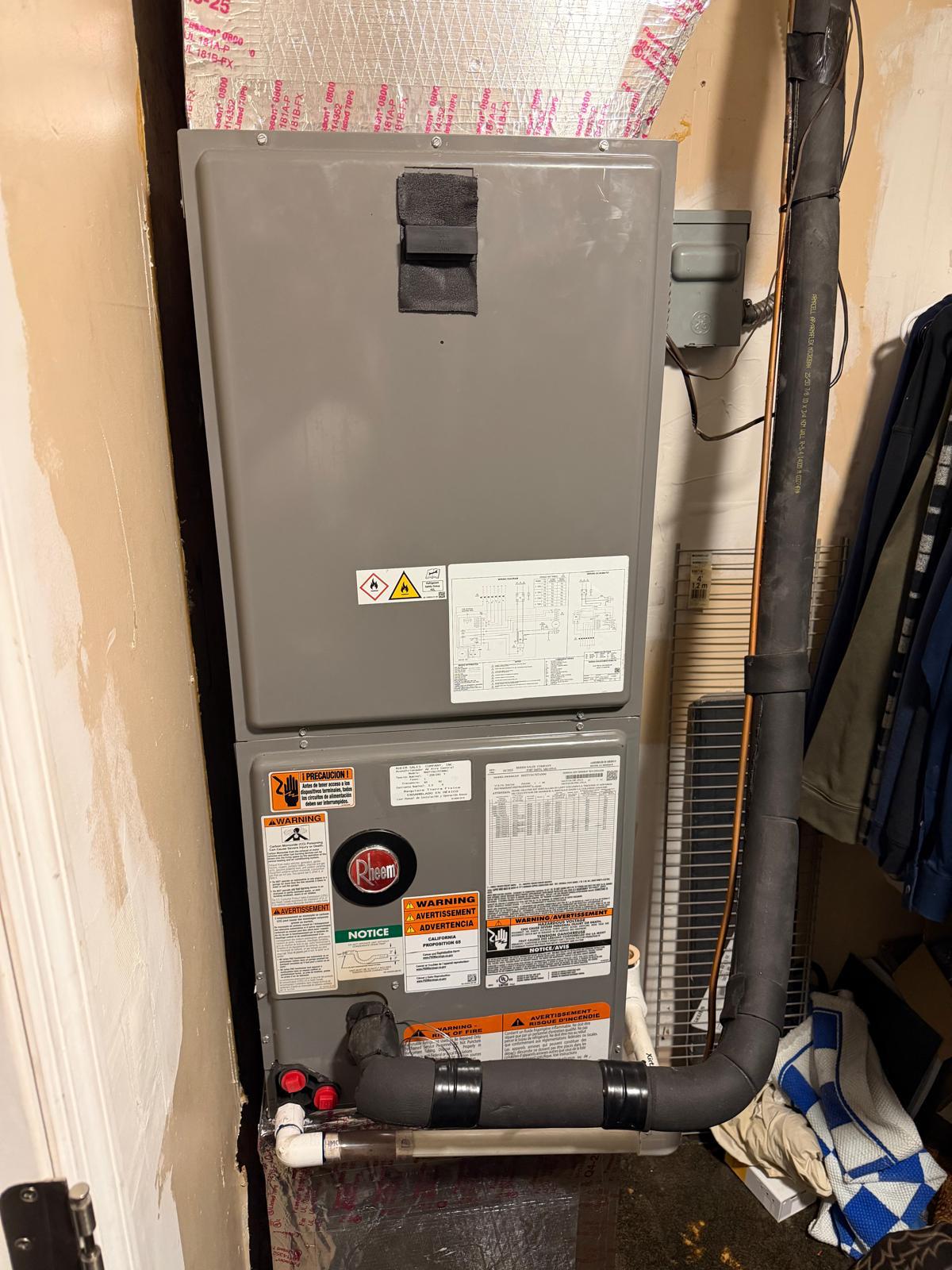
Picture this: It’s a brutal Chicago winter night, the kind where the wind whips off Lake Michigan and dives straight into your bones. You’re tucked in, thinking of spring, when suddenly – a cold draft. Then another. The thermostat reads 68 degrees, but it’s dropping fast. You check the furnace, and it’s completely silent. Nothing. Your home in Lakeview or Lincoln Park is rapidly turning into an icebox. This isn’t just uncomfortable; it’s a genuine emergency, especially with temperatures plummeting into the negatives. Scary thought, right?
That nightmare scenario is exactly why understanding your furnace’s lifespan and knowing when it’s time for a repair or replacement isn’t just good planning – it’s essential emergency preparedness. While Airus Air Services is proud to keep homes comfortable in Hollywood, FL, we believe in empowering every homeowner with crucial HVAC knowledge. So, let’s talk about your furnace, Chicago, and how to stay ahead of the freeze.
The Chilling Reality: When Your Furnace Fails in a Chicago Winter
There’s no worse time for a heating system to quit than during the coldest stretch of winter. For Chicagoans, this isn’t a hypothetical. The city averages around 100 days a year with temperatures below freezing. A furnace failure can lead to frozen pipes, health risks for the elderly and young children, and a mad dash for emergency repairs or temporary heating. This isn’t just about warmth; it’s about safety and protecting your biggest investment – your home. But with a bit of foresight, you can often avoid this unwelcome drama entirely.
What to Expect: The Average Lifespan of a Furnace
Generically speaking, most furnaces have a lifespan of about 15 to 20 years. However, this isn’t a hard and fast rule. Several factors can either extend or shorten this period. For example, a well-maintained furnace in a moderately used home might exceed 20 years, while a neglected unit in a household with heavy heating demands, especially facing the relentless Chicago winters, might struggle to hit 10-12 years. The quality of installation, the type of furnace, and most critically, consistent maintenance, all play huge roles.
Modern furnaces are designed with improved efficiency in mind, often achieving AFUE (Annual Fuel Utilization Efficiency) ratings of 90% or higher. However, as furnaces age, their efficiency can drop significantly, sometimes by as much as 5% to 10% in their later years. This means your older unit is working harder and costing you more money to achieve the same level of comfort.
Red Flags: Telling Signs Your Furnace is Nearing the End
Your furnace often gives you warning signs before it completely throws in the towel. Paying attention to these clues can save you from that emergency call in the middle of a blizzard. Keep an eye out for:
- Increasing Energy Bills: If your heating costs are steadily climbing, even when your usage habits haven’t changed, it’s a strong indicator your furnace is losing efficiency and working harder.
- Frequent Repairs: An older furnace that requires yearly, or even more frequent, repairs is likely nearing the end. The costs can quickly add up, pointing towards a replacement.
- Strange Noises: Banging, squealing, grinding, or rattling sounds are never a good sign. They often indicate mechanical problems like worn-out bearings, a faulty motor, or a cracked heat exchanger.
- Uneven Heating: If some rooms are toasty while others remain chilly, your furnace might be struggling to distribute heat effectively, or it could be an air duct issue. Airus Air Services in Chicago has some great information on air quality that might touch on related distribution problems.
- Yellow Pilot Light: For older furnaces with a pilot light, it should always be blue. A yellow or flickering pilot light can indicate carbon monoxide, a dangerous and odorless gas. This needs immediate attention.
- Excessive Dust or Dry Air: An aging furnace can struggle with humidity control or circulate more dust, impacting your indoor air quality. If you’re interested in improving the air quality in your home, consider checking out resources like those offered by Airus Air Services in Los Angeles, which often covers broader HVAC health topics.
The Big Decision: Repair or Replace?
This is the million-dollar question for many homeowners. When faced with a repair, you need to weigh the cost against the age and overall condition of your unit. A good rule of thumb is the “50% Rule”: if the cost of the repair is 50% or more than the cost of a new furnace, replacement is usually the smarter investment. Why? Because that expensive repair is often just a band-aid, and other components are likely to fail soon.
Consider the long-term benefits of a new unit. Modern furnaces are significantly more energy-efficient, meaning lower utility bills for years to come – a crucial factor for the high heating demands of Chicago winters. A new furnace also comes with a warranty and the peace of mind that comes with reliable heating. Choosing a new system often means considering elements like your home’s specific needs and local climate considerations, much like those discussed by Airus Air Services in Dallas for different environments.
Proactive Steps for Longevity (and Peace of Mind)
The best defense against a winter furnace emergency is proactive maintenance. This means regular inspections, tune-ups, and filter changes. At Airus Air Services, we can’t stress this enough – consistent maintenance can extend your furnace’s life by years, improve its efficiency, and catch minor issues before they become major breakdowns. It’s like getting regular check-ups for your car; it keeps everything running smoothly and safely. Even if you’re not in Hollywood, FL, where Airus Air Services primarily provides top-notch HVAC services, the principles of good HVAC care apply universally. Our phone number is (954) 627-1752 if you have general questions about maintaining your system.
Consider scheduling a professional furnace tune-up every fall. During these visits, a technician will clean components, check for wear and tear, test safety controls, and ensure your system is operating at peak efficiency. This small investment can prevent costly emergency repairs and keep your energy bills manageable. For more general advice on maintaining your HVAC system, many companies, including Airus Air Services, offer valuable resources on proper