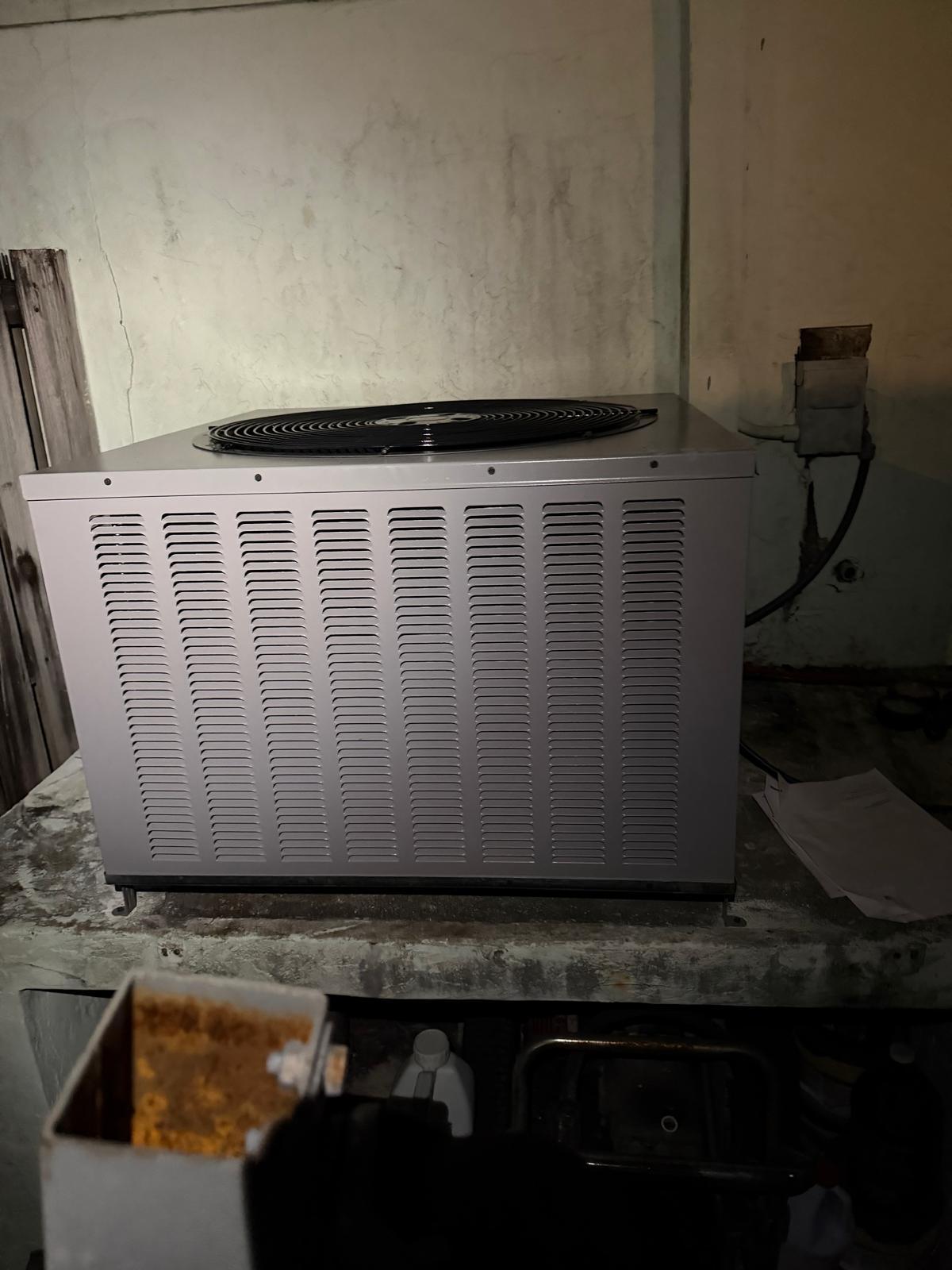
Your outdoor AC unit isn’t just a machine; it’s a silent (or not-so-silent) battleground in the ongoing war for neighborhood peace. Seriously. In sunny South Florida, especially in tightly packed communities from Coral Gables to Hollywood, FL, a perpetually roaring compressor can be more annoying than a flock of loud parakeets during an afternoon siesta. As your local HVAC experts at Airus Air Services, we’ve heard it all – from passive-aggressive glances over the fence to full-blown “my AC unit is going to give me an aneurysm” complaints. It’s a real issue, affecting property values, sleep quality, and the overall zen of your Miami-area abode. So, let’s dive into the common blunders homeowners make, turning their essential climate control into an acoustic nuisance.
The Gravest Mistake: Ignoring the Problem Until a Complaint (or Worse, a Divorce)
Mistake to Avoid: Treating Your AC Like a “Set It and Forget It” Appliance
Many homeowners in Miami believe their AC unit is a magical black box that just works. This couldn’t be further from the truth. Neglecting regular maintenance is like driving your car for years without an oil change – eventually, it’s going to seize up, often with a theatrical performance of grinding, rattling, and whining. Over time, components like fan motors, compressor isolators, and even refrigerant lines can wear down, leading to increased vibration and noise. A well-maintained unit, on average, can operate up to 20% quieter than one left to its own devices. Don’t let a squeaky fan motor be the soundtrack to your backyard BBQ. Regular AC maintenance helps prevent these issues before they become a cacophony. If you’re near Hollywood, FL, our team at Airus Air Services is just a call away for an inspection.
Mistake to Avoid: Ignoring Optimal Placement During Installation
While often decided during construction, some homeowners or previous installers might have placed the outdoor unit in the most convenient spot, not the quietest. Is your unit directly under a bedroom window? Is it practically touching your neighbor’s outdoor patio area? This oversight, while seemingly minor at installation, can become a major headache. Poor placement amplifies sound, making every compressor cycle feel like a personal affront to peace and quiet. If you’re considering a new AC system installation, thinking about the best spot for noise reduction is key – perhaps slightly further from a sensitive area, even if it means a little extra piping. Modern units offer more flexibility, which can be explored by experts like Airus Air Services in Miami.
Mistake #2: DIY Solutions That Make Things Worse (or Just Uglier)
Mistake to Avoid: Building an Enclosure That Suffocates Your Unit
It’s tempting to hide that big, boxy AC unit behind a fancy wooden screen or a solid enclosure. The thought is, “Out of sight, out of mind, and out of earshot!” However, if designed improperly, these enclosures can actually restrict airflow around the unit. An AC unit needs plenty of space to breathe and efficiently disperse heat. When airflow is compromised, the unit has to work harder, generating more heat, consuming more energy, and guess what? Getting louder. Not only that, but it shortens the lifespan of your unit, a costly mistake in Hollywood, FL’s scorching summers. If you’re considering a structure, ensure it’s built with ample gaps for ventilation – at least two feet on all sides and unobstructed overhead.
Mistake to Avoid: Randomly Stuffing Sound-Dampening Materials into the Unit
While specialized acoustic blankets exist for certain AC compressors (and should only be installed by a professional), randomly stuffing insulation, foam, or blankets into the gaps of your outdoor unit is a recipe for disaster. These materials can block critical vents, trap moisture leading to rust and mold, and even pose a fire hazard if they come into contact with electrical components. Plus, they can attract pests looking for a cozy new home. The problem usually isn’t solved by adding internal padding; it’s often a mechanical issue. If you’re experiencing unusual noises, call a professional like Airus Air Services at (954) 627-1752 before you turn your AC unit into a moldy, fire-prone noise machine.
Mistake #3: Neglecting Professional Diagnosis and Upgrades
Mistake to Avoid: Assuming All Noise is “Normal”
A gentle hum and the whoosh of a fan are normal. A grinding, clanking, screeching, or buzzing noise, however, is not. Many homeowners mistakenly assume these alarming sounds are just “how old AC units operate.” False! These sounds are often indicators of serious underlying problems: failing motor bearings, loose fan blades, issues with the compressor, or even refrigerant leaks. Ignoring these red flags won’t make them go away; it’ll only lead to more expensive repairs down the line or a complete system breakdown. A typical AC unit operates around 60-70 decibels. If yours sounds significantly louder, it’s time for an expert AC repair diagnosis.
Mistake to Avoid: Sticking With Ancient, Inefficient Tech
Older AC units, by design, tend to be significantly louder than their modern counterparts. Technological advancements have brought forth variable-speed compressors and fan motors that operate at much lower decibel levels. If your unit has been cooling your home since the Miami Vice days, it might be time for an upgrade. A new, high-efficiency system not only significantly reduces noise output but also dramatically lowers your energy bills, which is a big deal in South Florida. Upgrading to a new, quieter unit can improve your home’s comfort and your neighbors’ happiness. We offer superior installation services in areas like Los Angeles, but our roots are strong in Hollywood, FL, just like Airus Air Services in Los Angeles caters to similar climates.
Mistake #4: Ignoring the “Neighborly” Aspect (It’s a Two-Way Street, Darlins’)
Mistake to Avoid: Failing to Communicate (Before It Escalates to a Turf War)
If your neighbor’s unit is bothering you, or if you suspect yours is bothering them, open a polite dialogue. Ignoring the issue won’t make the noise magically disappear, and passive-aggressive lawn care won’t fix a compressor. A simple, “Hey, I noticed my AC unit is making a bit of a racket, and I’m looking into it” can go