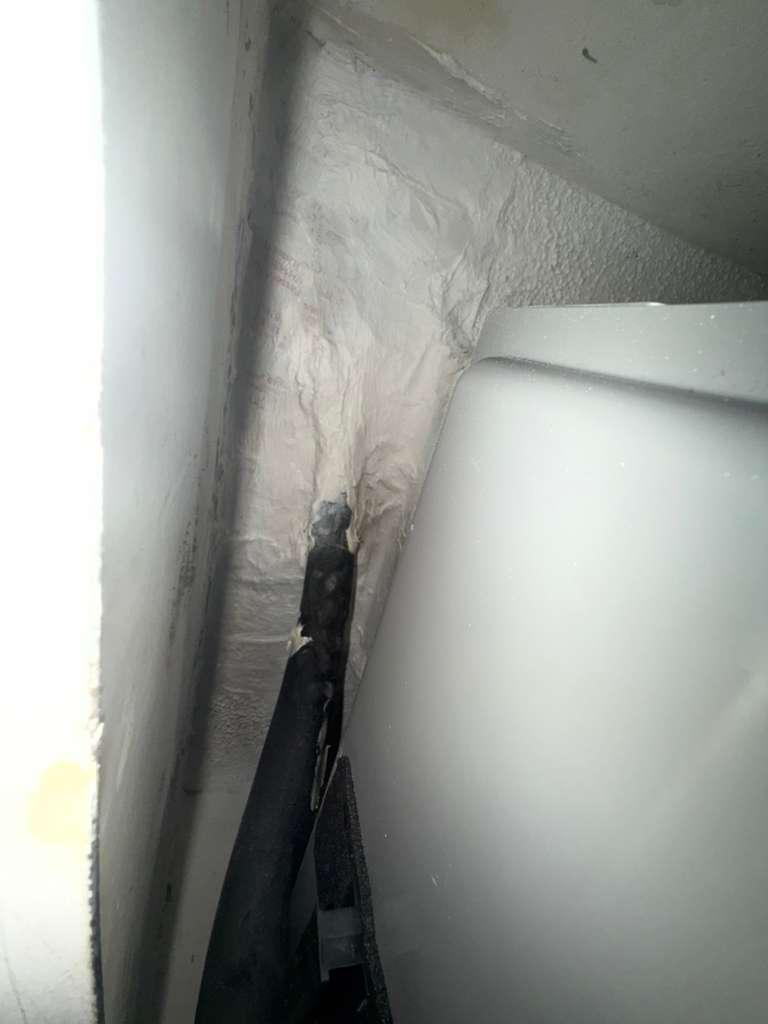
Imagine a biting Chicago winter night. Outside, temperatures plummet far below freezing, wind whips off Lake Michigan, and you rely on your furnace to keep your home warm and safe. But what if that very system, your trusted guardian against the cold, harbored a silent, invisible killer? This isn’t a scene from a thriller; it’s the very real threat posed by a cracked heat exchanger in your furnace, capable of leaking deadly carbon monoxide into your living space without warning. While the prospect is frightening, understanding the danger and knowing the signs is the first crucial step towards prevention and ensuring your family’s safety.
The Silent Threat: Understanding Your Furnace’s Heat Exchanger
In the frigid depths of a Chicago winter, when temperatures regularly dip into the single digits, your furnace’s heat exchanger is working overtime. This critical component is designed to keep combustion byproducts, including carbon monoxide (CO), separate from the air circulated through your home. Natural gas or propane burns inside the heat exchanger, warming its metal walls. A blower then pushes cool indoor air over these hot walls, heating it before distributing it throughout your house. A robust heat exchanger means clean, safe heat. However, the constant expansion and contraction from extreme temperature changes over years of service can cause the metal to fatigue and eventually crack. These hairline fractures, often invisible to the naked eye, create a pathway for harmful gases to enter your indoor air.
When you consider the harsh winters from Lincoln Park to Hyde Park, where furnaces endure relentless use, the integrity of these components becomes paramount. Regular maintenance is not merely a convenience; it’s a vital safety measure. Airus Air Services, as HVAC experts, stresses that knowing the warning signs can quite literally save lives.
Key Indicators of a Compromised Heat Exchanger
Catching a cracked heat exchanger early is crucial. Here are the tell-tale signs Chicago homeowners should never ignore:
1. Soot or Carbon Buildup
Examine the interior of your furnace, particularly around the burner assembly and heat exchanger. The presence of excessive soot, black marks, or carbon flakes suggests incomplete combustion, a common symptom of a failing heat exchanger. A healthy furnace should burn cleanly.
2. Persistent, Unusual Odors
While often odorless, CO can sometimes be accompanied by other gases produced by inefficient combustion. If you notice a strong, unusual chemical smell, often described as similar to formaldehyde, paint thinner, or even an odor like burning plastic, emanating from your furnace, investigate immediately. This indicates a combustion problem that could be tied to a crack.
3. Physical Damage or Corrosion on the Furnace Itself
Over time, the high heat and condensation within the furnace can lead to corrosion or rust, especially on older units common in many Chicago homes. Visually inspect the furnace cabinet and exhaust flue for any signs of cracking, rust, or noticeable physical deterioration. While not direct evidence of a heat exchanger crack, it points to an aging system that warrants professional scrutiny. Early detection through comprehensive furnace maintenance services can prevent minor issues from becoming dangerous ones.
4. Changes in Flame Appearance
When your furnace’s burners ignite, the flame should be a steady, crisp blue. If you observe a lazy, flickering yellow or orange flame, it signals incomplete combustion and a potential problem with your heat exchanger or gas-to-air mixture. This warrants an immediate inspection by a qualified HVAC technician.
5. Frequent Furnace Cycling or Inefficient Heating
A furnace with a compromised heat exchanger may struggle to heat your home effectively. You might notice it running for shorter periods but more frequently (short cycling), or failing to reach the thermostat’s set temperature, leaving parts of your home, say, in a drafty Wrigleyville brownstone, noticeably colder. This inefficiency could be a result of the system struggling to contain the heat properly due to a breach.
6. The Carbon Monoxide Detector’s Warning
This is the most critical sign. If your CO detector sounds its alarm, it’s not just a warning—it’s an emergency. Immediately evacuate your home and call emergency services and your HVAC provider, like Airus Air Services. Do not re-enter until authorities declare it safe. A CO alarm is a definitive indicator that carbon monoxide is present, and a cracked heat exchanger is a leading cause in furnace-equipped homes.
Why Annual HVAC Inspections are Non-Negotiable in Chicago
Chicago’s weather demands robust heating, and the constant stress on furnaces makes annual inspections absolutely essential. A professional HVAC technician has specialized tools, such as combustion analyzers and boroscopes, to detect even the smallest, hidden cracks that homeowners cannot see. These experts can assess the full health of your system, ensuring it operates safely and efficiently. Airus Air Services strongly recommends an annual preventative maintenance check for all heating systems before the cold weather sets in. This proactive approach not only safeguards your family from CO exposure but also extends the life of your furnace and improves energy efficiency, saving you money on utility bills that can climb significantly during peak winter months.
Whether you’re concerned about your furnace’s safety or simply need a routine check-up, our team is equipped to provide expert guidance. We’ve seen similar issues in various climates, from the bustling streets of Airus Air Services in Houston to the sunny locales requiring reliable AC solutions, but the urgency for furnace safety in Chicago is particularly acute. For immediate assistance or to schedule a professional inspection, don’t hesitate to call us at (954) 627-1752.
FAQ: Cracked Heat Exchangers & Furnace Safety
Here are answers to common questions about heat exchangers and furnace safety:
-
Q: How serious is a cracked heat exchanger?
A: Extremely serious. It can leak carbon monoxide, an odorless, colorless, and highly toxic gas, into your home, leading to severe health issues, brain damage, or even death. It is considered a critical safety hazard. -
Q: Can I fix a cracked heat exchanger myself?
A: No. A cracked heat exchanger cannot be safely repaired. Once a crack is detected, the standard recommendation by HVAC professionals and manufacturers is to replace the heat exchanger itself (if feasible for the unit) or, more commonly, the entire furnace. Attempting a DIY fix is extremely dangerous and ill-advised. -
Q: How long do heat exchangers typically last?
A: The lifespan of a heat exchanger varies, but it typically aligns with the furnace’s overall lifespan, which is usually 15-20 years for a well-maintained unit. Factors like climate, maintenance frequency, and initial build quality can influence this. Older units, especially those past 15 years, are at higher risk. -
Q: What causes heat exchangers to crack?
A: The primary cause is thermal fatigue. Constant heating and cooling cycles cause the metal to expand and contract repeatedly, eventually leading to stress fractures. Poor maintenance, oversized units, and manufacturing defects can also contribute. This is why thorough inspections are so important, whether you are in Airus Air Services in Chicago or in warmer climates needing HVAC repair in Hollywood, FL. -
Q: Should I install a carbon monoxide detector?
A: Absolutely, yes. Every home with fuel-burning appliances (furnaces, water heaters, gas stoves) or an attached garage should have CO detectors installed on every level and near sleeping areas. They are a crucial line of defense against this silent killer. -
Q: What happens if I ignore the signs of a cracked heat exchanger?
A: Ignoring these signs puts your household at severe risk of carbon monoxide poisoning. Symptoms can range from headaches, dizziness, and nausea to unconsciousness and fatality. Continued operation of a furnace with a cracked heat exchanger is a direct threat to life. -
Q: Does homeowners insurance cover furnace replacement due to a cracked heat exchanger?
A: This varies by policy and the cause of the crack. Typically, damage due to sudden accidents (like a burst pipe causing furnace damage) might be covered, but issues arising from age, wear and tear, or lack of maintenance usually are not. It’s best to consult your specific insurance provider. Ensuring all your HVAC systems, from your furnace to your Airus Air Services in Dallas home, are well-maintained can mitigate risks.
Your Family’s Safety is Our Priority
Don’t let the silent danger of a cracked heat exchanger threaten your home’s comfort and safety. As a trusted partner in HVAC services, Airus Air Services emphasizes the importance of vigilance and professional expertise. If you notice any of the warning signs, or if your furnace is simply due for its annual check-up, especially ahead of another demanding Chicago winter, don’t delay. Proactive maintenance is not just about extending your furnace’s life; it’s about protecting what matters most. For expert inspection and reliable HVAC solutions, contact Airus Air Services today.
Call Airus Air Services at (954) 627-1752 to schedule your comprehensive furnace inspection and ensure your peace of mind this heating season.