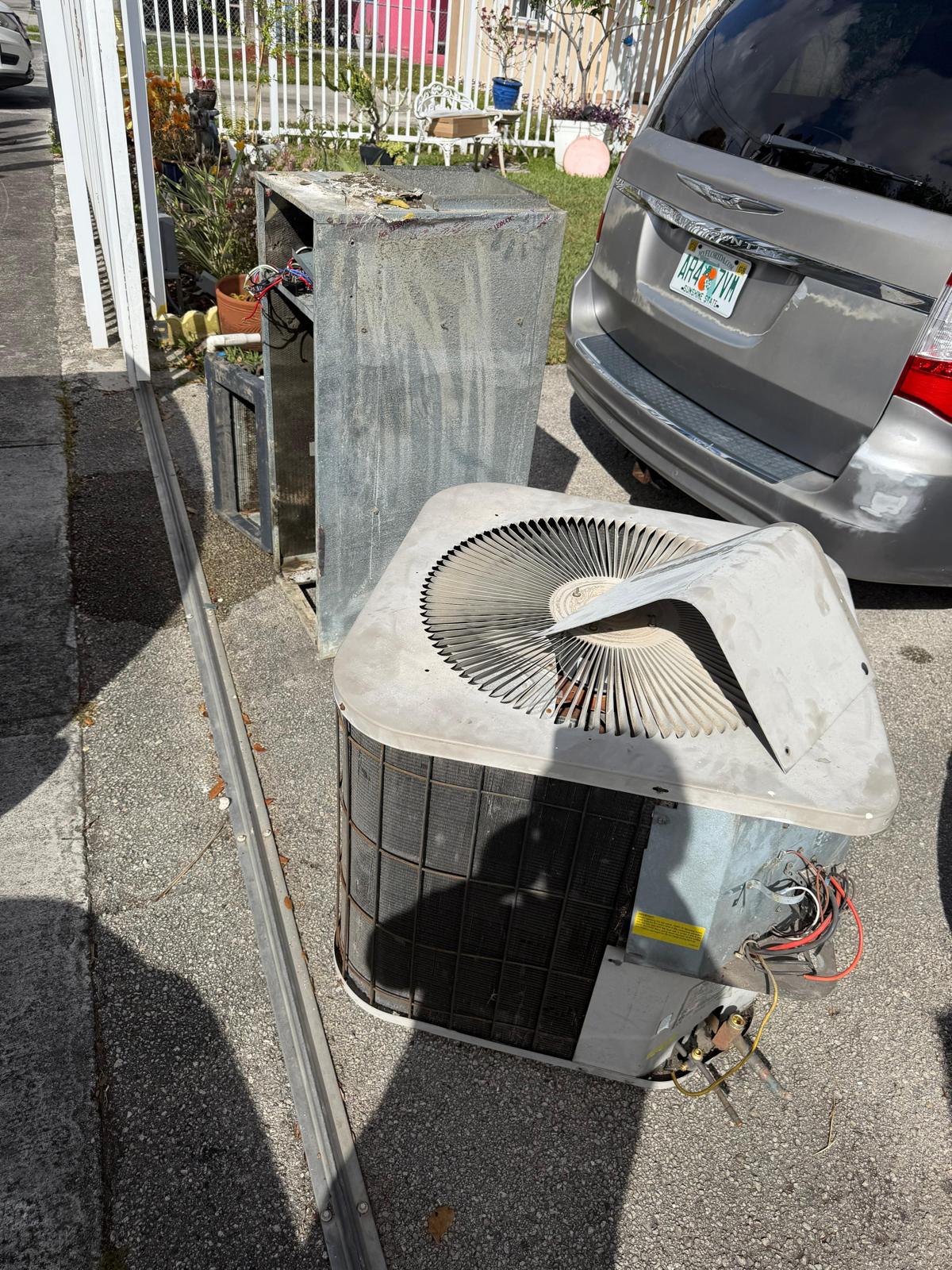
The climate of South Florida has long dictated a vigilant approach to home maintenance, especially concerning the annual hurricane season. From Hurricane Andrew’s devastating impact in 1992 to the more recent brushes with Irma and Ian, Hollywood, FL, residents understand the inherent risks. This necessity gave rise to a crucial post-storm ritual: the thorough inspection of household systems. Among these, the HVAC system stands paramount, not just for comfort, but for preserving the structural integrity of your home in our persistently humid environment. A damaged or compromised HVAC system can quickly lead to secondary issues like mold growth, further compounding post-storm recovery efforts.
Why a Post-Storm HVAC Checkup is Non-Negotiable in Hollywood, FL
Hollywood’s unique coastal location makes its homes particularly vulnerable to specific storm-related HVAC damage. High winds can hurl debris, damaging condenser fins or even dislodging entire outdoor units. Heavy rains lead to potential flooding, compromising electrical components or infiltrating ductwork. Power surges, common during grid fluctuations, can fry critical circuit boards and compressors. Furthermore, the persistent salt spray from our proximity to the Atlantic Ocean accelerates corrosion, weakening components that might otherwise survive a storm intact. The reality is, even if your HVAC system appears to be working after a storm, underlying damage can manifest as reduced efficiency, premature breakdowns, or even safety hazards. Investing in a professional checkup ensures the system is not just operational, but operating safely and efficiently, a necessity in Florida’s year-round heat and humidity, which often lingers well after a storm passes.
DIY Post-Storm HVAC Checks: What You Can Safely Do
While a professional assessment is always recommended, there are several initial steps homeowners can take to identify obvious issues and prepare for expert intervention. These checks are primarily visual and aim to assess external damage without tampering with electrical or refrigerant lines. Remember, safety is paramount; never approach a system if there’s standing water or visible electrical damage.
Exterior Unit Inspection
Carefully walk around your outdoor condenser unit. Look for any visible damage like bent or crushed fins, dislodged panels, or debris (branches, leaves, trash) caught in or around the unit. Clear away any loose debris to ensure proper airflow once the unit is operational. Check the concrete pad it sits on; has it shifted? Are the refrigerant lines or electrical conduit visibly damaged or kinked? In some cases, severe winds can cause the unit to shift on its pad. This initial visual scan can help you determine the severity of any potential issues before taking further steps.
Interior Unit & Thermostat
Inspect your indoor air handler or furnace. Look for any signs of water leaks around the unit or in the drain pan. Check the condensate drain line for blockages or disconnections, a common issue leading to overflows. Ensure your thermostat is receiving power and displaying correctly. If power was lost, try cycling the breaker for the HVAC system once it’s safe to do so. Listen for unusual noises or smells when you attempt to restart the system, but do not force it if it’s struggling or making alarming sounds.
Air Filters
Access your air filter. If water has entered your ductwork or air handler, your filter could be wet or show signs of mold. A damp or clogged filter not only restricts airflow but also becomes a breeding ground for mold and bacteria, circulating spores throughout your home. Replace any wet or excessively dirty filters immediately, as this is a relatively easy and crucial step in maintaining indoor air quality.
When to Call the Professionals: The Airus Air Services Difference
While DIY checks offer peace of mind, they only scratch the surface. Complex HVAC systems require specialized tools, training, and an understanding of intricate electrical and mechanical components. This is where Airus Air Services comes in, serving Hollywood, FL, with expert post-storm HVAC diagnostics. Our technicians are trained to identify subtle damage that could lead to significant problems down the line, from compromised electrical connections to refrigerant leaks, often exacerbated by the saline environment near the coast. We recommend calling us at (954) 627-1752 if you notice any unusual noises, smells, reduced cooling, or any visible damage beyond simple debris accumulation.
Advanced Diagnostics & Repairs
A professional inspection by Airus Air Services includes a comprehensive multi-point check of your entire HVAC system. We examine electrical components for hidden shorts or corrosion, test refrigerant levels and inspect lines for leaks, and assess the structural integrity of your indoor and outdoor units. For instance, after a severe storm, the wiring within your outdoor unit might experience hairline cracks or corrosion from rain and high humidity, even if it looks intact externally. Our team meticulously inspects and tests these vital components. We also specialize in essential services like AC coil cleaning service, which is vital after storms that can introduce fine particles and debris into the system, impairing heat transfer. If you’re encountering HVAC issues in Airus Air Services in Los Angeles, Airus Air Services in Seattle, or Airus Air Services in Denver, remember Airus offers a wide range of services. Moreover, issues with duct leak repair often become evident post-storm due to shifting foundations or water intrusion affecting the integrity of your ductwork.
The Long-Term Benefits of Professional Post-Storm Care
Opting for a professional post-storm HVAC checkup with Airus Air Services is not just about immediate repairs; it’s a strategic investment in the longevity and efficiency of your system. According to industry data, HVAC systems that undergo regular professional maintenance can last up to 40% longer than those that don’t. A post-storm check prevents small, unnoticed issues from escalating into major, expensive failures. It ensures your system operates at peak efficiency, saving you money on utility bills, and most importantly, provides consistent, reliable comfort when Hollywood, FL, needs it most. Preventative care minimizes the chances of needing emergency HVAC repair services during peak season.
FAQ: Post-Storm HVAC System Checkup
- Q1: How soon after a storm should I check my HVAC system?
A: Once it is safe to do so and power has been fully restored and stabilized, a visual DIY check can be done immediately. For a professional assessment, schedule as soon as possible to mitigate potential lingering damage. - Q2: Can I run my AC if it looks okay, but the power flickered a lot during the storm?
A: While a visual inspection might show no external damage, frequent power fluctuations can cause internal electrical component stress or damage. It’s advisable to have a professional from Airus Air Services inspect the electrical system before prolonged operation to prevent further issues. - Q3: What’s the biggest hidden danger to my HVAC after a storm?
A: Internal electrical damage, particularly to the compressor and control boards, due to power surges, and water ingress into sensitive components or ductwork leading to mold growth, are significant hidden dangers. - Q4: Does my homeowner’s insurance cover HVAC storm damage?
A: Most homeowner’s insurance policies cover storm damage to HVAC systems, especially from wind or flood. However, coverage details vary significantly. Always review your specific policy and contact your insurance provider promptly to understand your coverage and claims process. - Q5: Why is salt air a particular concern for Hollywood, FL HVAC units after a storm?
A: Coastal storms often bring increased salt spray and moisture, accelerating corrosion on the metal components of your outdoor unit. This can weaken fins, coils, and electrical connections, reducing efficiency and lifespan if not addressed. - Q6: How can I prepare my HVAC before a storm?
A: Secure your outdoor unit if possible (check manufacturer guidelines), clear debris from around it, and most importantly, turn off the power to your HVAC system at the breaker to protect it from power surges. - Q7: What if my AC seems fine but isn’t cooling well after a storm?
A: Reduced cooling can indicate a refrigerant leak, clogged coils, a damaged fan motor, or electrical issues affecting compressor performance. These problems require professional diagnosis and repair, even if they aren’t immediately obvious.
Don’t leave your comfort to chance after a storm. Your HVAC system is a critical investment for your Hollywood, FL, home. For a thorough, expert post-storm HVAC system checkup, trust the professionals at Airus Air Services. We’re here to ensure your system is running safely, efficiently, and reliably. Call us today at (954) 627-1752 to schedule your inspection and regain your peace of mind.