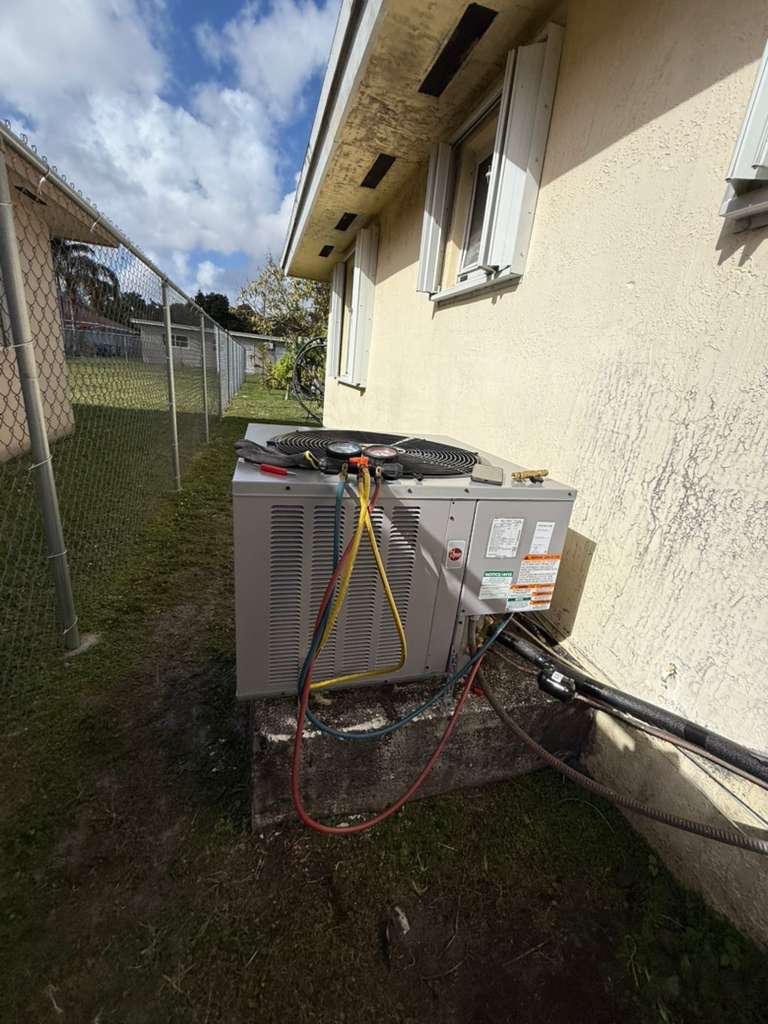
There's a distinct dread that settles in when you hear an unfamiliar scuttling in the walls or catch a strange, musky odor wafting from your vents in your Houston home. You dismiss it at first, perhaps it's just the house settling or a neighbor's pet, but the unsettling truth might be far more insidious: pests have invaded your ductwork. This isn't just an unpleasant thought; it's a serious problem that significantly impacts your home's HVAC system and the very air you breathe.
The Hidden Truth: Pests in Your Ductwork
Ductwork provides a surprisingly attractive haven for a variety of unwelcome guests, especially in a city like Houston with its humid climate and sprawling urban-wilderness interface. Rodents, insects like cockroaches, spiders, and even small birds or reptiles can find their way into these dark, protected pathways. Once inside, they find shelter, warmth, and often, an uninterrupted path throughout your entire home. They can enter through small cracks in your home's exterior, unsealed duct connections, or even damaged vent covers.
These creatures aren't just passing through; they're setting up shop. Nests, droppings, and food stashes become permanent fixtures within your air distribution system. A study by the EPA indicates that indoor air can be 2 to 5 times more polluted than outdoor air, and pest infestations within ducts are a significant contributor to this statistic.
Major Impacts on Your HVAC System's Performance
The presence of pests in your ductwork is more than just a cleanliness issue; it's a direct threat to your HVAC system's efficiency and longevity. Here’s how these invaders compromise your comfort:
- Blockages and Restricted Airflow: Nests built from insulation, fabric scraps, or debris can significantly impede airflow. This forces your HVAC system to work harder, leading to higher energy bills and diminished heating or cooling capacity.
- Damaged Ductwork: Rodents, in particular, are notorious chewers. They can gnaw through duct insulation, flexible ducts, and even electrical wiring within or near your HVAC unit. Such damage leads to air leaks, further reducing efficiency, and can even pose fire hazards.
- System Contamination: Pest droppings, urine, and decomposing bodies contribute to unpleasant odors circulated throughout your home. This organic matter can also become a breeding ground for bacteria and mold, exacerbating system contamination.
- Increased Wear and Tear: When your system struggles against blockages or leaks, its components (like the blower motor) endure increased strain, accelerating wear and tear and potentially leading to premature system breakdowns. Airus Air Services has seen firsthand the premature failures caused by neglected duct issues.
Grave Health Risks for Houston Residents
Perhaps the most alarming consequence of pests in your ductwork is the direct threat to your family's health. The air circulating through your home acts as a carrier for all the contaminants left behind by these creatures:
- Allergens and Irritants: Pest droppings, urine, shed skin, and dander are potent allergens. When these are dispersed through your vents, they can trigger allergic reactions, asthma attacks, and general respiratory irritation in susceptible individuals. This is especially problematic in Houston's already challenging allergy season.
- Pathogen Transmission: Rodents and cockroaches carry various bacteria, viruses, and parasites. When these pathogens aerosolize and enter your living space, they can increase the risk of illnesses, including Hantavirus, Salmonella, and E. coli, as well as exacerbating respiratory issues.
- Mold Growth: Pest waste often introduces moisture and organic matter into the ductwork, creating an ideal environment for mold and mildew to flourish. Spores from mold can cause a range of health problems, from nasal congestion and coughing to serious respiratory infections. This is particularly relevant given Houston’s high humidity, which naturally promotes mold growth if conditions are right. For residents experiencing these issues, comprehensive Airus Air Services in Houston is critical to ensure proper air quality.
Identifying the Signs: A Homeowner's How-To Guide
Early detection is crucial to mitigate damage and health risks. Keep an eye out for these tell-tale signs in your Houston home:
- Unusual Noises: Scratching, scurrying, squeaking, or buzzing sounds coming from your walls or vents are often the first indicator. These noises are typically more prominent at night when pests are most active.
- Foul or Musty Odors: A persistent, unexplained stench – often described as musky, rotten, or like urine – indicates animal waste or even decomposition within your ducts.
- Visible Evidence: Look for droppings near air vents, chewed insulation around duct entry points, or actual sightings of insects or rodents in your home (they often enter through the ducts).
- Inconsistent Airflow: If some rooms feel significantly hotter or colder than others, or if airflow from specific vents is weak, it could be due to a blockage in the ductwork.
- Increased Allergies or Illness: If family members are experiencing unexplained allergies, respiratory issues, or frequent illnesses without obvious external causes, contaminated indoor air could be the culprit. Consider an inspection by professionals like Airus Air Services in Los Angeles, who bring broad expertise.
Proactive Steps and Professional Solutions
Addressing pests in your ductwork requires a multi-faceted approach. While you should contact a pest control professional for extermination, addressing the HVAC-specific issues falls under the expertise of companies like Airus Air Services:
- Seal Entry Points: Thoroughly inspect your home's exterior for cracks, gaps around pipes, and unsealed entry points. Ensure vent covers are intact and properly screened.
- Professional HVAC Inspection: Schedule regular inspections with a qualified HVAC technician. They can identify potential entry points, signs of pest activity within your ducts, and damage to your system.
- Expert Air Duct Cleaning: Once pests have been removed, professional air duct cleaning services are essential to remove all traces of waste, nesting materials, and contaminants. This significantly improves indoor air quality. Airus Air Services recommends thorough cleaning following any pest infiltration.
- Duct Sealing and Repair: After cleaning, any damaged ductwork should be repaired or replaced, and all connections properly sealed to prevent future intrusions.
- Ongoing Comprehensive HVAC Maintenance: Regular maintenance helps keep your system in top condition and allows technicians to spot potential issues early. This level of diligence is common practice for clients served by Airus Air Services in Phoenix, for instance.
Frequently Asked Questions (FAQ)
Q: Can pests