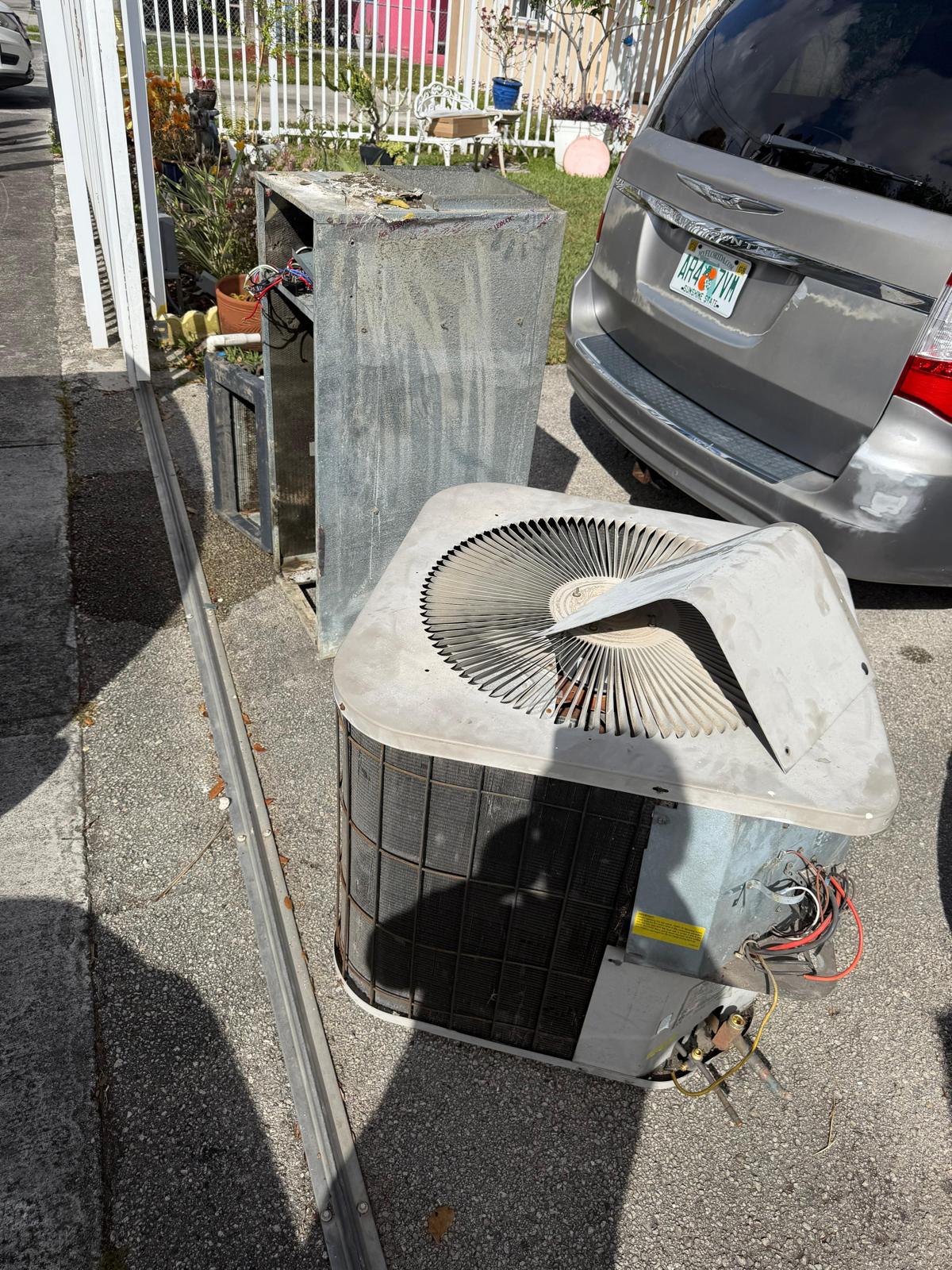
Imagine this: it’s a sweltering August afternoon in Houston. You’ve just arrived home, exhausted from navigating the Beltway 8 traffic, and all you crave is cool, quiet refuge. You flick on the AC, and instead of a gentle hum, your ears are assaulted by a rattling compressor, a whining fan, and the incessant whoosh of air moving through dusty ducts. Your aspirations for a peaceful evening in your Sugar Land home are instantly shattered. This all-too-common scenario is precisely why the quest for silent cooling isn’t just a luxury; it’s a necessity for modern comfort.
The Quest for Quiet Comfort: Why Silence Matters in Houston Homes
Houston’s climate is notoriously demanding on HVAC systems. With long, hot, and humid summers, our air conditioners work overtime to maintain comfortable indoor temperatures. While efficiency and cooling power are often top priorities, the noise level generated by these essential machines is frequently overlooked until it becomes a persistent annoyance. Studies suggest that chronic noise exposure can elevate stress levels, disrupt sleep, and even impact cognitive performance. For homeowners in bustling neighborhoods from the Energy Corridor to The Woodlands, transforming their indoor environment into a tranquil oasis means addressing the source of HVAC noise.
At Airus Air Services, we understand that a truly comfortable home extends beyond just temperature control. It encompasses the entire sensory experience, and silence plays a critical role. Advancements in HVAC technology now make it possible to achieve powerful cooling without the accompanying racket that once defined traditional systems.
Understanding HVAC Noise Sources
To appreciate silent cooling, it’s helpful to first identify where the noise typically originates. Traditional HVAC systems can produce sound from several components, both indoors and outdoors:
- Compressor: The heart of your outdoor unit, responsible for circulating refrigerant, often creates a buzzing or humming sound, especially older, single-stage models.
- Condenser Fan: The large fan blade in the outdoor unit helps dissipate heat, generating a loud whooshing or whirring noise.
- Indoor Blower Fan: Located within your furnace or air handler, this fan pushes conditioned air through your ductwork, contributing to a constant hum or fan noise.
- Ductwork: Improperly sized or installed ducts can lead to whistling, rattling, or booming sounds as air rushes through them, especially at high velocities.
- Refrigerant Lines: Occasional gurgling or hissing from refrigerant lines can also be a minor, but sometimes noticeable, noise source.
Recognizing these culprits is the first step toward understanding how advanced systems mitigate them, leading to a quieter living experience.
Advanced Technologies for Silent Cooling
Modern HVAC systems employ a suite of sophisticated technologies designed specifically to minimize operational noise while maximizing efficiency. These innovations represent a significant leap forward:
Inverter Technology and Variable-Speed Compressors
Perhaps the most impactful innovation is the variable-speed compressor, powered by inverter technology. Unlike traditional single-stage compressors that are either “on” at full power or “off,” variable-speed units can precisely modulate their output to match your home’s cooling demands. This means they run for longer periods at lower, quieter speeds, rather than constantly cycling on and off with a loud jolt. This not only reduces noise but also enhances energy efficiency, often leading to significant savings on utility bills—up to 40% in some cases compared to older fixed-speed models.
Variable-Speed Blower Motors
Similarly, indoor units equipped with variable-speed blower motors gently ramp up or down, distributing air more evenly and quietly. This eliminates the sudden blast of air and associated noise, creating a more consistent and comfortable temperature throughout your home, an often-appreciated feature in the sprawling layouts common in Pearland and Katy homes.
Advanced Sound Dampening and Insulation
Manufacturers are also incorporating superior sound-dampening materials and insulation within both indoor and outdoor units. Acoustically engineered cabinets, vibration-reducing mounts for compressors and motors, and thick insulation absorb sound waves, preventing them from propagating into your home. This can reduce outdoor unit noise levels from a typical 75-80 decibels (similar to a washing machine) down to an impressive 50-60 decibels (comparable to a quiet conversation).
Optimized Ductwork and Zoning Systems
The design and cleanliness of your ductwork play a crucial role in overall system quietness. Properly sized and sealed ducts prevent air leaks and turbulence that can create whistling or roaring sounds. For those seeking even greater control and quiet, a zoned HVAC system allows you to cool specific areas of your home independently, meaning the system doesn’t have to work as hard, and thus as loudly, to cool unoccupied spaces. Furthermore, ensuring your ductwork is free from dust and debris is vital for optimal airflow and reduced noise, a service Airus Air Services in Houston expertly provides.
Ductless Mini-Split Systems
For additions, converted spaces, or homes where ductwork isn’t feasible, ductless mini-split systems offer an exceptionally quiet cooling solution. Each indoor unit operates independently, providing precise temperature control for individual rooms, with noise levels often as low as 19-30 decibels, barely above a whisper. This makes them ideal for bedrooms or home offices where absolute silence is prized.
Choosing the Right Silent System for Your Houston Home
Selecting the ideal advanced HVAC system for quiet operation requires careful consideration of several factors. Your home’s size, construction, existing ductwork, and specific comfort needs will all influence the best choice. For a detailed assessment tailored to your Houston residence, consulting with HVAC professionals is crucial. They can evaluate your current setup, recommend suitable technologies, and ensure proper installation for optimal performance and silence. While the core principles apply universally, the specific challenges of humid coastal climates, like those faced by Airus Air Services in Los Angeles, are well understood by our experts.
Maintenance Tips for Sustained Silence
Even the quietest HVAC system benefits from regular care to maintain its hushed operation. Here are key maintenance practices:
- Regular Filter Replacement: A clogged air filter restricts airflow, forcing your blower fan to work harder and louder. Change filters monthly, especially during Houston’s peak cooling season.
- Professional Tune-Ups: Schedule annual maintenance with a trusted HVAC provider. Technicians will inspect and clean components, lubricate moving parts, check refrigerant levels, and ensure everything is operating efficiently and quietly. For thorough air system maintenance, including expert air duct cleaning in Chicago and other areas, skilled professionals are invaluable.
- Keep Outdoor Unit Clear: Ensure the outdoor condenser unit is free from leaves, debris, and overgrown vegetation. Obstructions can hinder airflow and increase operational noise.
- Duct Inspection and Cleaning: Over time, ducts can accumulate dust and develop leaks. Regular duct inspections and cleaning not only improve indoor air quality but also ensure smooth, quiet airflow. If you notice unusual noises from your vents, it’s time for an expert evaluation. Call Airus Air Services at (954) 627-1752 for professional guidance.
Frequently Asked Questions About Silent HVAC Systems
Q1: Are silent HVAC systems more expensive?
A1: Advanced, quieter HVAC systems, especially those with variable-speed technology, typically have a higher upfront cost than basic models. However, their superior energy efficiency often leads to significant savings on utility bills over their lifespan, providing a strong return on investment.
Q2: How much quieter are these advanced systems compared to older models?
A2: While exact decibel levels vary by model, advanced systems with variable-speed compressors and fans can reduce noise output by 10-20 decibels or more compared to older, single-stage units. This difference is very noticeable, transforming a loud hum into a quiet whisper.
Q3: Can my existing HVAC system be made quieter without full replacement?
A3: In some cases, yes. Addressing issues like loose panels, vibrating components, clogged filters, dirty coils, or leaky ductwork can reduce noise. Professional HVAC repair and maintenance can often mitigate some noise problems, but significant noise reduction usually requires upgrading to newer, quieter technologies.