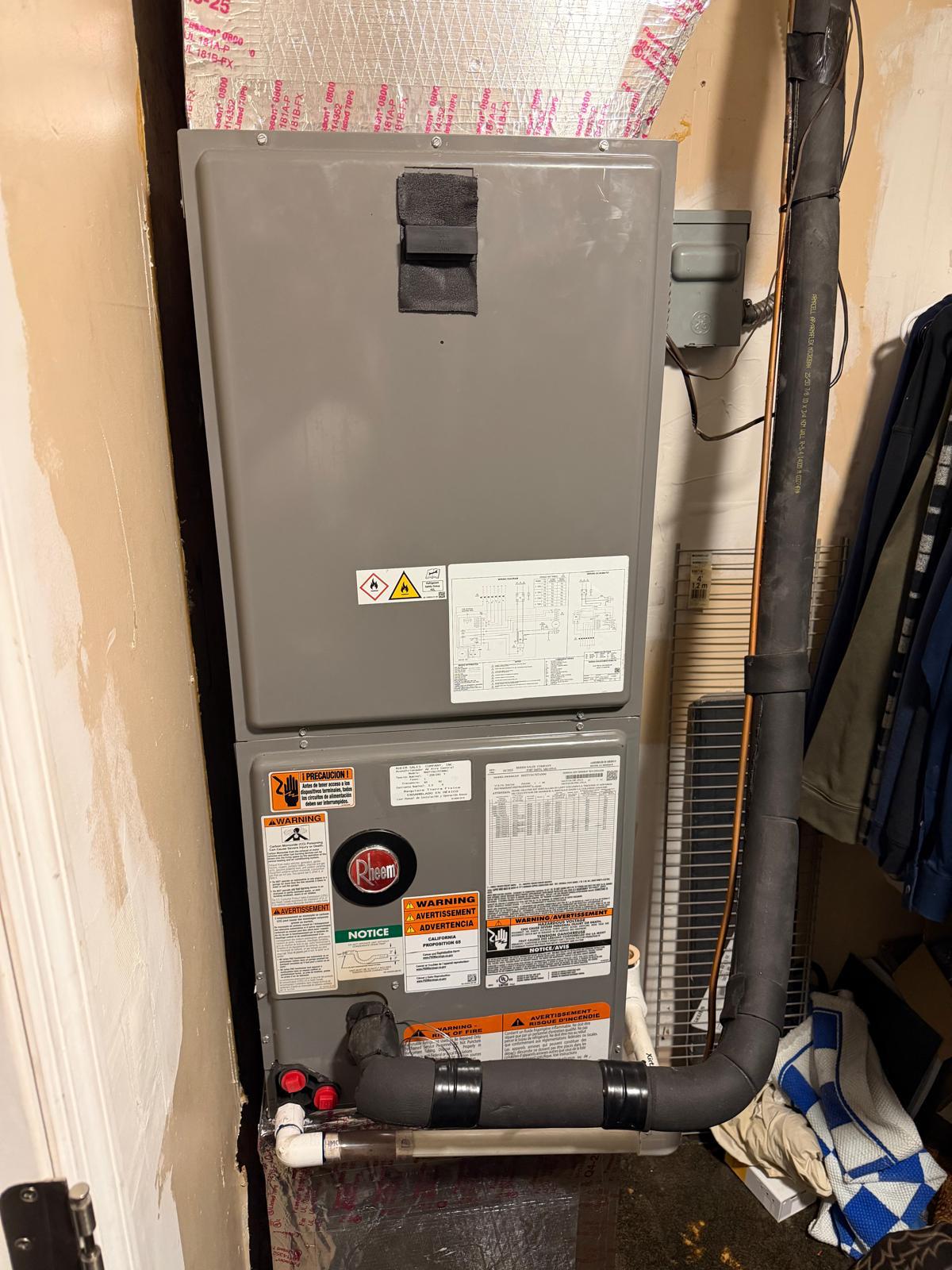
One common mistake homeowners make when their AC struggles during a scorching summer day isn’t misdiagnosing a faulty part, but overlooking the immense strain placed on the entire electrical infrastructure. You dial down the thermostat, hoping for relief, only to find your system struggling to keep up. It’s frustrating, certainly, but often the root cause extends beyond your home, reaching into the very power grid designed to keep communities cool. Here at Airus Air Services, we understand that concern – the palpable anxiety when your sanctuary from the heat begins to feel like an oven. While our dedicated HVAC technicians serve the Hollywood, FL community, the challenges faced by the power grid in a city like Houston during peak demand offer valuable lessons for any homeowner.
Houston’s Extreme Climate and the Power Grid’s Battle
Picture Houston, TX, a city known for its relentless summer heat and suffocating Gulf Coast humidity. These aren’t just uncomfortable conditions; they create an extraordinary demand on the state’s power grid, managed by ERCOT (Electric Reliability Council of Texas). As temperatures soar well into the 90s, often topping 100 degrees Fahrenheit, and humidity hovers above 80%, every home and business cranks up its air conditioning. This collective effort to stay cool pushes the grid to its limits, often reaching record-breaking electricity consumption. When the grid is strained, power quality can fluctuate, and even minor brownouts or voltage dips can impact your AC system’s performance and longevity. In essence, your AC isn’t just fighting the weather; it’s also navigating a power landscape under immense pressure.
DIY Attempts vs. The Professional Approach
The DIY Temptation and Its Pitfalls
When the heat is relentless, and your AC unit seems to be giving up, it’s natural to try a few DIY fixes. You might check your air filter (a good habit, by the way!), ensure your vents aren’t blocked, or even try resetting the circuit breaker. Some might even venture to clean the outdoor unit, hoping to clear away debris. While these steps can occasionally resolve minor issues, they rarely address underlying problems caused by prolonged grid stress or a deeper mechanical fault. Relying solely on DIY solutions can lead to missed symptoms, minor issues escalating into major breakdowns, or even inadvertently damaging delicate components. For instance, repeatedly resetting a breaker might mask an electrical problem within your unit that’s exacerbated by inconsistent power, leading to costly repairs down the line.
The Professional Difference for Sustained Comfort
This is where professional insight becomes invaluable. A certified HVAC technician from Airus Air Services, much like our team dedicated to keeping homes cool in Hollywood, FL, possesses the diagnostic tools and expertise to assess your AC system comprehensively. We don’t just look at the immediate symptom; we evaluate how your system is performing under real-world conditions, including potential impacts from power fluctuations. This involves checking refrigerant levels, inspecting electrical connections for wear caused by voltage inconsistencies, and ensuring the compressor and other vital components are operating within safe parameters. We understand that while a quick filter change might offer temporary relief, true, lasting comfort comes from a system optimized to handle high demand and external pressures. For residents in other hot climates, similar expert Airus Air Services in Houston can offer specialized advice, or even Airus Air Services in Dallas, addressing region-specific challenges.
The Real Impact of Grid Demands on Your AC System
The constant, high-stakes battle between your AC and Houston’s intense summer, coupled with a stressed power grid, takes a significant toll. Systems are forced to run longer and harder, leading to accelerated wear and tear on crucial components like compressors, fan motors, and capacitors. A recent study indicated that during peak summer months, AC units in regions like Houston can consume up to 70% of a home’s total energy, creating a feedback loop where demand strains the grid, which in turn can reduce your AC’s efficiency and lifespan. These conditions can also cause your system to consume more energy to achieve the same cooling, hiking up your utility bills and adding further strain. Furthermore, without proper maintenance, small issues like slightly undercharged refrigerant or dirty coils become exaggerated, making your system even less capable of coping with the demand.
Why Professional HVAC Care is Crucial
Even if you’re not in Houston, the principles of keeping your AC resilient apply, especially in climates like ours in Hollywood, FL. Regular, professional HVAC maintenance is your best defense. Technicians can identify potential weaknesses before they become critical failures, optimizing your system for efficiency and reliability. This preventative approach helps protect your investment, extends the lifespan of your unit, and ensures it’s ready to perform when you need it most. Our experts at Airus Air Services offer comprehensive HVAC maintenance plans in Hollywood, FL designed to keep your system robust against any challenge, whether it’s a humid South Florida afternoon or the demanding environment of a large metropolitan grid. It’s about proactive care rather than reactive, costly repairs, ensuring your peace of mind all summer long.
FAQ: Protecting Your AC in High-Demand Climates
- Q: How often should I have my AC system professionally serviced?
A: We recommend at least once a year, preferably in the spring before the peak cooling season. If you live in a particularly demanding climate or have an older system, twice a year (spring and fall) is even better. - Q: Can fluctuating power really damage my AC unit?
A: Yes, frequent voltage dips, surges, or brownouts can stress electrical components, lead to premature motor failure, and reduce the overall lifespan of your AC system. Professional surge protectors can offer some defense, but internal system checks are key. - Q: What’s the optimal thermostat setting during extreme heat?
A: For energy efficiency and to reduce grid strain, try to set your thermostat at the highest comfortable temperature, usually around 78°F. Using a programmable or smart thermostat to adjust temperatures when you’re away can also help. - Q: Is it normal for my AC to run constantly during peak heat?