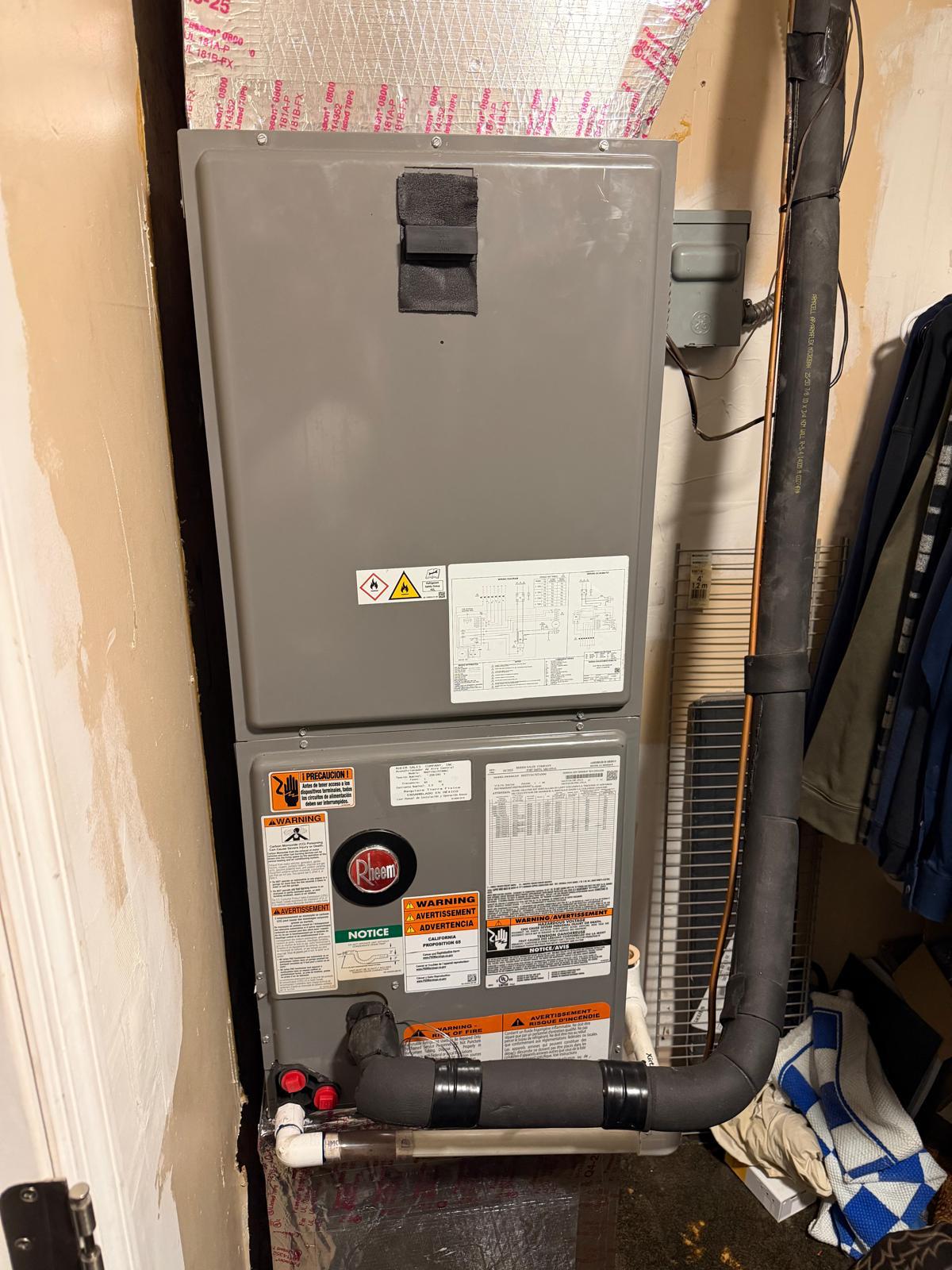
Did you know that an inefficient HVAC system can increase your energy consumption by up to 20-30% annually? In a city like Dallas, where residents heavily rely on their air conditioning for extended periods, this statistic isn’t just surprising—it’s costly. At the heart of your HVAC system’s efficiency and your home’s comfort lies a crucial component often overlooked: the blower motor. This isn’t just about moving air; it’s about the very breathable comfort of your Dallas home, from Uptown high-rises to suburban homes in Plano. When your blower motor falters, it can compromise your comfort, inflate your energy bills, and even put your entire HVAC system at risk.
The Unsung Hero: Understanding Your HVAC Blower Motor
Think of your HVAC system as the lungs of your home, and the blower motor as the diaphragm, tirelessly working to draw in and expel air. Its primary function is to circulate conditioned air—be it heated or cooled—through your home’s ductwork and into living spaces. Without a properly functioning blower motor, your heating and cooling system, no matter how powerful, is essentially rendered useless. It dictates the airflow, impacts indoor air quality, and plays a direct role in maintaining consistent temperatures, which is absolutely vital during Dallas’s notoriously hot summers and surprisingly chilly winters.
Understanding its role helps underscore why any malfunction requires immediate, professional attention. A healthy blower motor ensures your Dallas home stays comfortable, your air remains fresh, and your energy bills stay manageable.
Common Culprits: Why Blower Motors Fail in Dallas’s Climate
Dallas’s unique climate and environmental factors pose specific challenges that can accelerate wear and tear on your HVAC blower motor. The sheer demand for cooling during prolonged heatwaves, often exceeding 100 degrees Fahrenheit, means your system and its blower motor work overtime. This constant operation naturally leads to increased mechanical stress. But beyond just heavy usage, several factors contribute to motor degradation:
- Dust and Debris Accumulation: The North Texas landscape can be quite dusty. Over time, dust, pet dander, and other airborne particles can accumulate on the blower motor and fan blades, impeding their movement, causing imbalance, and leading to overheating.
- Electrical Issues: Power surges, fluctuating voltage, or worn wiring can all lead to electrical shorts or burnout within the motor, a common issue for homeowners relying on aging systems near the DFW metroplex.
- Lack of Lubrication: Many older blower motors require periodic lubrication. Neglecting this simple maintenance can cause friction, leading to premature wear of bearings and eventual motor seizure.
- Overheating: Restricted airflow due to dirty filters or blocked vents forces the motor to work harder, generating excessive heat that can damage its internal components.
- Age and Wear: Like any mechanical component, blower motors have a lifespan. Years of continuous operation will eventually lead to material fatigue and failure, especially in a city where AC runs almost year-round.
Spotting the Signals: How to Tell Your Blower Motor Needs Help
Catching blower motor problems early can save you from a complete system breakdown and costly repairs. As an HVAC expert, I can tell you that these are the most common warning signs Dallas homeowners should watch for:
No Airflow or Weak Airflow
If your HVAC unit turns on, but you feel little to no air coming from your vents, or the airflow seems significantly weaker than usual, it’s a clear indicator of a blower motor issue. This can lead to hot spots in your home during summer or cold pockets in winter, impacting comfort in areas from Fort Worth to Mesquite.
Strange Noises
A healthy blower motor operates relatively quietly. If you start hearing unusual sounds like grinding, squealing, rattling, or thumping, it often signifies worn bearings, a bent shaft, or debris caught within the blower assembly. Don’t ignore these sounds; they’re your system’s way of crying for help.
HVAC System Running Constantly or Not at All
If your unit cycles on and off rapidly (short cycling) or runs continuously without reaching the thermostat setting, the blower motor might be struggling. Conversely, if your entire system fails to activate, a completely seized motor could be the culprit.
Spike in Energy Bills