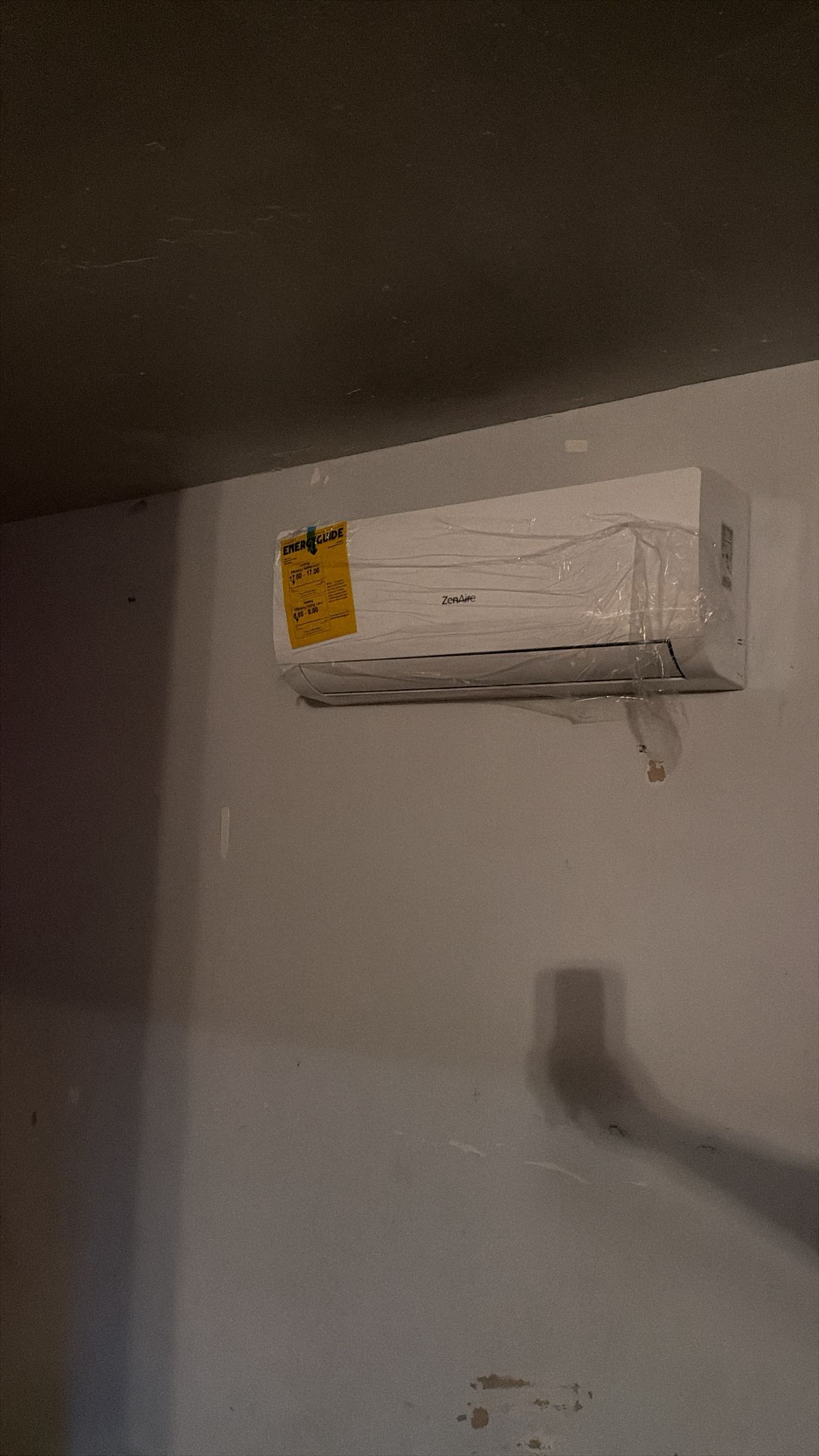
Picture this: It’s a sweltering July afternoon here in Hollywood, FL. The sun is beating down, you’ve just spent the day at the Hollywood Beach Broadwalk, and you’re craving that sweet, cool relief of your air conditioner kicking on. You flip the switch, eagerly awaiting the gentle hum of cool air. Instead, you hear a faint gurgling sound. Then, a drip. And another. Soon, a small puddle begins to form near your indoor AC unit, rapidly growing larger. Panic sets in. This isn’t just an inconvenience; it’s the tell-tale sign of a much bigger, and potentially much more damaging, problem: a clogged condensate drain line.
This scenario might seem a bit dramatic, but honestly, it’s a reality many homeowners in our humid South Florida climate face. Ignoring that little drip can quickly escalate into a costly disaster, affecting your home’s structure, your indoor air quality, and even the efficiency of your entire HVAC system. Fortunately, understanding the risks and taking simple preventative steps can save you a world of headache, not to mention significant repair bills. Here at Airus Air Services, we see these issues regularly and want to equip you with the knowledge to avoid them.
The Silent Threat Lurking in Your AC System
Your air conditioner isn’t just about cooling the air; it’s also a powerful dehumidifier. As your AC works tirelessly to battle the South Florida humidity, it extracts moisture from the air. This collected moisture, or condensate, needs somewhere to go. It’s channeled through a series of pipes, ultimately exiting your home, usually outdoors or into a dedicated plumbing line. The condensate drain line is the crucial pathway for this water. When it becomes clogged, that water has nowhere to escape.
Think of it like a clogged sink drain in your kitchen. If water can’t get through, it backs up. The same principle applies to your AC. This backup is the breeding ground for several serious problems that can affect your Hollywood home.
The Damaging Cascade: What Happens When the Drain Line Clogs
When that condensate drain line gets blocked, the water it’s supposed to carry away starts to accumulate. This seemingly small issue can trigger a domino effect of unwelcome consequences. Let’s break down the comparison between a healthy, clear drain line and a clogged one:
1. Water Damage and Mold Growth: The Unwanted Guests
- Clear Drain Line: Moisture is efficiently removed from your home, contributing to a dry and healthy indoor environment. No standing water means no opportunity for mold or mildew to take root.
- Clogged Drain Line: Water begins to back up. This can lead to puddles forming around your indoor air handler unit, often in attics, closets, or crawl spaces – areas that are typically dark, damp, and poorly ventilated. This excess moisture is an absolute paradise for mold and mildew. In the humid Florida air, mold can spread rapidly, causing musty odors, exacerbating allergies, and even leading to respiratory issues. This can spread to drywall, insulation, and flooring, causing significant and costly structural damage.
The statistics are concerning: the EPA estimates that mold can spread to unseen areas and begin to cause property damage in as little as 24 to 48 hours after water intrusion. For a coastal city like Hollywood, FL, with its inherent humidity, this timeframe can feel even shorter.
2. AC System Malfunctions and Damage: The Internal Turmoil
- Clear Drain Line: Your AC system operates smoothly, efficiently removing heat and humidity without undue stress on its components.
- Clogged Drain Line: As water backs up, it can reach critical AC components. The most immediate threat is to the blower motor and other electrical parts located near the air handler. Constant exposure to moisture can lead to corrosion, short circuits, and ultimately, component failure. In many systems, a safety float switch is installed. This switch is designed to shut off the AC if water levels get too high in the drain pan, preventing overflow. While this is a crucial safety feature, it means your AC will stop cooling, leaving you without comfort and potentially without realizing the underlying cause until the problem becomes more significant.
Consider the cost of replacing a blower motor or other electrical components. It’s a significant expense that could have been avoided with proper maintenance. For HVAC professionals, recognizing the signs of a water-logged unit is part of a thorough diagnostic process, much like how specialists at Airus Air Services in Los Angeles might assess a system’s overall health during an air duct cleaning appointment.
3. Reduced Energy Efficiency: The Leaky Wallet Effect
- Clear Drain Line: Your AC can perform its cooling and dehumidifying duties effectively and efficiently, leading to lower energy bills.
- Clogged Drain Line: When your AC struggles due to waterlogged components or the system constantly cycling off due to the safety switch, it has to work harder to achieve the desired temperature. This increased workload translates directly to higher energy consumption. What’s worse, if the blockage isn’t addressed promptly, the longer-term damage can lead to your system never truly operating at peak efficiency again, even after the initial clog is cleared.
In Florida, where air conditioning is practically a necessity for 8-9 months of the year, even a slight decrease in efficiency can add up to hundreds of dollars on your annual energy bills. A properly functioning drain line is an unsung hero of energy conservation in your home.
4. Pest Infestations: The Uninvited Guests Bring Friends
- Clear Drain Line: Water is consistently moved away from your home, eliminating a potential attractant for pests.
- Clogged Drain Line: Standing water and dampness are a magnet for a variety of household pests. Mosquitoes, ants, roaches, and even rodents can be attracted to the moisture and potential food sources (like mold and mildew) that accumulate around a blocked drain. This can lead to a secondary problem of pest control, adding another layer of stress and expense to your life.
This is a particular concern in warmer climates like Hollywood, where pest populations are generally higher. A well-maintained AC system, with a clear condensate line, helps prevent creating an environment that pests find inviting.
Common Culprits Behind a Clogged Condensate Drain Line
So, what exactly causes this vital line to become blocked? It’s usually a combination of factors, often related to the buildup of materials over time:
- Algae and Slime Buildup: This is perhaps the most common culprit. The moist, dark environment inside your AC system is perfect for the growth of algae and slime, especially in humid climates like ours.
- Dirt and Debris: Airborne dust, pollen, and other microscopic particles can get pulled into your AC system. Over time, these can accumulate in the drain pan and the drain line itself.
- Mold Spores: As mentioned, mold can thrive in these conditions and contribute to blockages.
- Insects and Nests: Small insects can occasionally get into the drain line and their debris, or even small nests, can create obstructions.
- Improper Installation or Pitch: If the drain line wasn’t installed with the correct downward slope, water can pool in low spots, making it more susceptible to clogs.
Regular professional HVAC maintenance is key to identifying and addressing these potential issues before they lead to a full-blown clog. It’s a proactive approach that our team at Airus Air Services champions. Just like ensuring optimal air flow is critical for an HVAC system, as it is for Airus Air Services in Phoenix when they address ductwork, maintaining clear pathways for all essential functions is paramount.
Prevention is Key: Keeping Your Hollywood Home Dry and Cool
The good news is that preventing a clogged condensate drain line is achievable with regular attention and professional care. Here’s what you can do:
Regular Professional HVAC Tune-Ups
This is your first and most important line of defense. Schedule professional HVAC maintenance at least once a year, ideally before the peak cooling season begins. During these tune-ups, our technicians will:
- Inspect and clean the condensate drain pan to remove any standing water, algae, or debris.
- Check the condensate drain line for any blockages and clear them using specialized tools or flushing agents.
- Ensure the drain line has proper slope and is securely connected.
- Replace or clean air filters, which significantly reduces the amount of dust and debris entering the system.
- Perform a comprehensive inspection of your entire HVAC system to identify any potential issues before they become major problems.
Think of it as a doctor’s visit for your AC. Catching small problems early can prevent major illnesses (and expenses!). Many homeowners in neighborhoods like Emerald Hills or Lakes of Emerald Hills rely on Airus Air Services for these crucial preventative services. You can reach us at (954) 627-1752 to schedule your next appointment.
DIY Maintenance: What You Can Do Between Professional Visits
While professional tune-ups are essential, there are a few things you can do yourself to help keep your drain line clear:
- Change Your Air Filter Regularly: This is one of the simplest yet most impactful tasks you can perform. A clogged air filter forces your AC to work harder and allows more dust and debris to bypass it and enter the system. Check your filter monthly and replace it when it looks dirty, or according to the manufacturer’s recommendation (typically every 1-3 months).
- Pour a Cup of Vinegar Down the Drain Line (Periodically): Once a quarter, you can pour about a cup of distilled white vinegar down the condensate drain line. This can help to kill algae and prevent slime buildup. *Important Note:* Some HVAC professionals recommend using a specially formulated AC coil cleaner or a hydrogen peroxide solution for this. If you’re unsure, always consult with your HVAC technician. If you notice a gurgling sound or suspect a blockage, avoid this and call for professional help immediately.
- Check the Exterior Drain Line Outlet: Occasionally, visually inspect the point where your condensate drain line exits your home. Ensure it’s not blocked by leaves, dirt, or debris that could be causing a backup.
These DIY steps are helpful, but they should not replace professional HVAC maintenance. For instance, while our team might discuss air quality improvements related to HVAC systems, similar to how Airus Air Services in San Antonio handles intricate duct cleaning tasks, the condensate line requires specialized attention.
Frequently Asked Questions About Condensate Drain Lines
We understand that AC systems can seem complex, so here are some answers to common questions we receive from our Hollywood, FL neighbors:
Q1: How often should I have my condensate drain line inspected?
A: We recommend having your condensate drain line inspected as part of your annual HVAC maintenance. If you live in an extremely humid climate or have experienced issues in the past, more frequent inspections might be beneficial.
Q2: What are the signs that my condensate drain line might be clogged?
A: Common signs include water pooling around your indoor AC unit, musty or moldy odors, your AC not cooling effectively, or the unit shutting off unexpectedly. You might also hear gurgling sounds from the unit.
Q3: Can I clear a clogged condensate drain line myself?
A: For minor clogs, you might be able to use a wet/dry vacuum at the exterior outlet of the drain line or try flushing it with vinegar or a specialized cleaner. However, if the clog is severe or you’re unsure, it’s always best to call a professional. Improper attempts can sometimes push the clog further in or damage the line.
Q4: How much does it cost to clear a clogged condensate drain line?
A: The cost can vary depending on the severity of the clog and the location of your indoor unit. It’s typically a relatively minor repair if addressed promptly. However, if the clog has led to secondary damage like water damage or component failure, the costs can escalate significantly.
Q5: Does my homeowner’s insurance cover damage from a clogged drain line?
A: This depends entirely on your specific insurance policy and the circumstances. Most policies cover accidental water damage, but they often exclude damage resulting from a lack of maintenance. It’s always best to review your policy or speak with your insurance provider.
Q6: My AC is blowing warm air and I see water on the floor. What should I do?
A: First, turn off your AC unit at the thermostat and the breaker switch to prevent further damage. Then, call Airus Air Services immediately at (954) 627-1752. We can dispatch a technician to diagnose the problem and get your system back up and running.
Don’t Let a Clogged Drain Line Ruin Your Hollywood Home!
A clogged condensate drain line might seem like a minor issue, but as we’ve discussed, it can lead to significant water damage, mold growth, costly HVAC repairs, and reduced energy efficiency right here in our beautiful Hollywood, FL community. The constant humidity here makes our AC systems work overtime, and proper maintenance is not just a suggestion – it’s a necessity for preventing these hidden dangers.
At Airus Air Services, we are dedicated to keeping your home comfortable and your HVAC system running smoothly. Don’t wait until you see that puddle forming! Regular professional maintenance is the most effective way to prevent these problems and protect your investment. If you suspect your condensate drain line might be clogged, or if it’s simply time for your annual check-up, give us a call today. Our friendly, experienced technicians are ready to help.
Call Airus Air Services now at (954) 627-1752 to schedule your HVAC maintenance and ensure your home stays cool, dry, and protected all year round!