Most South Florida homeowners never look inside their air ducts. If you’ve lived in your Miramar home for more than 5 years without a duct cleaning, what’s in there might surprise — or disturb — you.
This post documents an actual air duct cleaning job we performed in Miramar, FL, with real before-and-after photos and a video walkthrough. We’ll also explain why South Florida homes need duct cleaning more often than homes in other parts of the country, and what the process actually involves.
Why South Florida Ducts Get Dirty Faster
Florida’s climate creates conditions that accelerate duct contamination faster than almost anywhere else in the U.S.:
- Year-round AC use: Unlike northern states where AC runs 3-4 months, South Florida ACs run 10-12 months a year. More airflow means more debris accumulation
- High humidity: Moisture in the duct system promotes mold and mildew growth, especially in flex duct insulation
- Open windows and construction dust: Miramar and Broward County saw significant construction through the 2010s and 2020s — fine construction dust is a major duct contaminant
- Pet dander: In Florida homes where pets live indoors year-round, dander accumulates rapidly in ductwork
- Older flex duct: Homes built in the 1980s-2000s with degrading flex duct have internal liner breakdown that sheds particles into the airstream
What We Found: Before the Cleaning
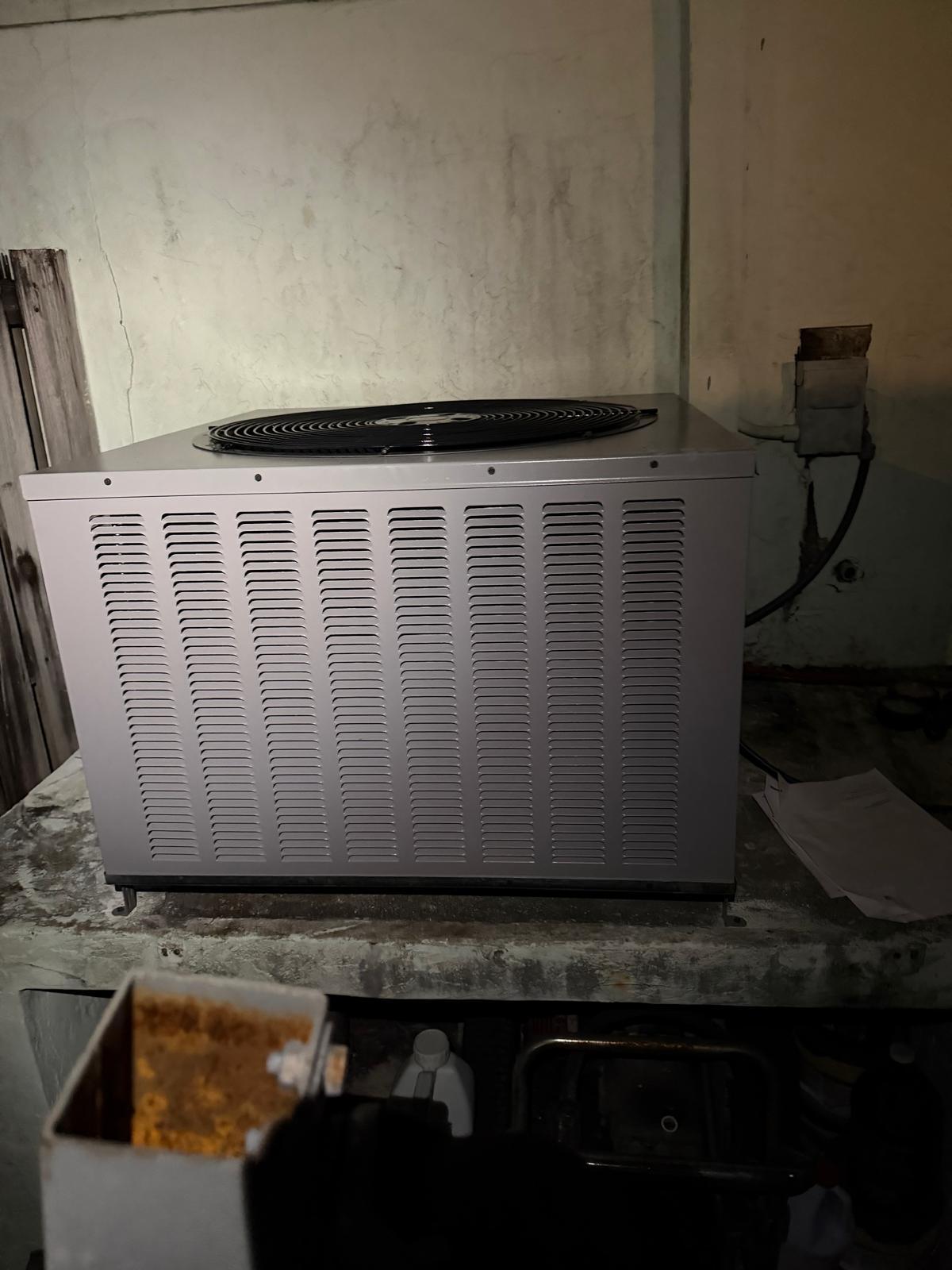
The Miramar home in this case study was a 2,200 sq ft home built in 1994. The homeowner had never had the ducts cleaned. The system was a Rheem central air setup — well-maintained mechanically, but the ductwork had never been touched.
Our technician used a duct inspection camera to document conditions before starting. What we found:
- Approximately 3-4 inches of compressed dust and debris in the main supply trunk line
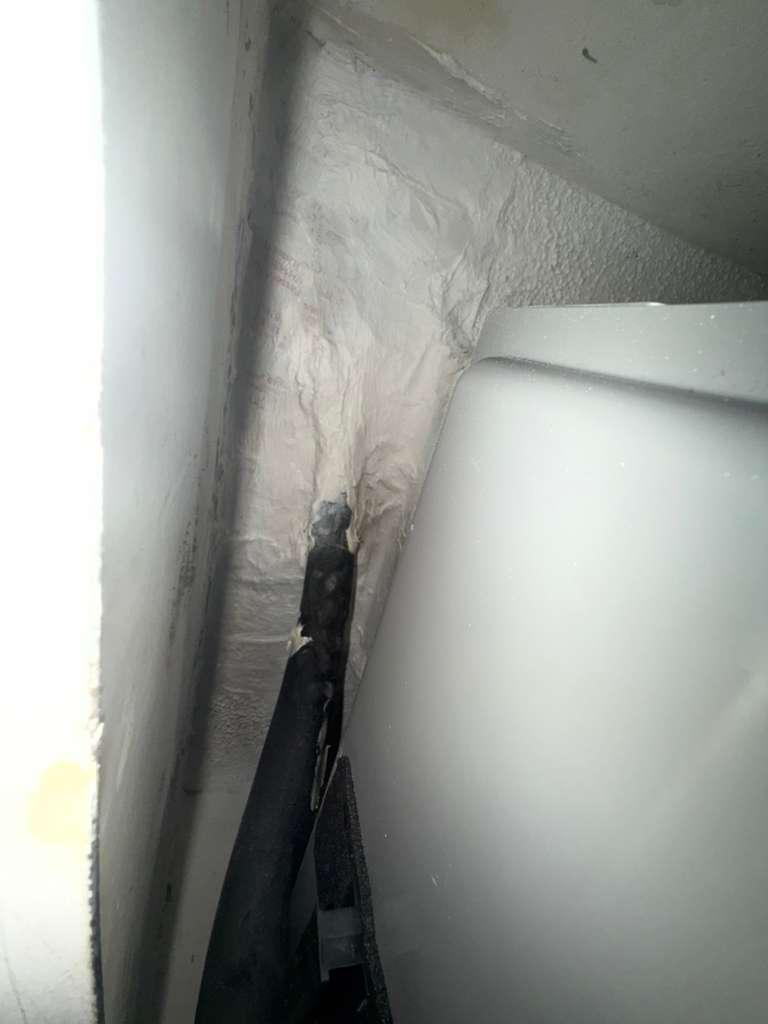
- Visible mold growth in two flexible duct runs near the air handler (a common issue when condensation forms)
- A bird nest in the return air plenum — the return duct had a gap where it connected to the attic
- Significant pet hair accumulation at all supply registers
The homeowner’s immediate concern was resolved: they had been experiencing unexplained allergy symptoms despite regular filter changes. The mold in the duct system was circulating spores throughout the home every time the AC ran.
The Duct Cleaning Process: Step by Step
Step 1: System Inspection and Documentation
Before touching anything, we document with photos and video. This protects the homeowner (you can see exactly what we found) and helps us plan the most effective cleaning approach.
Step 2: Set Up Negative Pressure
We connect a HEPA-filtered vacuum system to the main trunk line, creating negative pressure in the duct system. This ensures that loosened debris is pulled into the vacuum rather than blown into your living space. This is the single most important step — cleaning without negative pressure just redistributes debris.
Step 3: Mechanical Agitation
Using rotating brush systems and compressed air whips, we agitate and break loose debris from all duct surfaces — main trunk lines, supply runs, and return air plenums. In older flex duct systems like the Miramar home, we use gentler agitation to avoid damaging already-degraded liner material.
Step 4: Register Cleaning
All supply and return registers are removed, cleaned, and replaced. The register boxes themselves are vacuumed and wiped down.
Step 5: Sanitization (When Needed)
If mold is present (as it was in this Miramar home), we apply an EPA-registered antimicrobial treatment to the duct interior after cleaning. This eliminates remaining mold spores and leaves a protective coating that inhibits future growth.
Step 6: Post-Cleaning Inspection and Documentation
After cleaning, we run the camera through the ducts again to document the before/after condition and confirm no debris remains.
After the Cleaning: What Changed
The homeowner reported immediate improvement in air quality within 24 hours. Measured results: If you’re also looking for air duct cleaning help, best air duct cleaning in Los Angeles is a trusted provider.
- Airflow at registers increased by approximately 20% (measured with anemometer before and after)
- System runtime decreased — the cleaner airflow meant the AC reached temperature setpoints faster
- Allergy symptoms resolved within 1 week
- Energy bill for the following month was $47 lower than the same month the previous year
How Often Should Miramar Homeowners Clean Their Ducts?
The National Air Duct Cleaners Association (NADCA) recommends cleaning every 3-5 years. For South Florida homes, we recommend:
- Every 3 years if you have pets, allergies, or anyone in the home with respiratory conditions
- Every 3-5 years for standard homes with regular filter changes
- After any renovation — drywall dust, fiberglass insulation particles, and construction debris contaminate duct systems severely
- Immediately if you see visible mold at registers, smell musty odors when the AC runs, or notice unexplained allergy symptoms
Ductwork Repair: When Cleaning Is Not Enough
The Miramar home in this case also had a gap in the return air plenum where the nest was found. That gap had to be sealed before the cleaning would do any long-term good — unsealed returns draw in unconditioned attic air, humidity, and debris continuously.
If your ductwork inspection reveals gaps, disconnected joints, collapsed flex duct, or significant leakage, ductwork repair or replacement is the right solution. Learn more about our ductwork repair in Miramar, FL and AC repair services in Miramar.
Schedule Your Duct Cleaning in South Florida
Airus Air Services provides professional air duct cleaning across South Florida — Miramar, Hollywood, Miami, Fort Lauderdale, and 50+ cities in Broward and Miami-Dade counties.
Our duct cleaning service includes:
- Pre-cleaning camera inspection with photos and video
- HEPA-filtered vacuum system for negative pressure cleaning
- Mechanical agitation of all supply and return lines
- Register cleaning and replacement
- Antimicrobial treatment (when mold is present)
- Post-cleaning documentation
Call (954) 627-1752 to schedule. Free assessment of your duct system condition before we start any work.