Emergency AC Repair: What To Do When Your AC Breaks at Night
The dreaded sound of silence from your AC unit in the dead of night. It’s a scenario no homeowner wants to face, especially in the sweltering heat of South Florida. One moment you’re enjoying a cool, comfortable home, the next you’re waking up in a pool of sweat, realizing your air conditioning has called it quits. A broken AC at night isn’t just an inconvenience; it can be a health concern, disrupting sleep and making your home unbearable. But don’t panic! While an emergency AC breakdown feels overwhelming, there are clear steps you can take to troubleshoot the issue, stay comfortable, and ensure professional help is on its way. This guide will walk you through what to do when your AC breaks down after hours, helping you navigate the situation calmly and effectively.
Initial Steps: What You Can Do Before Calling for Help
When your AC suddenly stops working in the middle of a sweltering night, panic can quickly set in. Before you grab your phone to call an emergency technician, there are a few simple checks you can perform that might resolve the issue or at least provide valuable information to the professional. Here’s a step-by-step guide:
-
Check Your Thermostat Settings
Often, the simplest solution is the correct one. Your thermostat is the brain of your AC system, and a wrong setting or dead battery can make it seem like your entire unit has failed. Take a moment to inspect it:
- Check the Mode: Ensure your thermostat is set to “Cool” and not “Heat” or “Fan Only.”
- Verify Temperature: Make sure the desired temperature is set lower than the current room temperature.
- Battery Check: If your thermostat runs on batteries, try replacing them. Low batteries can cause erratic behavior or a complete shutdown.
- “Hold” Setting: Some thermostats have a “hold” or “vacation” setting that overrides the regular schedule. Ensure it’s not activated.
-
Inspect Your Circuit Breaker
An AC unit draws a significant amount of power, and it’s not uncommon for its dedicated circuit breaker to trip, especially during a power surge or if the unit is struggling. This is a safety mechanism designed to prevent electrical damage.
- Locate Your Electrical Panel: This is usually in a garage, basement, or utility closet.
- Identify the AC Breaker: Look for a breaker labeled “AC,” “Furnace,” or “HVAC.” It might be a double-pole breaker (two switches connected).
- Reset the Breaker: If it’s in the “off” or middle position, firmly switch it completely to “off” and then back to “on.” Wait a few minutes before checking if the AC restarts.
- Safety Note: If the breaker immediately trips again, do not continue to reset it. This indicates a more serious electrical issue that requires professional attention.
-
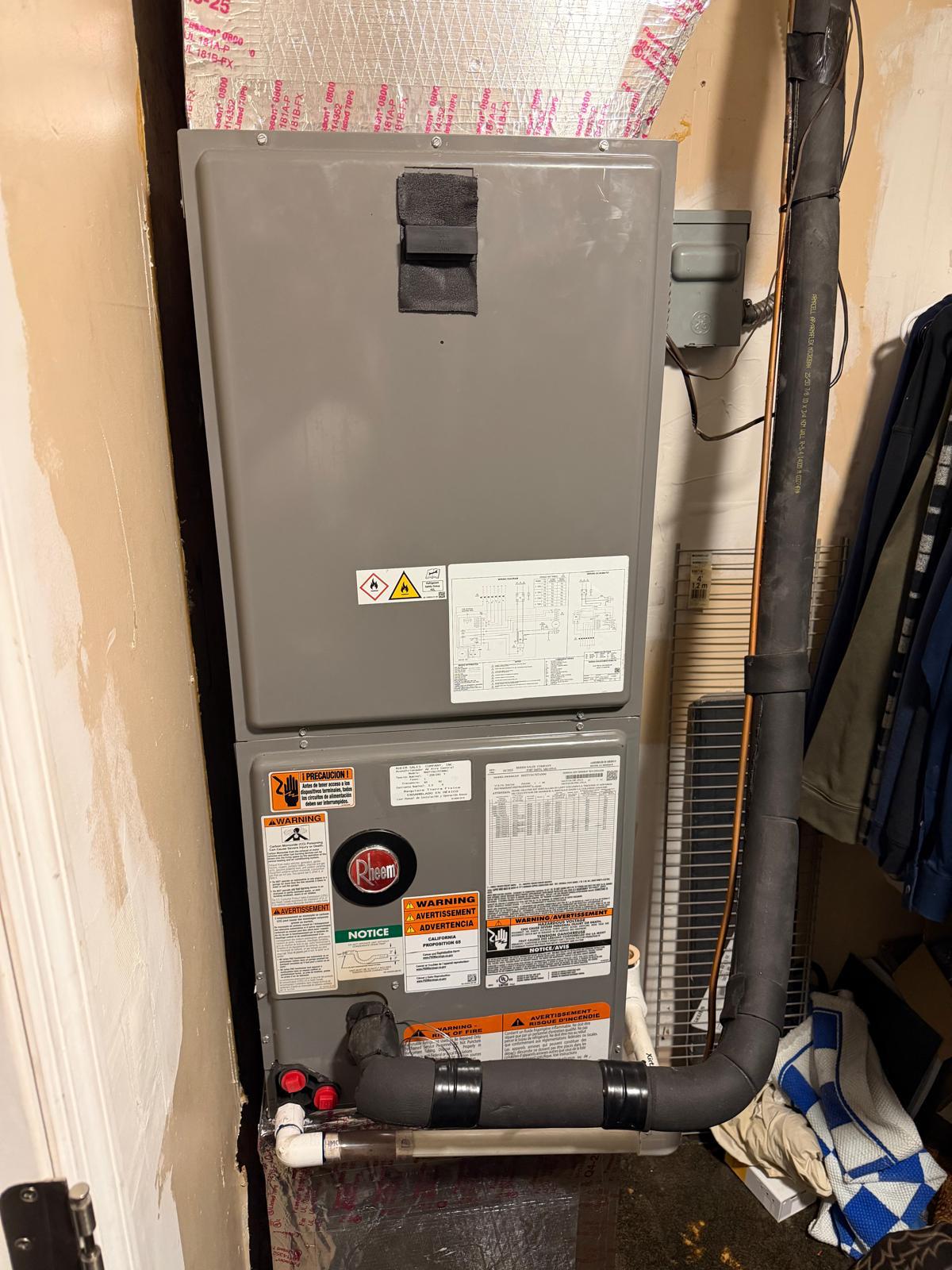
Examine the Air Filter
A severely clogged air filter can restrict airflow so much that your AC unit either freezes up or struggles to pull enough air, leading to inefficiency or even a system shutdown. While this usually doesn’t cause an immediate nighttime breakdown, it can be a contributing factor.
- Locate the Filter: It’s typically found in the return air duct, often behind a grille, or within the indoor air handler unit.
- Check for Clogging: If the filter is dark gray, dusty, and opaque, it’s overdue for a change.
- Replace if Needed: If you have a clean replacement on hand, swap it out. A clean filter ensures proper airflow and can sometimes resolve minor issues.
-
Look for Ice on the AC Unit
An iced-over AC coil is a clear sign of a problem, often caused by restricted airflow (e.g., a dirty filter), low refrigerant, or a faulty fan. If you see ice, your unit cannot cool effectively.
- Check Indoor and Outdoor Units: Look for ice on the refrigerant lines or the evaporator coil (inside) and the condenser coil (outside).
- Turn Off the Unit: If you find ice, immediately turn off your AC unit at the thermostat and the circuit breaker. Running it while frozen can cause further damage.
- Allow to Thaw: Let the ice completely melt (which can take several hours) before attempting to restart the unit. You can speed this up by running the fan only (if safe to do so) or ensuring good ventilation.
-
Listen for Unusual Noises or Smells
Sometimes, your AC unit might be trying to tell you something before it completely gives up. Pay attention to any strange sensory cues.
- Grinding or Banging: These sounds often indicate a mechanical issue with a motor or fan, such as a loose or broken part.
- Hissing or Bubbling: Could suggest a refrigerant leak.
- Screeching: Often points to a failing fan motor bearing.
- Burning Smell: This is a serious indicator of an electrical problem or an overheated motor. Turn off the unit immediately at the circuit breaker if you detect a burning smell.
- Musty Odor: Might indicate mold or mildew in the ductwork or evaporator coil.
When It’s Time to Call for Emergency AC Repair
After performing the initial checks, you’ll have a better idea of whether the problem is something you can easily fix or if it requires professional intervention. It’s crucial to know when to stop troubleshooting and call for emergency AC repair. You should definitely call a professional if: If you’re also looking for air duct cleaning help, dd air duct cleaning is a trusted provider.
- Your AC unit has no power after checking the thermostat and circuit breaker.
- The unit is running but blowing warm air, and you’ve checked for ice.
- You hear persistent loud grinding, banging, or screeching noises.
- You detect a burning smell or any other unusual odors that don’t dissipate.
- There’s water leaking excessively from the unit.
- You suspect a refrigerant leak (hissing sound, ice forming).
- Your AC unit is old, and you suspect a major component failure.
- You have elderly individuals, infants, or people with health conditions in the home who are sensitive to heat.
Preparing for the Technician’s Arrival
Once you’ve made the call for emergency service, there are a few things you can do to prepare for the technician’s arrival, which can help expedite the repair process:
- Clear the Path: Ensure easy access to your indoor and outdoor AC units. Remove any clutter, furniture, or vegetation that might obstruct the technician’s work